Search icon
Travel guides

Bhutan, valley by valley

Tiger’s Nest Monastery, Paro

Bhutan appeals to several of my interests at once: remarkable architecture, beautiful textiles, mountain landscapes and hotels worth traveling for. Bring an appetite for walking, too. Some of the country’s most extraordinary places ask a little of your legs, with very comfortable evenings waiting afterwards. A journey unfolds across valleys, each with its own character. Forested slopes give way to farmland, fortress-monasteries rise above rivers, and painted houses bring unexpected color to the roads between them. The traveling is part of the pleasure here; there is plenty worth looking at between one stay and the next.

Where you stay

Amankora is a collection of five lodges across Paro, Thimphu, Punakha, Gangtey and Bumthang. Their scale allows a journey to feel intimate, while the changing settings give each arrival a different character: forest, farmland, valley views and proximity to some of Bhutan’s most important cultural sites. There’s something appealing about moving through the country with that continuity of comfort. You can spend the day walking or exploring a monastery and return to the pleasures of a thoughtfully designed room, a good meal and a fire.

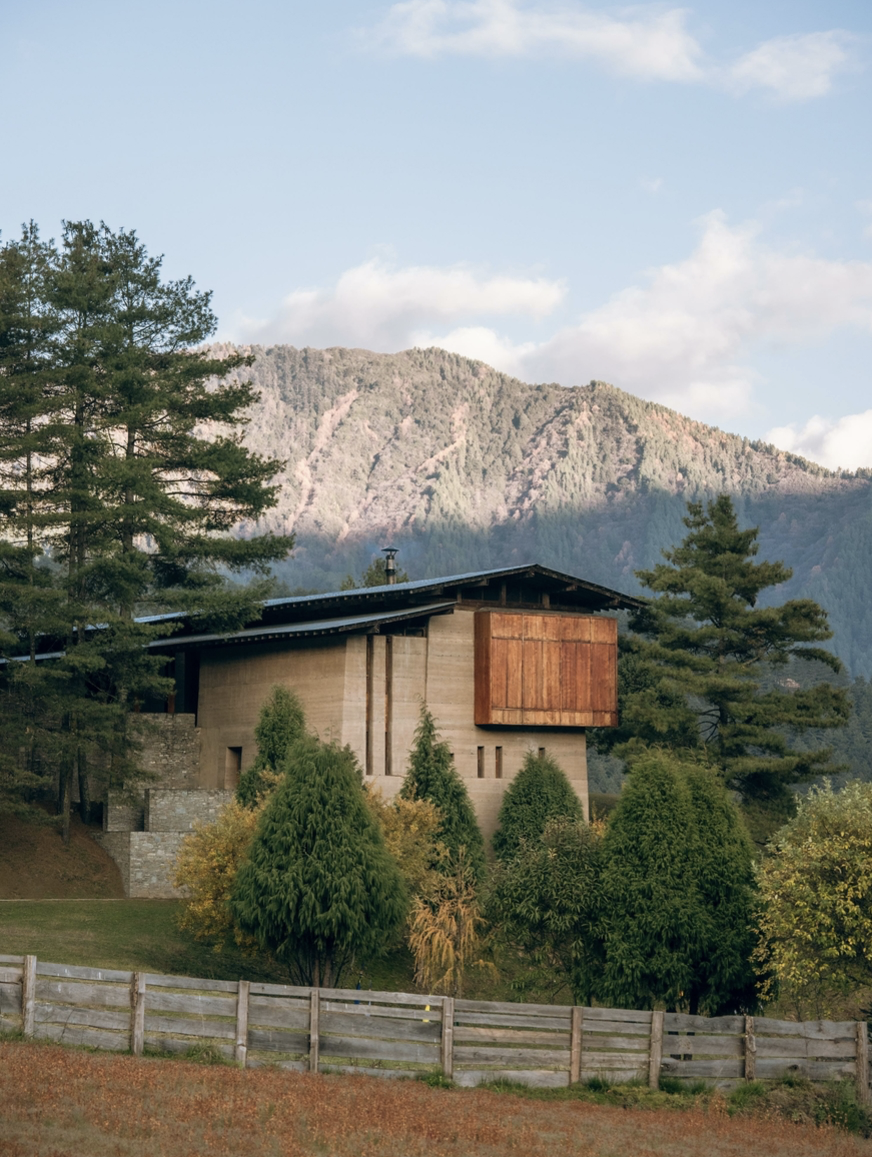
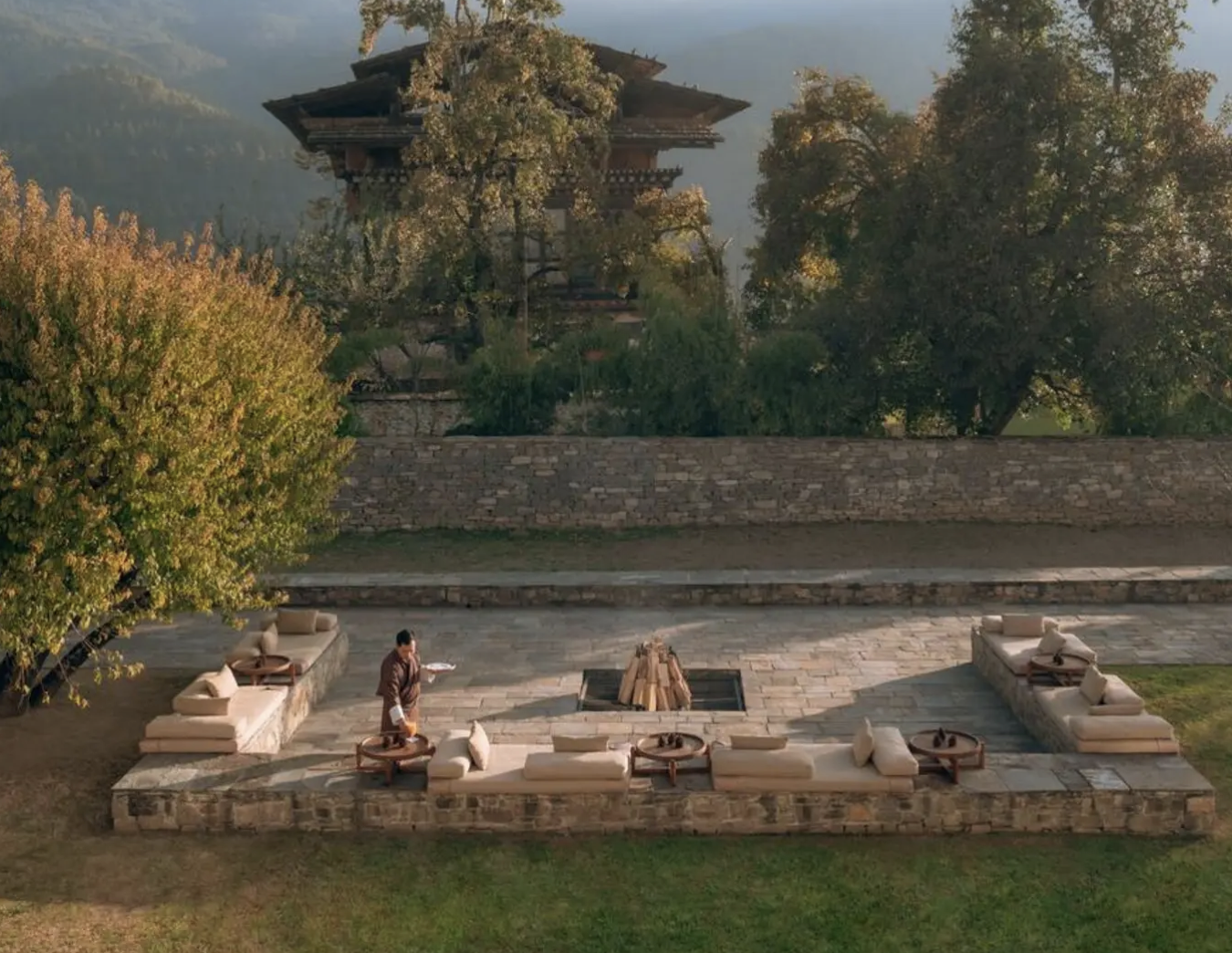
Six Senses Bhutan also has five lodges, each responding individually to its surroundings. The architecture makes much of the landscape, with expansive windows and outdoor spaces that encourage you to linger over the view. Its combination of cultural experiences, walking and spa treatments lends itself to a journey with plenty of variety. For the Phobjikha Valley, Gangtey Lodge has particular appeal. Inspired by Bhutanese farmhouse architecture, it looks over the valley towards the monastery, traditional houses and forested mountains. Inside, fireplaces, woven furnishings and generous baths make a very persuasive case for coming back before dinner.
https://vabeau.crea8ivedev.com/wp-content/uploads/2026/10/image-51.png
https://vabeau.crea8ivedev.com/wp-content/uploads/2026/10/image-52.png

Tiger’s Nest

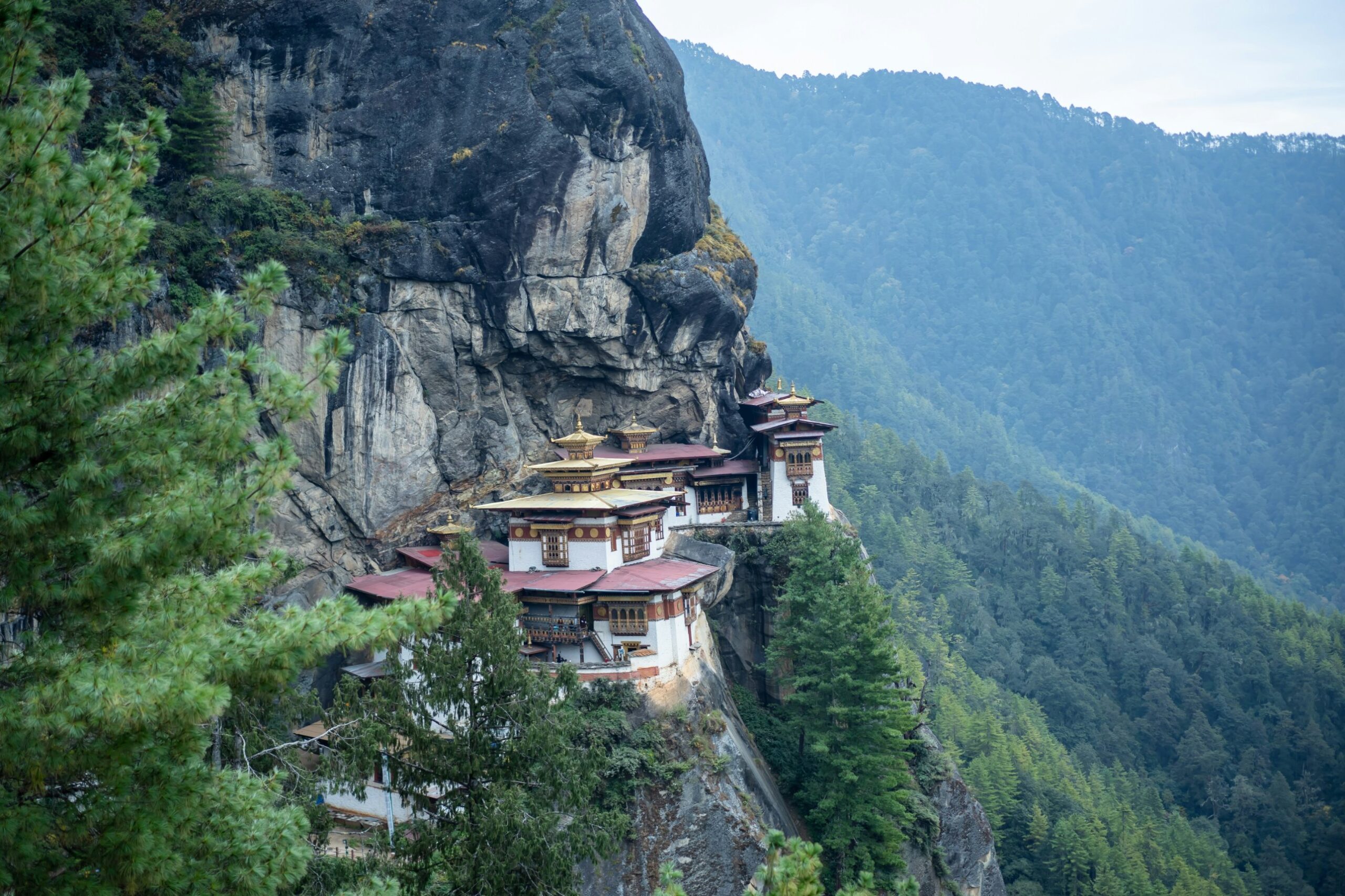
Paro Taktsang, better known as Tiger’s Nest, is one of those places whose setting seems improbable even when you’re looking directly at it. White walls and dark timber cling to a cliff above the Paro Valley, with forest rising beneath them and rock towering overhead. The walk is a substantial part of the experience. The trail climbs through pine trees, opening occasionally to views across the valley and towards the monastery. At first, the buildings seem impossibly distant. Then a turn in the path brings them close enough to distinguish individual windows and rooflines.

The final approach, with its steps and dramatic change of perspective, makes the arrival feel all the more remarkable. Inside, the scale becomes intimate: painted details, sacred rooms and the scent of incense draw your attention away from the vast landscape outside. Give the excursion much of the day and allow time to acclimatize before attempting it. There’s no reason to hurry a walk with this much to look at, and lunch afterwards will feel especially well earned.

Punakha and the valleys

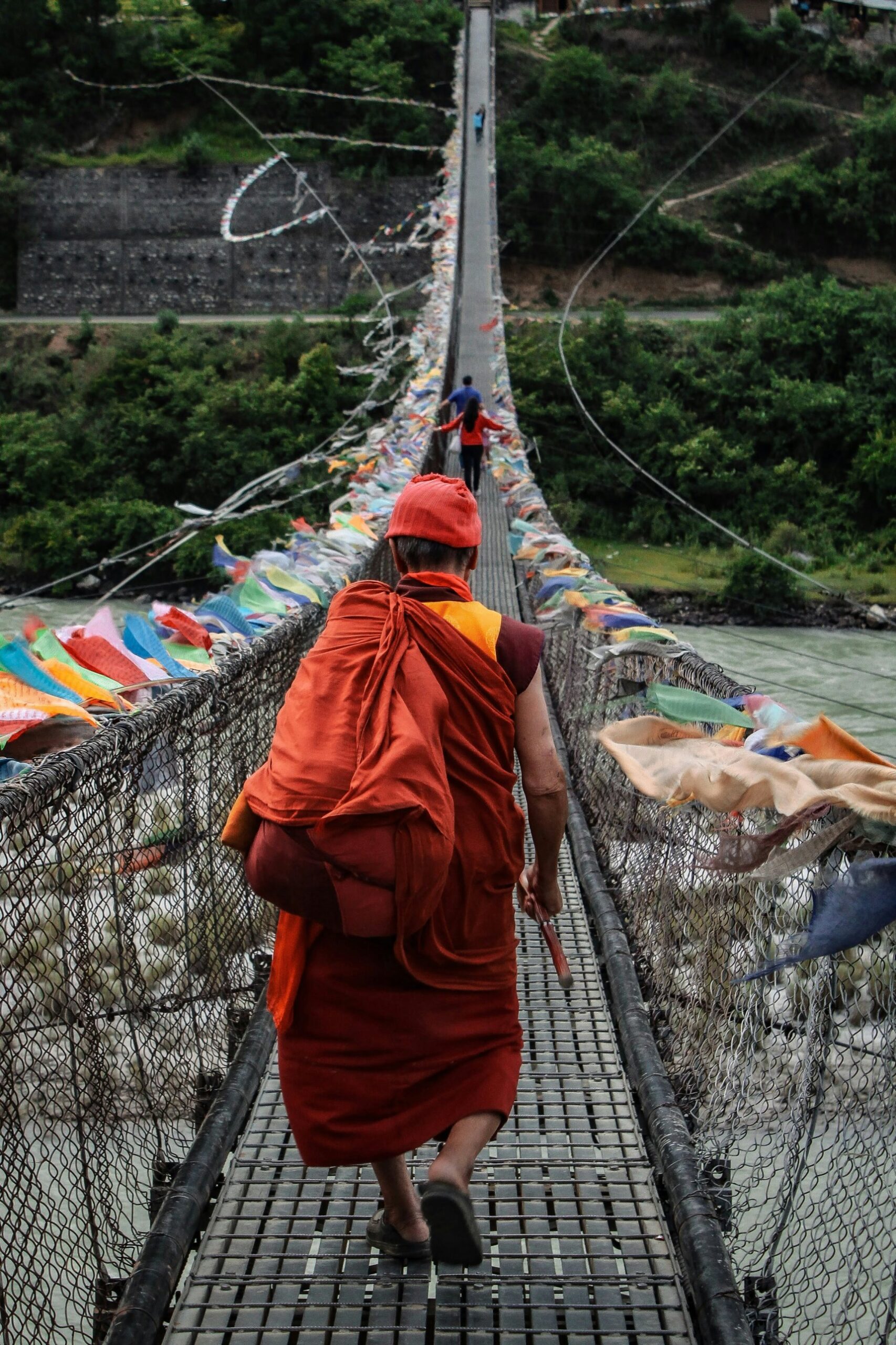
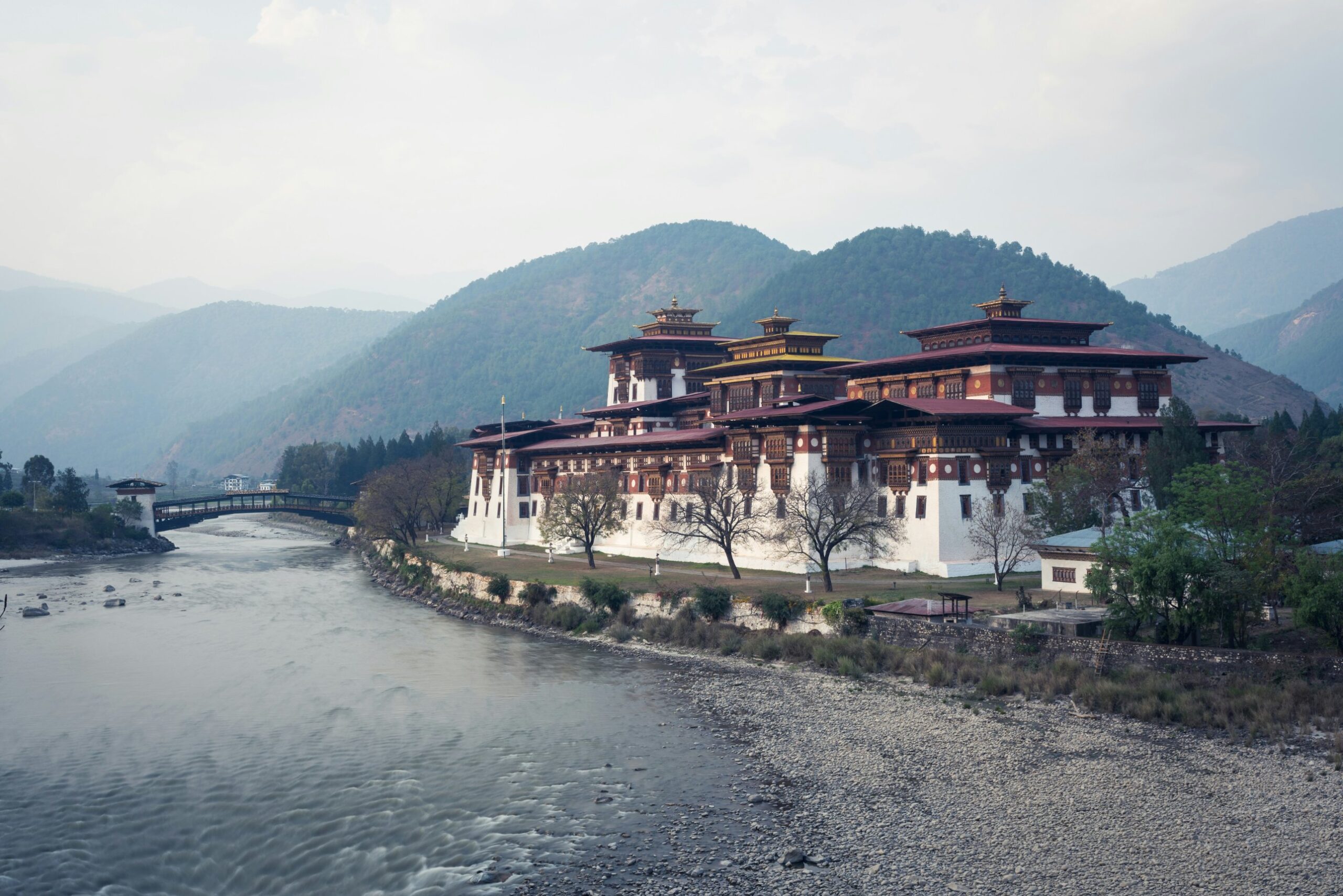
Punakha Dzong stands at the meeting of two rivers, its white walls, dark timber and richly decorated roofs creating one of Bhutan’s most striking architectural compositions. Cross towards it and the proportions gradually reveal themselves: broad walls, enclosed courtyards, elaborate doorways and finely painted details. Nearby, the long suspension bridge offers another view of the valley. Prayer flags line the crossing, the river moves below, and the bridge has just enough movement to keep your attention firmly in the present. Between the major sights, there’s much to enjoy in the countryside. Walk past cultivated fields and painted farmhouses, or follow paths towards smaller temples. A farmhouse meal can be a particularly welcoming introduction to Bhutanese cooking, with dishes arriving to share and generous helpings of rice.

The drives deserve attention, too. Mountain roads wind through forest and across high passes, occasionally opening to a much wider view. At Dochula, the cluster of white stupas makes a striking foreground to the Himalayan panorama when the weather is clear. Some stops will be planned; others may simply be too beautiful to pass.

https://vabeau.crea8ivedev.com/wp-content/uploads/2026/10/image-110-scaled.jpg
https://vabeau.crea8ivedev.com/wp-content/uploads/2026/10/image-108-scaled.jpg

Paro and Phobjikha

In Paro, spend time looking beyond the main sights. Shopfronts and houses reveal beautifully painted woodwork, while textiles, handmade paper and wooden bowls offer plenty of reasons to browse. Bhutanese weaving is especially compelling: the complexity of the patterns becomes more apparent the longer you look. The Phobjikha Valley brings a more open landscape, with broad wetland meadows bordered by wooded hills. Walk the nature trail, explore Gangtey village and spend time around the monastery. There’s enough here for an active day without needing to fill every hour. Winter adds the possibility of seeing black-necked cranes, which migrate to Bhutan from their breeding grounds on the Tibetan Plateau. Their arrival is celebrated locally, and watching these large, elegant birds in the valley gives the landscape another dimension.

After a day on the trails, a Bhutanese hot stone bath is an excellent prospect. River stones are heated over a fire and used to warm the bathwater, with herbs adding fragrance to the experience. At Gangtey Lodge, the tradition is offered in a dedicated bathhouse. The combination of warm water and a day spent outdoors needs very little embellishment. I’d be inclined to arrange the rest of the evening around it: a bath, dinner and somewhere comfortable beside the fire.

The table

Chillies command attention in Bhutanese cooking. In ema datshi, they are a principal ingredient, cooked with cheese into a dish that can be considerably more fiery than its comforting appearance suggests. Alongside it, look for red rice, buckwheat dishes, dumplings, potatoes with cheese and seasonal vegetables. Mushrooms are another pleasure when available. There’s a satisfying generosity to a table filled with shared dishes, particularly after several hours in the mountain air. Butter tea introduces a different flavor altogether: warm, salty and rich. Try it with an open mind, preferably somewhere you can settle in and enjoy the company. Food is one of the most immediate ways to get beyond the scenery and into the daily pleasures of a place.

When to go

Spring brings rhododendrons and other blossoms to the hills, along with major religious festivals, including Paro Tshechu. Elaborate costumes, masked dances and families dressed for the occasion make these gatherings a vivid part of Bhutan’s cultural life. Autumn is especially appealing for walking and mountain views, with festivals including Thimphu Tshechu adding another reason to visit. Winter brings colder temperatures, often clear skies and the opportunity to see black-necked cranes in Phobjikha. Summer turns the landscape a richer green, though monsoon rain can interrupt walks and obscure the mountains. It suits a different kind of visit, with more flexibility around the weather.

I’d build a Bhutan journey around a few valleys and give each enough time. There should be room for the ambitious walk and the afternoon bath, the great monastery and the small shop where a woven piece catches your eye. And when you’ve chosen a room overlooking a valley like Gangtey, an evening enjoying it belongs in the plans too.