Search icon
Travel guides

Cambodia, beyond angkor

Ta Prohm, Angkor

Cambodia deserves more than a few days squeezed between other destinations. There’s a richness to a journey here that needs a little breathing room, especially if your interests extend, as mine tend to, from architecture and design to what’s being served for dinner. The pleasure is in how much a single trip can hold. Extraordinary Khmer temples, inventive kitchens, a capital best explored with curiosity, and a forest retreat with a rather unconventional approach to check-in. Give yourself time to enjoy the differences.

Angkor

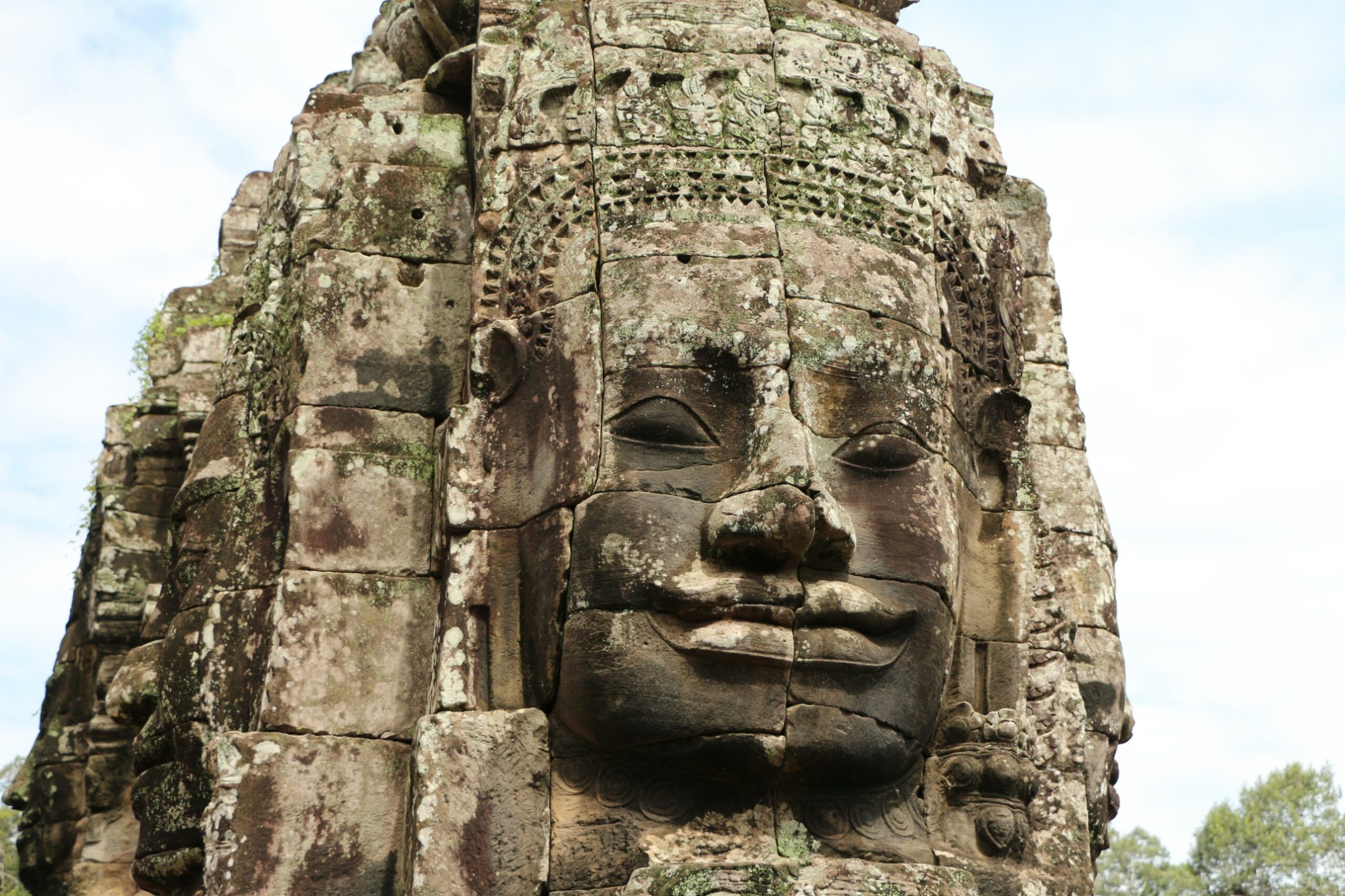
Angkor Wat warrants the early alarm. As daylight reveals the towers and their reflections, the scale of the place gradually becomes clear. You’ll probably have company, sunrise is hardly a secret, but watching the silhouette take shape is an extraordinary beginning. Inside, the galleries invite a closer look. Dancers wear elaborate carved headdresses; armies march across the stone; scenes from Hindu epics unfold along entire walls. It’s astonishing to think of the hands that made all this, and how much remains visible centuries later. At Bayon, enormous stone faces rise above the terraces, their gently smiling expressions appearing around corners and high overhead. Even at this scale, you find yourself studying a mouth, an eyelid, the curve of a cheek.

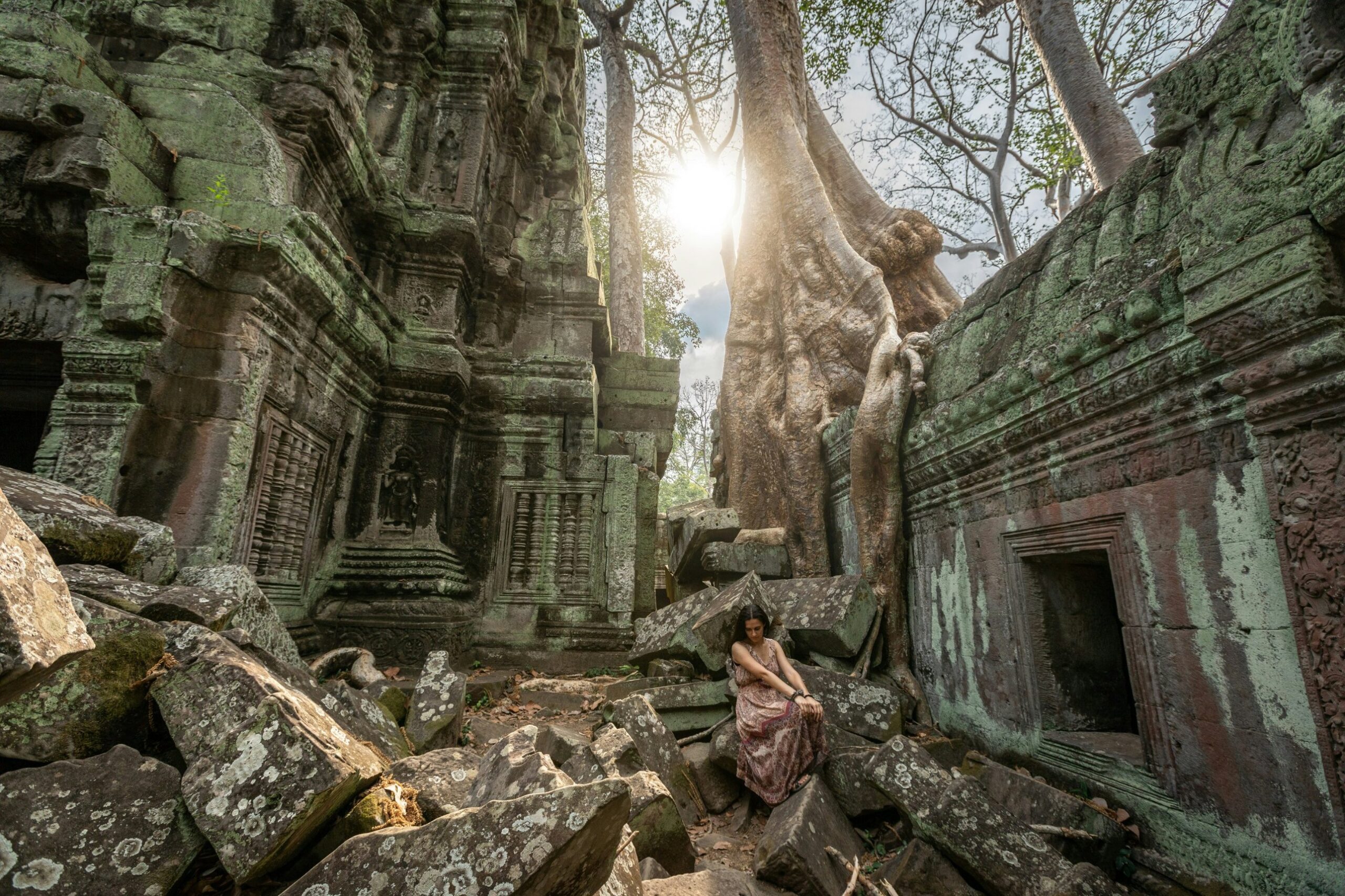
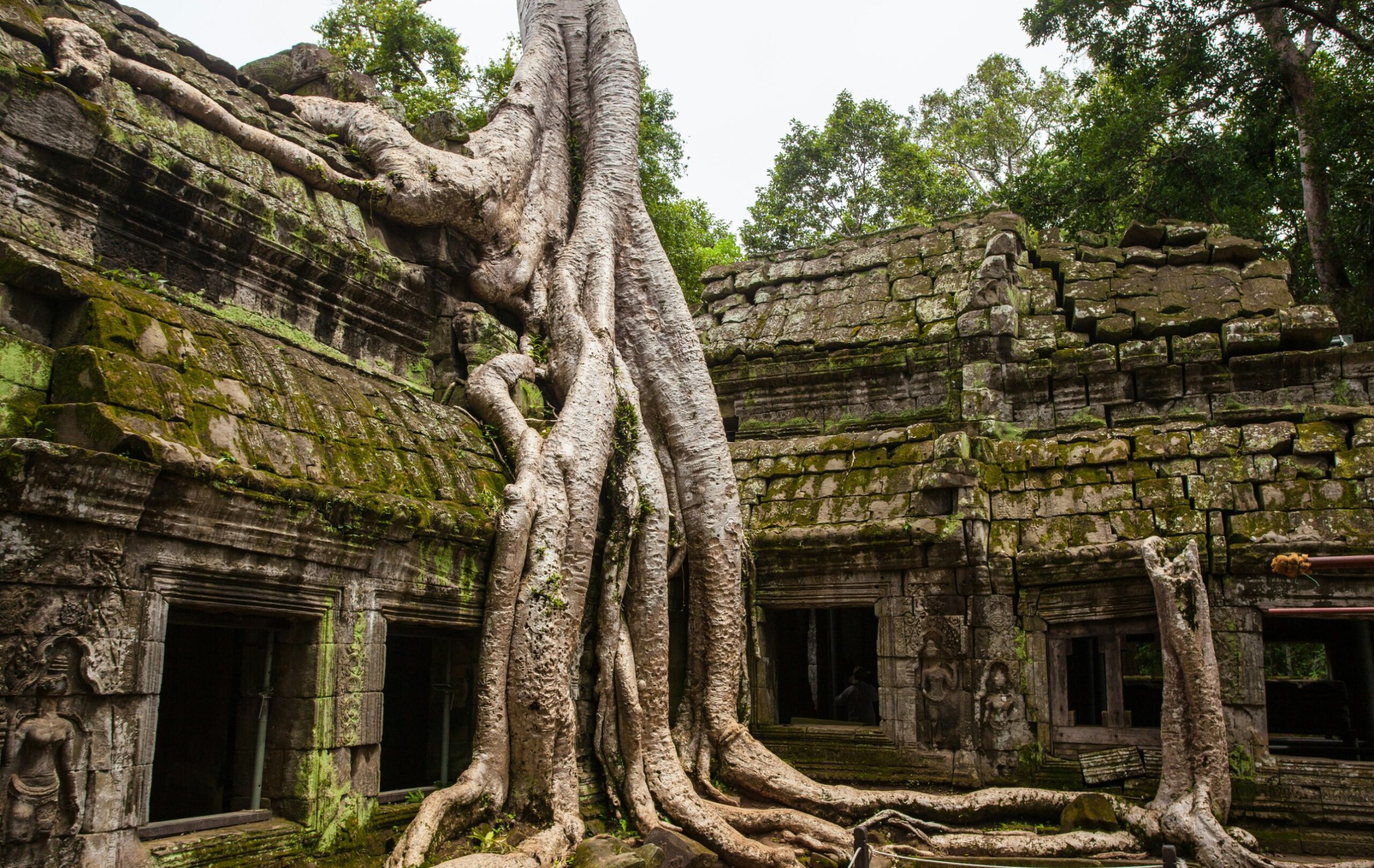
Then there’s Ta Prohm, where pale roots cascade over walls and enormous trees seem to hold the buildings in their grip. Doorways frame tangled branches, moss softens the stone, and passages lead into courtyards open to the sky. This is the part of Angkor that makes you want to keep exploring, just to see what’s through the next opening. Spread the visits out if you can. Each temple deserves your attention, and Cambodia’s midday heat provides an excellent argument for returning to the pool.
https://vabeau.crea8ivedev.com/wp-content/uploads/2026/10/image-101-scaled.jpg
https://vabeau.crea8ivedev.com/wp-content/uploads/2026/10/image-103-scaled.jpg

Siem Reap

Siem Reap gives you good reason to think about dinner well before the day’s exploring is over. Cambodian cooking brings together fragrant herbs, freshwater fish, coconut, sour notes and the aromatic spice pastes known as kroeung. Fish amok, gently steamed with coconut milk and spices, is a lovely introduction. Grilled fish, bright salads and generous handfuls of fresh herbs offer plenty more to get excited about. For a more elaborate evening, Embassy by Chef Kimsan explores Khmer cooking through seasonal tasting menus. Executive chef Kimsan Pol puts Cambodian ingredients and culinary traditions at the center of the experience. At Cuisine Wat Damnak, set in a traditional wooden house, locally sourced produce meets French culinary technique. These are dinners worth leaving an evening free for, with flavors that give you as much to discuss as the morning’s discoveries.

Leave time for the town itself, too. Browse Cambodian ceramics, woven textiles and contemporary design, or take a walk along the river as the afternoon cools. After a morning absorbed in ancient stone, there’s something especially appealing about seeing what people are making now.

Where you stay

Amansara has a particularly compelling history. Built in 1962 to accommodate guests of King Norodom Sihanouk, its low buildings, garden setting and graceful pool retain the character of a private retreat. The soaring circular dining room adds an unexpected architectural flourish, while the restrained interiors offer a restful setting after Angkor’s densely carved galleries. This is a hotel I’d consider part of the trip itself. Allow time to enjoy the grounds, settle in over lunch and spend an afternoon doing very little. It would be a shame to return only to sleep.

Shinta Mani Angkor, designed by Bill Bensley, brings a more playful sensibility. Khmer-inspired buildings, tropical gardens, pools and artwork give it an expressive, eclectic character. The hotel also helps fund the Shinta Mani Foundation’s work supporting Cambodian communities and ecosystems. The two have quite different moods: Amansara’s architectural restraint and privacy will appeal to some; others will be drawn to Shinta Mani’s decorative imagination. And if time allows, continue beyond Siem Reap. Cambodia has much more to offer.

Phnom Penh

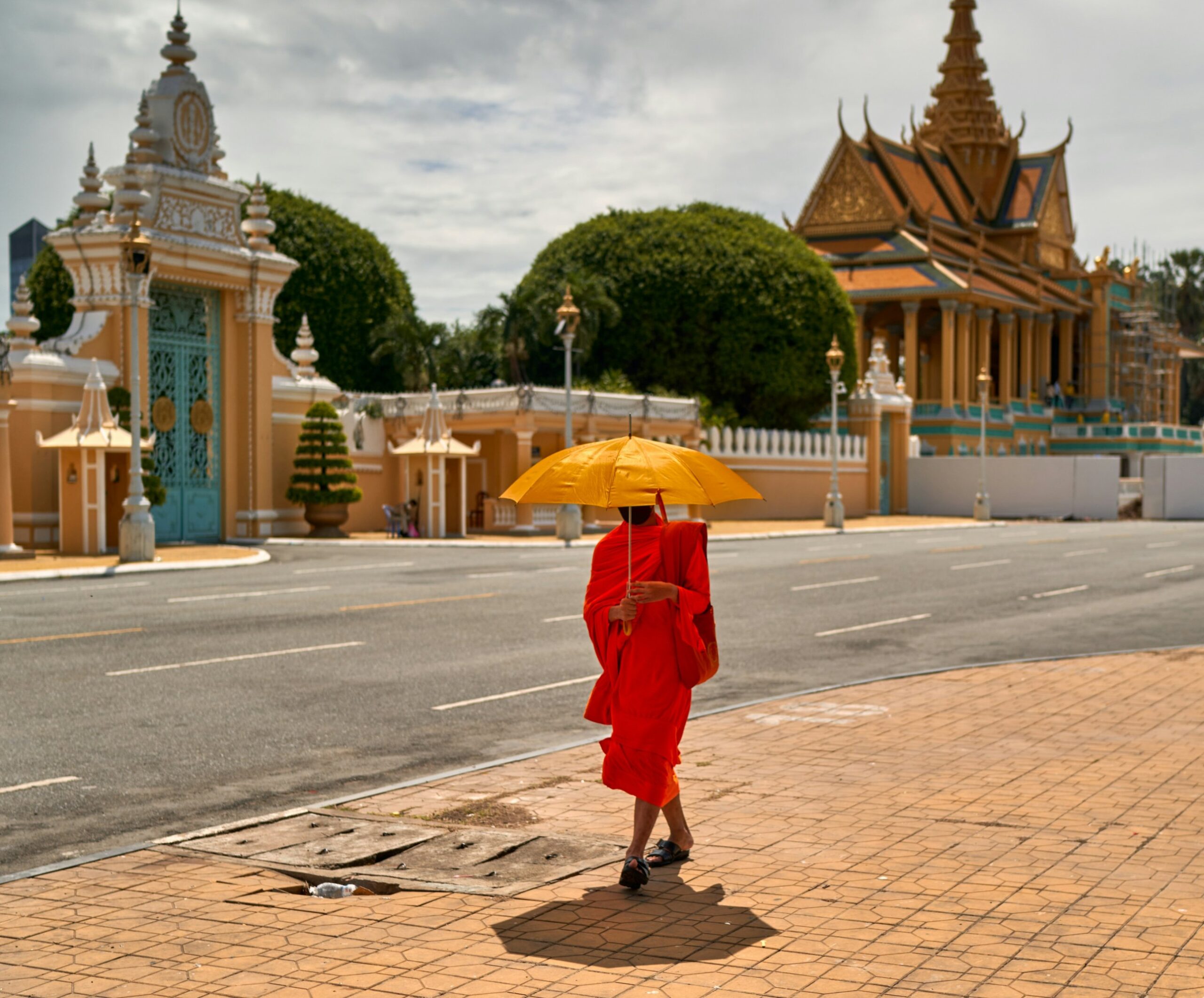
Phnom Penh brings a change of pace. Motorbikes fill the streets, markets keep everyone busy, and cafés and restaurants sit among older villas and newer towers. Allow time between its principal sights for a coffee, a look inside a gallery, or a detour down a street that catches your attention. The Royal Palace and National Museum offer an introduction to Cambodia’s royal traditions and Khmer art. After Angkor, the sculpture is especially rewarding: the faces, gestures and elaborate ornaments give you another opportunity to appreciate the artistry behind the temples. Cambodia’s recent history also belongs in a visit. The Tuol Sleng Genocide Museum and Choeung Ek document the atrocities of the Khmer Rouge regime. These are difficult, important places. Give them time, and leave space afterwards rather than rushing straight into another activity.

For a grand hotel atmosphere, Raffles Hotel Le Royal has enduring appeal. Its Elephant Bar is an inviting place to settle in for a cocktail, while Restaurant Le Royal offers Khmer dining in a more formal setting. There’s considerable pleasure in making an evening of both. Rosewood Phnom Penh provides a very different perspective, occupying the upper fourteen floors of Vattanac Capital Tower. Broad views across the city and towards the rivers make it an appealing choice for anyone who enjoys watching a capital unfold from above. Come evening, return to street level. Along the riverfront, people gather to walk, exercise, meet friends and enjoy the cooler air. After a day of museums and monuments, it’s a pleasure simply to join the promenade.

The Royal Palace, Phnom Penh

The Cardamom Mountains

After the cities, Cambodia’s southwest offers a complete change of surroundings: dense forest, rushing water and days spent largely outdoors. Shinta Mani Wild makes the arrival rather memorable. There’s the option of entering by zipline, traveling above the trees and across the river before reaching camp. It certainly gives you something to talk about over your first drink. Bill Bensley’s tented retreat has plenty of theatrical detail, with generous interiors and decks that bring the river close. You can spend the morning exploring and return to an excellent lunch, a deep bath and a very comfortable bed. Adventure becomes considerably more appealing with those arrangements.

Activities include forest exploration, cooking experiences and boat excursions, with opportunities to learn about the surrounding environment. Conservation is an important part of the camp’s work, addressing the pressures of poaching and illegal logging in the area. Leave some of the day open. Sit by the water, enjoy a treatment, or spend an hour on your deck listening to the river. After the richness of Angkor and the energy of Phnom Penh, that breathing room feels especially well placed.

I’d give Cambodia the kind of time you might usually reserve for a much longer trip. There should be room to return to a favorite temple, follow an interesting dinner with another, and enjoy the beautiful hotel you’ve chosen. By the time you reach the forest, with its rushing river and inviting decks, a few extra days may start to seem like a very good idea.