Search icon
Travel guides

Japan, from tokyo to kyoto

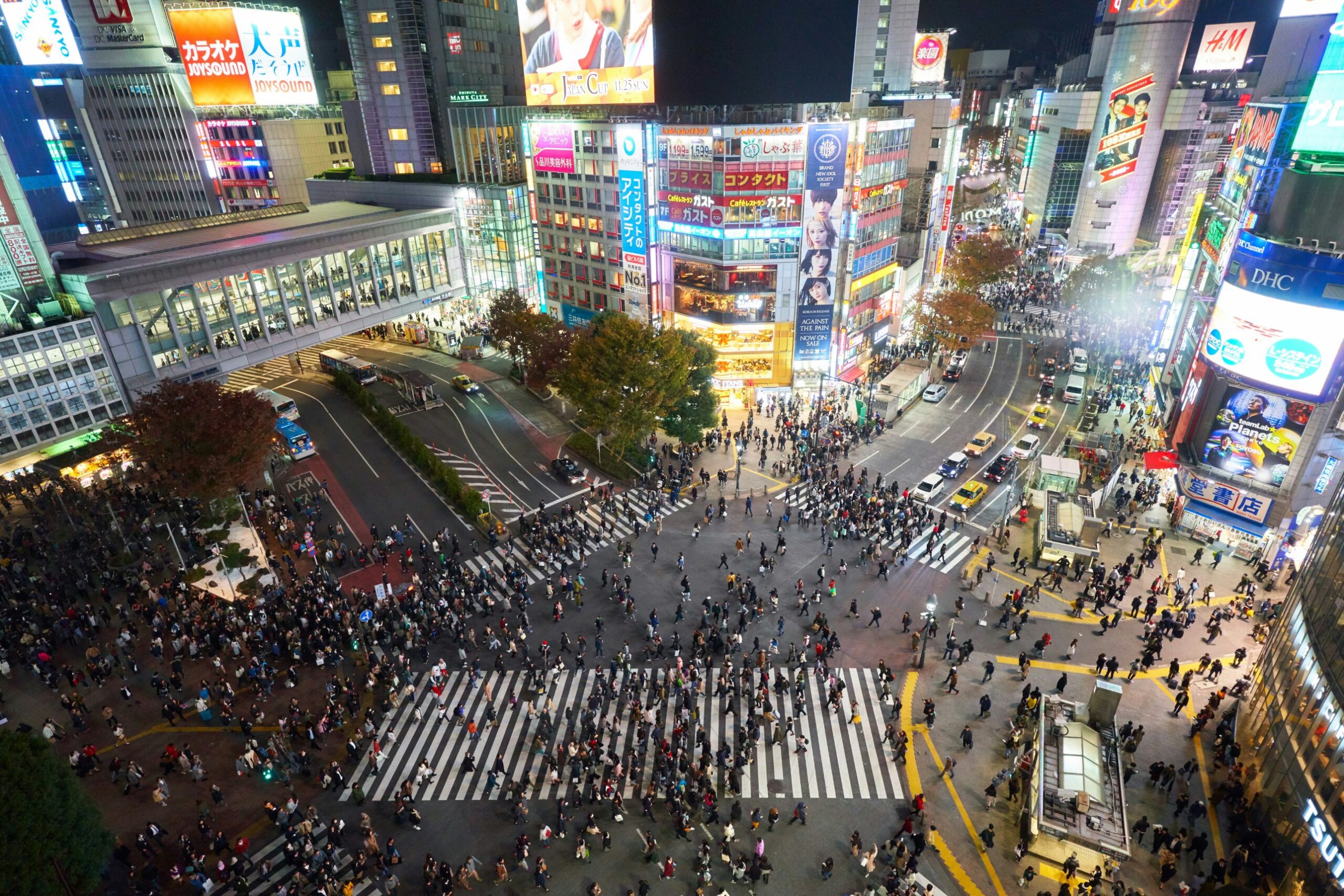
Shibuya Crossing, Tokyo

Japan offers so much to look forward to: the energy and design of Tokyo, the gardens and historic streets of Kyoto, a beautifully prepared meal at a small counter, or a few days in a traditional inn surrounded by mountains. There’s pleasure in the details here. It might be the wrapping on a purchase, a handmade ceramic bowl or the discovery of a neighborhood where you could happily spend an entire afternoon. Give yourself time to notice them.

The neighborhoods

Tokyo is made up of neighborhoods with distinct personalities. Rather than trying to cover the entire city in a day, choose a few that interest you and enjoy what makes each one different. Begin in Omotesandō, a tree-lined avenue where fashion and architecture share the spotlight. Luxury flagships sit alongside striking contemporary buildings, making the walk itself part of the experience. The glass façade of Prada’s Aoyama store is particularly memorable, even if you’re only looking. Turn into the smaller streets of neighboring Aoyama for independent boutiques, galleries and cafés. This is a part of Tokyo that’s especially appealing if you love fashion and interiors: spend some time browsing, then find a coffee shop and take a break before continuing.

Daikanyama has a more relaxed neighborhood feel, with stylish boutiques, restaurants and leafy streets that make it an inviting place to spend an afternoon. Start at Daikanyama T-Site, home to Tsutaya Books. Browse the beautifully presented books and magazines, with sections devoted to subjects including art, architecture, food and travel. There are cafés here, too, so it’s easy to settle in for longer than you planned. From T-Site, explore the surrounding streets and look for independent fashion and homeware shops. When it’s time for lunch, Daikanyama has plenty of places that make a leisurely meal feel like the right decision.
Early mornings

In Asakusa, Sensō-ji is Tokyo’s oldest temple and one of its best-known landmarks. Enter through Kaminarimon Gate beneath its enormous lantern, then continue along Nakamise-dōri, where shops sell traditional snacks, crafts and souvenirs. The approach is lively once the shops open, while the temple grounds offer an opportunity to appreciate the architecture and observe the customs of worshippers. Take a moment to notice the details before continuing into the surrounding streets of Asakusa.

The food

Tokyo is a city where an exceptional meal can take many forms. You could spend one evening at a beautifully considered sushi counter and the next tucked into a small restaurant with a bowl of ramen or a plate of grilled skewers. An omakase dinner is a wonderful experience for sushi lovers. Sitting at the counter gives you a close view of the chef’s work as each piece is prepared and served. It can be a splurge, but it’s one to consider for a special night in Tokyo. For something more relaxed, seek out a neighborhood ramen shop or yakitori counter. The beauty of eating in Tokyo is that you don’t need to make every meal a grand occasion. Sometimes a small restaurant and a dish done especially well are exactly what you’re in the mood for.

When you’re ready for a break, seek out a kissaten, a traditional Japanese coffee house. Settle in with a carefully brewed cup and enjoy the atmosphere; some of these cafés have retained their vintage furnishings and old-fashioned character. Tokyo’s intimate cocktail bars are worth an evening, too. Watching a bartender prepare a drink, with careful attention to the ingredients, glass and ice, is part of the pleasure. For a special occasion, Aman Tokyo offers a striking setting above the city. Whether you’re staying at the hotel or stopping in for a drink, take time to enjoy the architecture and the view across Tokyo’s skyline.

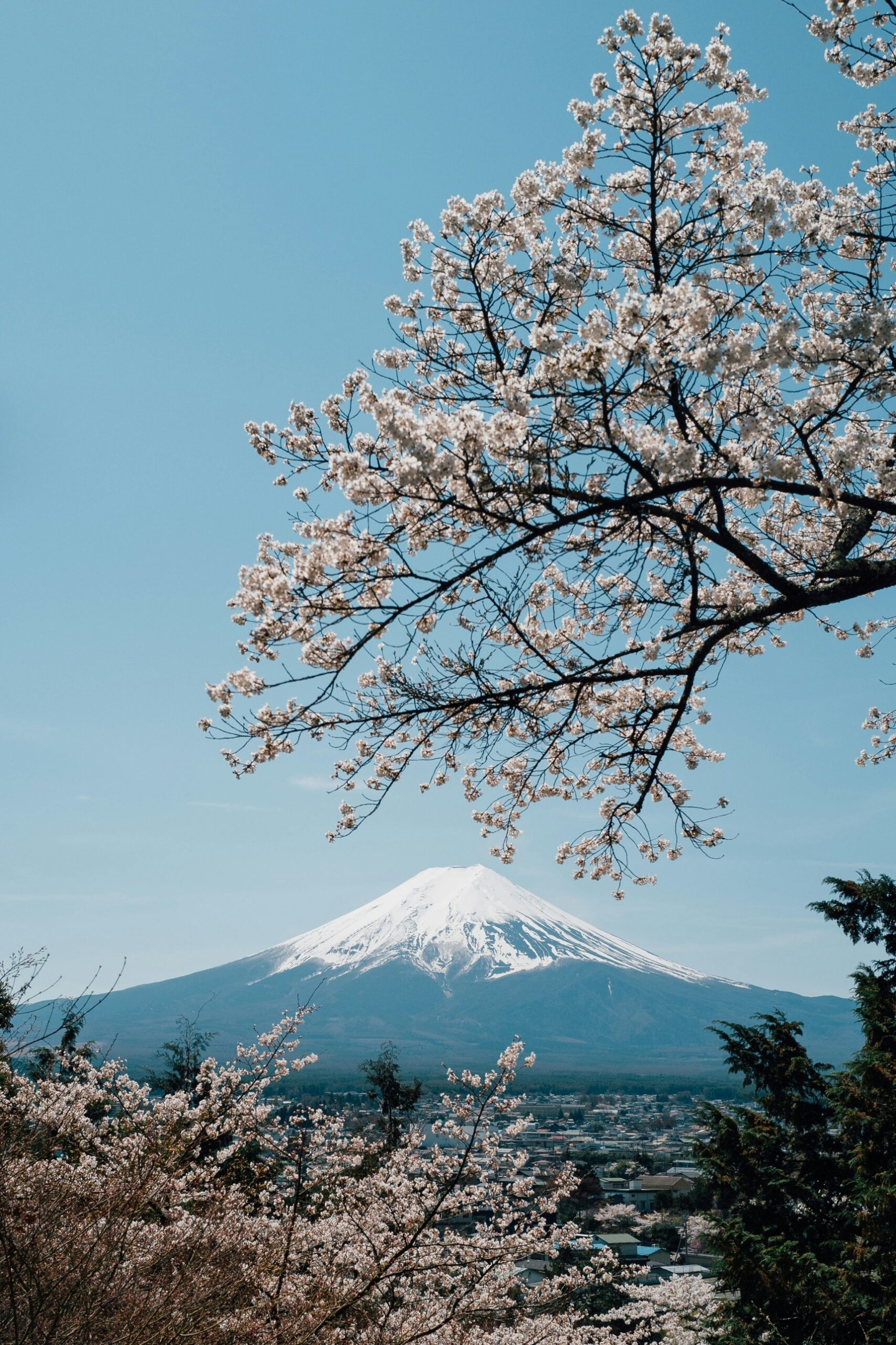
Mount Fuji in cherry blossom season

Kyoto and beyond

Kyoto offers another side of Japan, with historic temples, gardens and neighborhoods where traditional architecture remains part of the city’s character. At Fushimi Inari Taisha, follow the paths beneath its vermilion gates as they climb the mountainside. There’s no need to rush to the top; take your time and enjoy the wooded setting and smaller shrines along the way. In Higashiyama, stone lanes lead past wooden machiya townhouses, traditional storefronts and shops selling local crafts. Look for Kiyomizu-yaki ceramics, stop for matcha or choose a small café where you can sit for a while before continuing. It’s an especially appealing area if you enjoy bringing home something handmade.

As evening approaches, explore Gion, where lantern-lit streets and traditional buildings create an especially atmospheric setting. This is a working neighborhood as well as a place visitors come to see, so give residents and performers space and observe the local photography rules.

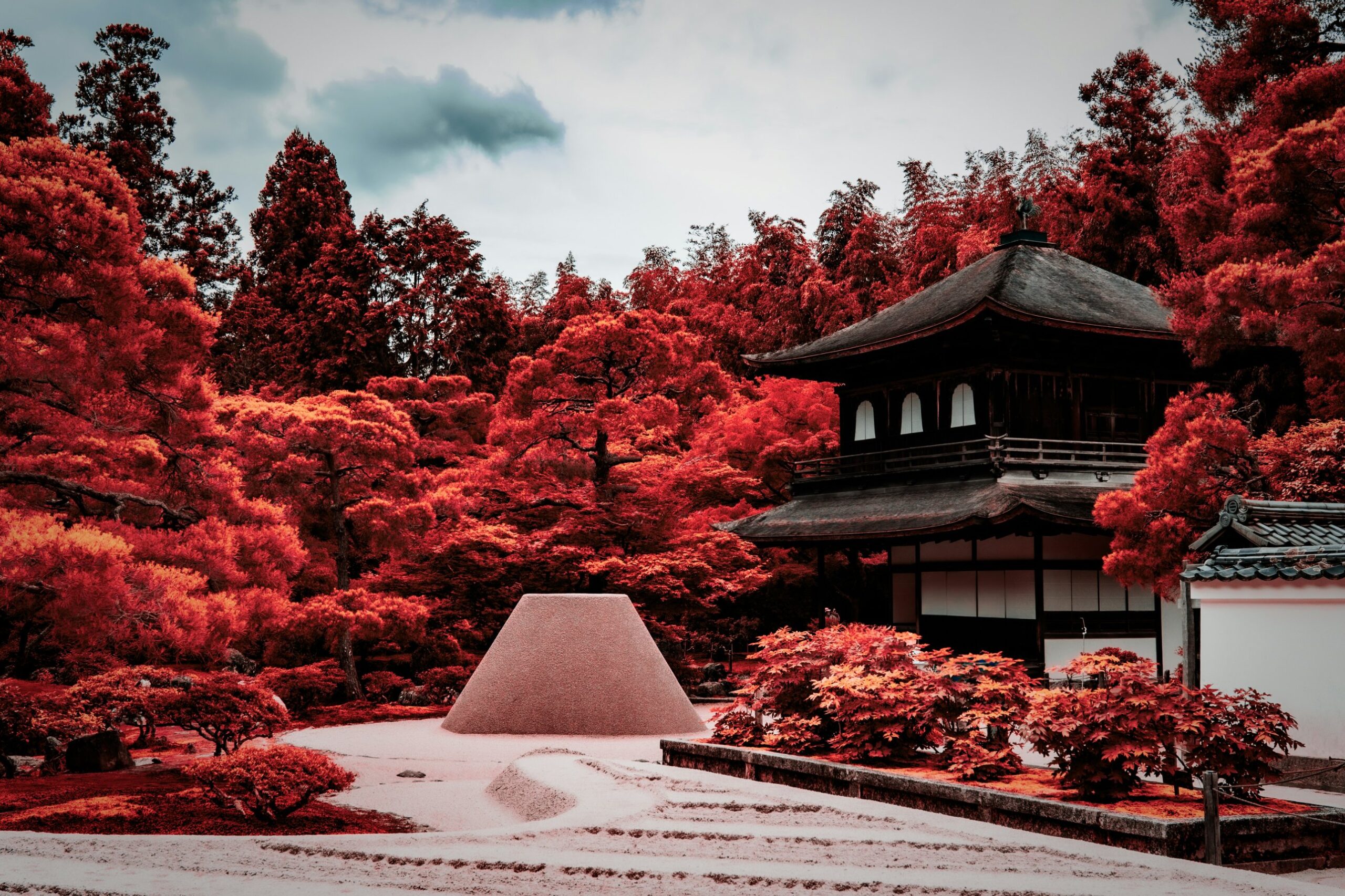
Ginkaku-ji, Kyoto

Ryokan and onsen

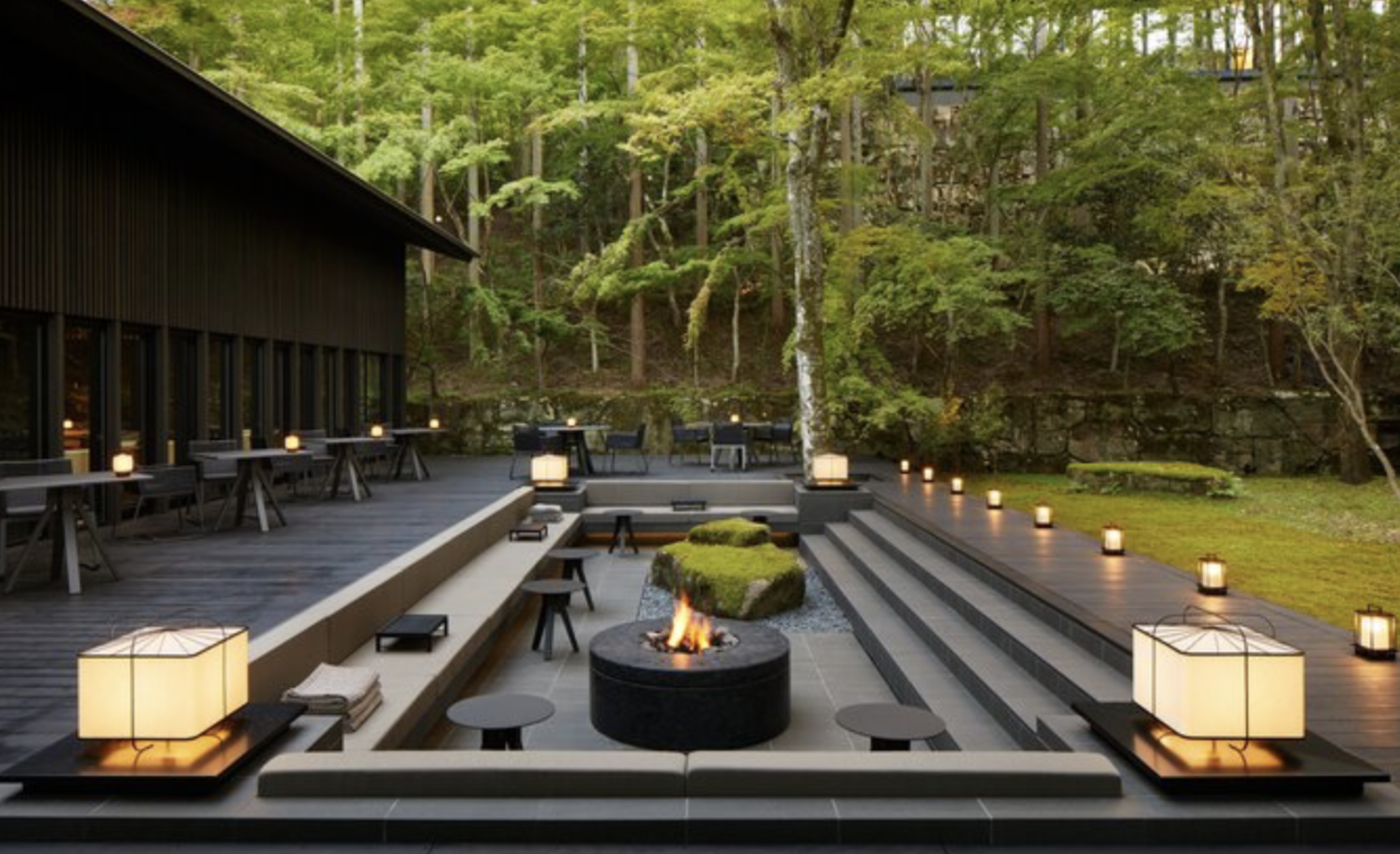
A journey beyond Kyoto can add another dimension to your time in Japan. A stay at a traditional ryokan offers the chance to experience Japanese hospitality through tatami rooms, seasonal dining and the particular character of the inn. Leave room in your plans to enjoy the property itself: a beautifully prepared dinner and a quiet morning can be highlights of the stay. Many travelers also look forward to an onsen, a Japanese hot-spring bath. Depending on the property, you might soak indoors or outside with a view of the surrounding landscape. After days spent walking through cities and temples, it’s a lovely way to unwind. Aman Kyoto, set in a forested garden at the foot of the northern hills, brings both together in one of the city’s most serene settings.

Aman Kyoto

The Japanese table

One of the joys of traveling through Japan is the sheer variety of ways to eat. There are elaborate tasting menus and tiny neighborhood counters, meals centered on seasonal ingredients and snacks you discover while exploring. Sit down at an izakaya and order a selection of dishes to share, perhaps with grilled skewers and a cold drink. Try a bowl of ramen on a busy day in Tokyo, or make time for matcha and Japanese sweets in Kyoto. The contrast is part of what makes eating here so much fun. Even convenience stores are worth a look. Rice balls, egg sandwiches and seasonal sweets make an easy snack between plans, and browsing the shelves can be surprisingly entertaining.

At Isetan Shinjuku, the basement food hall, or depachika, is worth visiting even if you haven’t come to shop. Counters display delicate Japanese sweets, pastries, fruit and beautifully arranged bento boxes. Choose something for later, or put together a collection of small treats to enjoy back at your hotel. It’s also a good place to find a gift that’s as lovely to look at as it is to eat.

Leaving Japan

There are so many ways to bring a piece of Japan home with you. Perhaps it’s a hand-thrown ceramic bowl, a beautifully bound notebook or a kitchen knife chosen for someone who loves to cook. And then there are the memories that won’t fit in a suitcase: a favorite meal, an afternoon in Kyoto or the pleasure of discovering a Tokyo neighborhood you hadn’t expected to love.