Search icon
Travel guides

Mexico city: come hungry, leave inspired

Mexico City has a way of making you rethink how much you can fit into a day. You might set out for a museum and find yourself drawn into a shop along the way, then sit down for lunch and look up to find it’s nearly dinnertime. It’s a city I would happily return to again and again, partly because there’s always more to see, and partly because the places you already know are so hard to resist.

Hotels

Campos Polanco is an under-the-radar favorite. Intimate and beautifully designed, it has the feel of a private residence, with thoughtful service and none of the fuss that can come with a larger hotel. It’s the kind of place where you can settle in quickly, even if you’re only in town for a few days. Nearby, Casa Polanco occupies a restored 1940s mansion with just nineteen rooms. The art collection is impressive, the interiors are elegant, and the atmosphere feels personal from the moment you arrive.

If you prefer a more classic luxury hotel, Las Alcobas is discreet and polished, with attentive service. The Four Seasons is centered around one of Mexico City’s loveliest courtyards, while the Ritz-Carlton offers sweeping views across the city and all the comforts you’d expect from the brand. For a contemporary stay that can offer better value, consider The Wild Oscar in Polanco. Condesa DF still has a fabulous rooftop and plenty of appeal, but if a good night’s sleep is high on your list, The Wild Oscar may be the better fit.
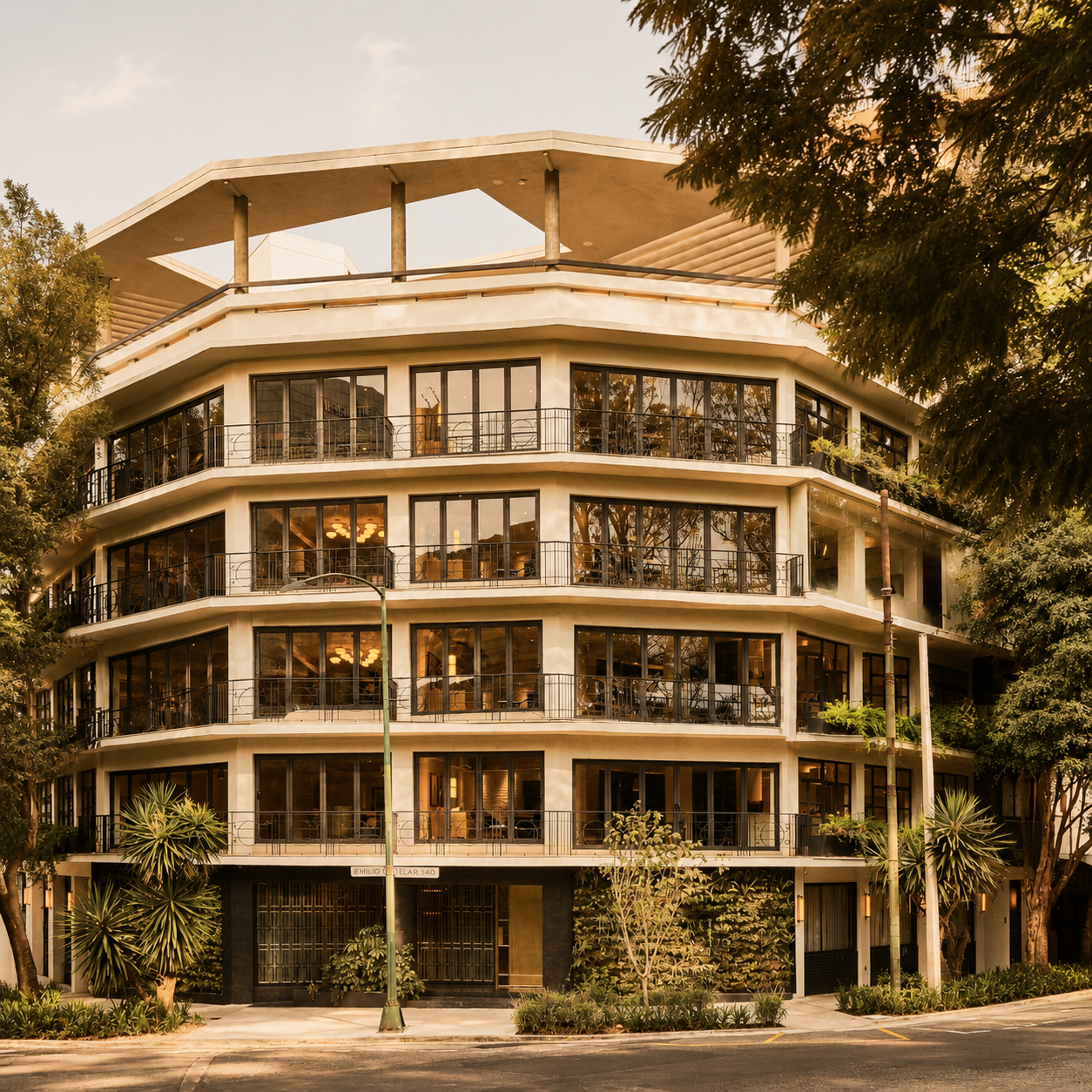
Campos Polanco, Polanco

Condesa and Roma Norte

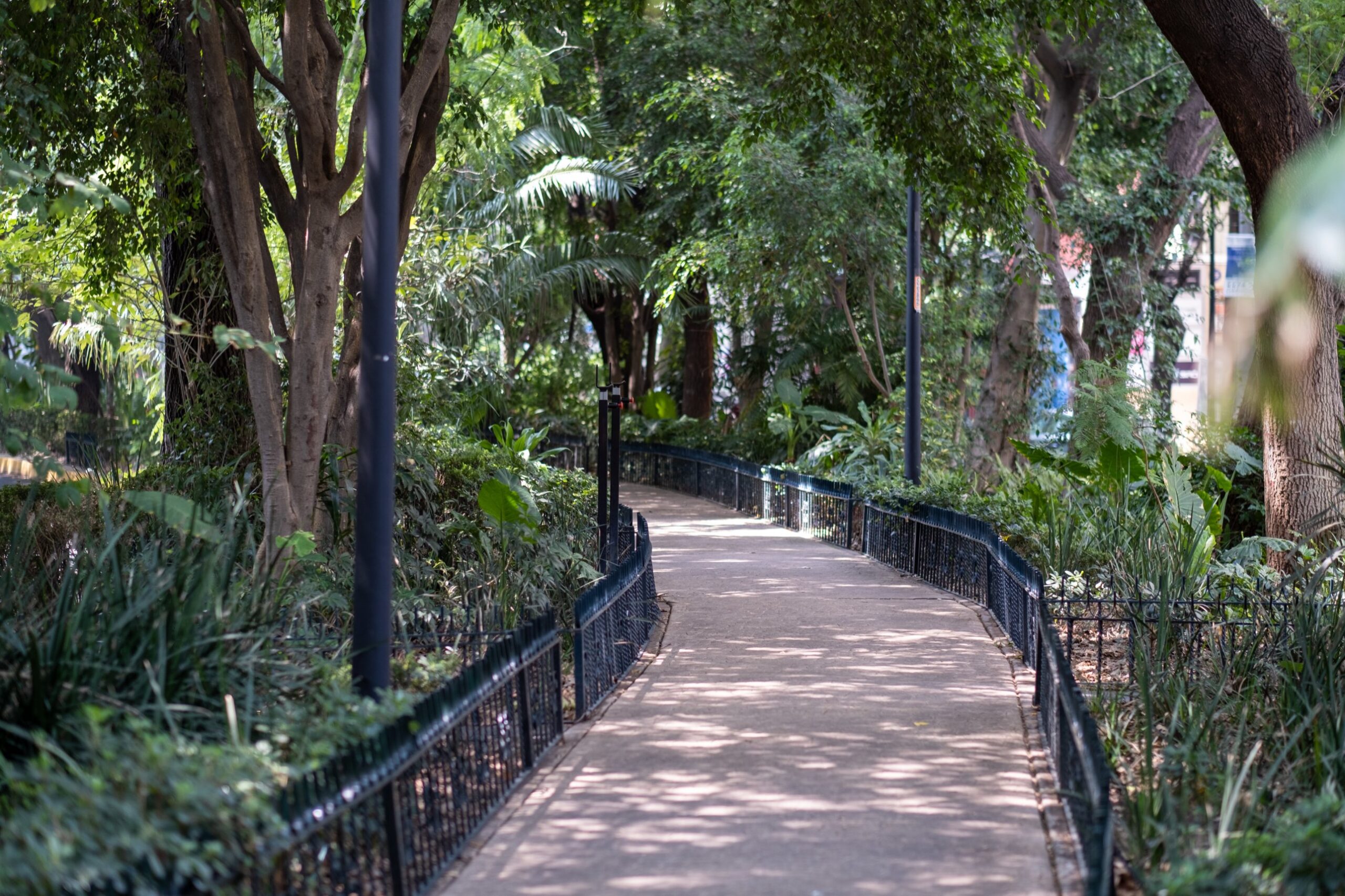
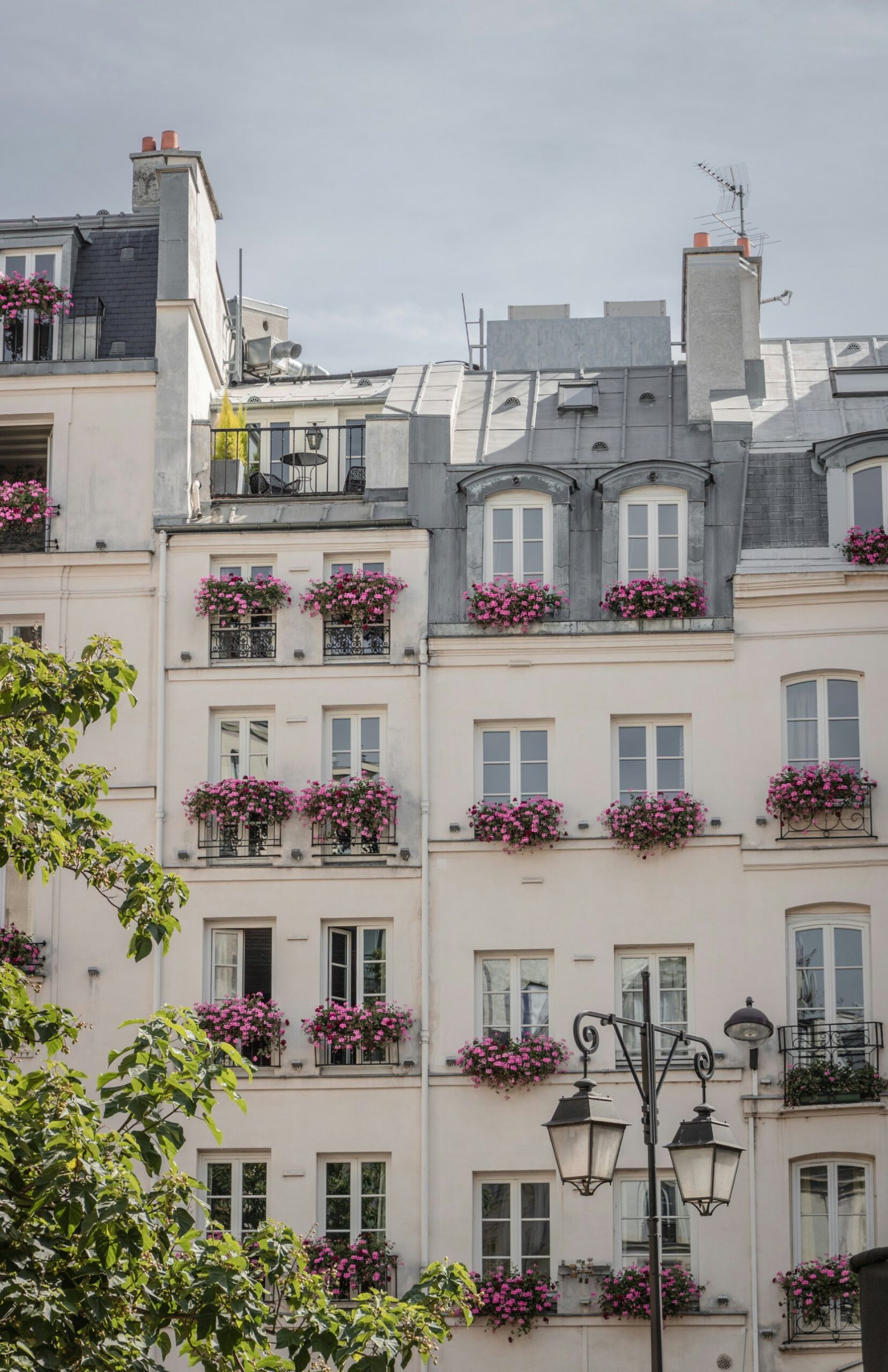
Begin in Condesa. Walk along Amsterdam Avenue, the graceful oval boulevard built on the footprint of an old horse-racing track, and spend some time in Parque México. There are dogs being walked, friends meeting for coffee and people stretched out beneath the trees. The surrounding streets are leafy, the Art Deco buildings are beautiful, and the neighborhood is easy to love. Roma Norte has a more creative energy. Start on Calle Colima, where independent boutiques, cafés, galleries and restaurants line the street, then explore the blocks around it. There’s always the possibility of finding a shop you hadn’t heard of or a café that persuades you to stop for longer than you intended.

Polanco and the south

Polanco is the city’s most polished neighborhood, with broad avenues, luxury boutiques, elegant cafés and some of its best-known restaurants. Even if shopping isn’t on your agenda, go into El Palacio de Hierro. Prada, Saint Laurent and Loewe are among the labels inside, and the department store itself is a pleasure to explore.

For more luxury shopping, head south to Artz Pedregal, in Jardines del Pedregal. The neighborhood was developed by architect Luis Barragán across a volcanic landscape, and the shopping complex brings together names including Chanel, Hermès, Dior, Cartier, Louis Vuitton and Gucci, alongside works by Ai Weiwei and Daniel Buren. Anyone with an interest in architecture or interiors should also make time for Casa Luis Barragán. The architect’s former home and studio is now a UNESCO World Heritage Site, and the way he uses color, light and proportion makes each room worth studying.

Amsterdam Avenue, Condesa

Restaurants

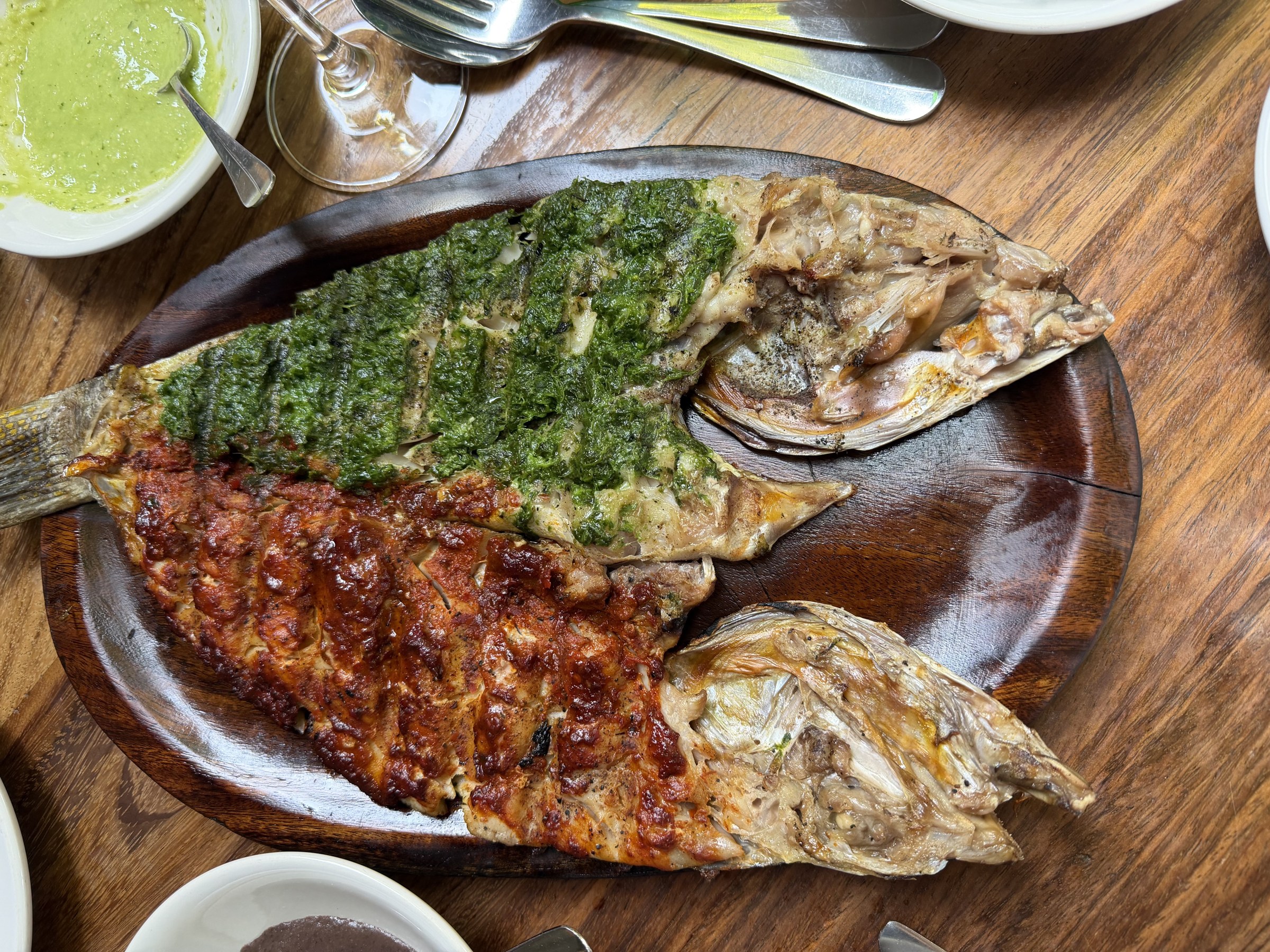
Contramar is an institution, and lunch here is one of the things I would make time for in Mexico City. Gabriela Cámara opened the seafood restaurant in 1998. The room is lively, the tables fill with friends and families, and lunch has a way of stretching comfortably into the afternoon. Start with the tuna tostadas, then order the pescado a la talla: a whole grilled fish with red adobo on one side and parsley sauce on the other. It comes with warm tortillas, so everyone can make their own tacos.

Morning belongs to Roma Norte. Afternoon belongs to Condesa. On Calle Colima, Lotti is an interesting choice for dinner. Chef Luc Liebster trained at Vienna’s Steirereck and worked at Pujol before opening the restaurant, which he named after his grandmother. His cooking combines European technique with Mexican ingredients. Not every dish is equally successful, but there are some standouts: the dehydrated watermelon is more delicate than it sounds, while the El Dorado rockfish, served with legumes and a rich vin jaune sauce, is a dish to look for.

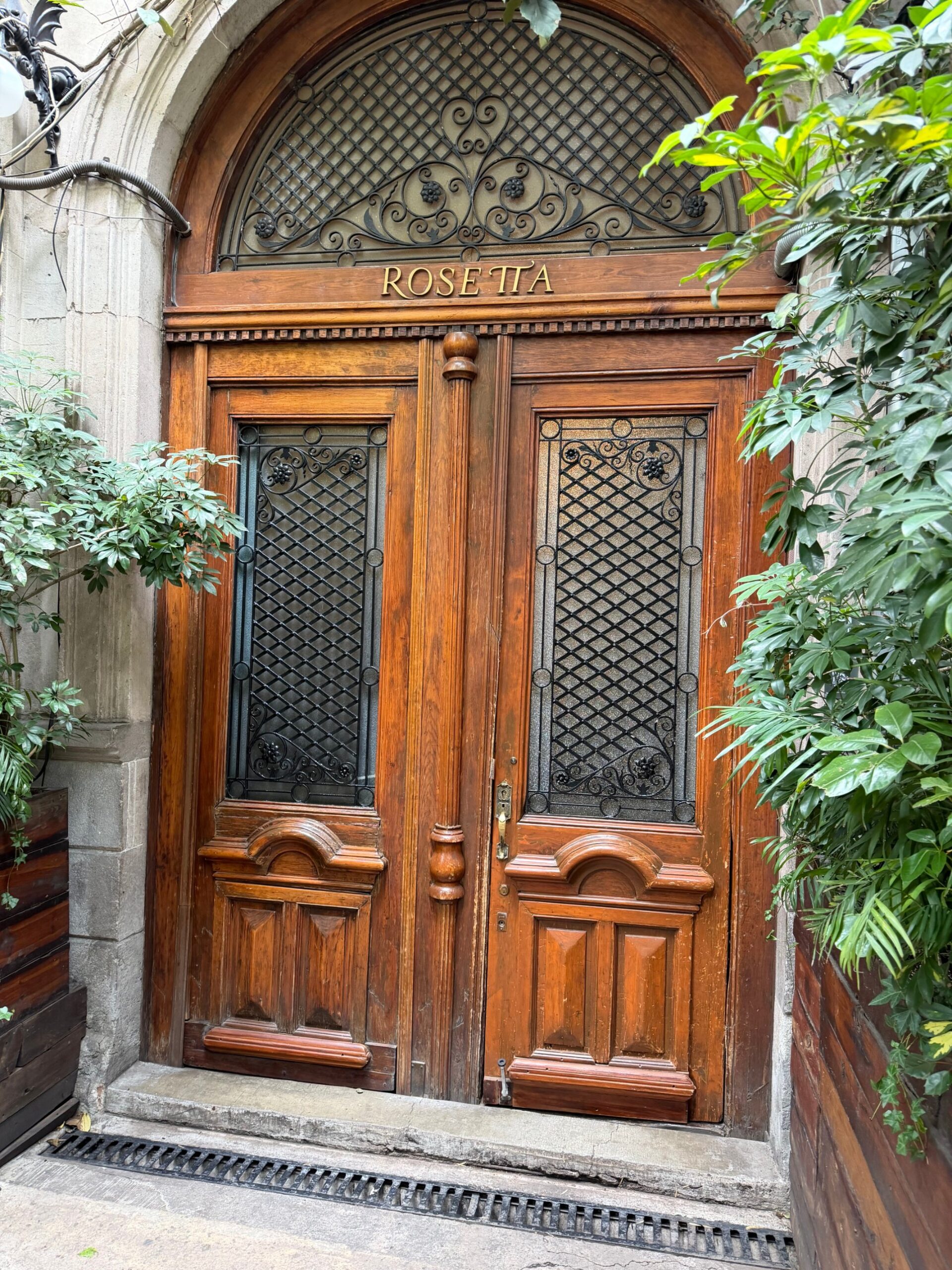
Just off Amsterdam Avenue, Lardo is a bright, relaxed place for breakfast or lunch. Order the eggs wrapped in fragrant hoja santa with fresh cheese, and take your time. A few blocks away on Colima, Panadería Rosetta usually has a line outside. The guava pastry is the one to try: buttery, flaky and just sweet enough.

Design, books and fashion

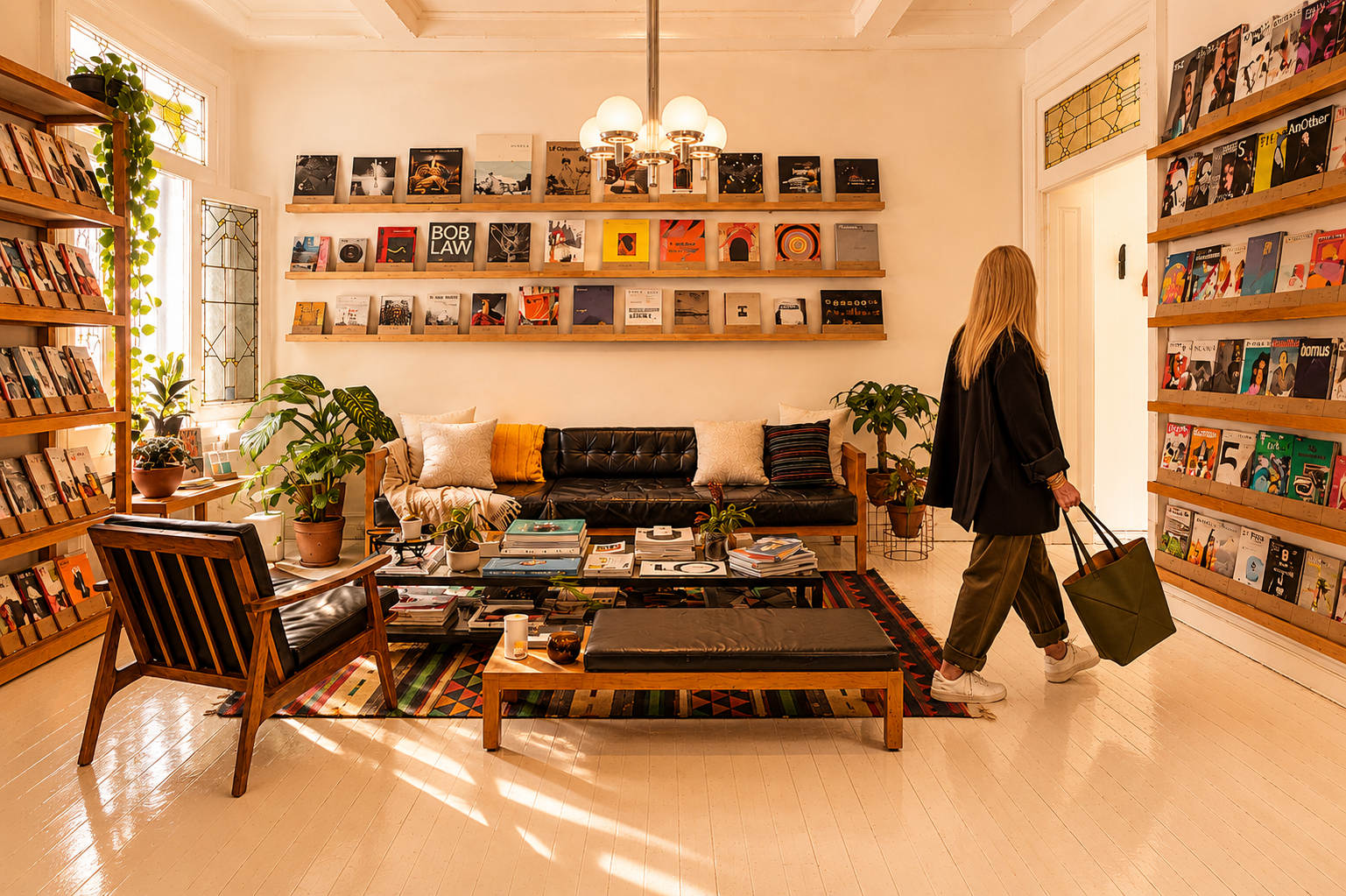
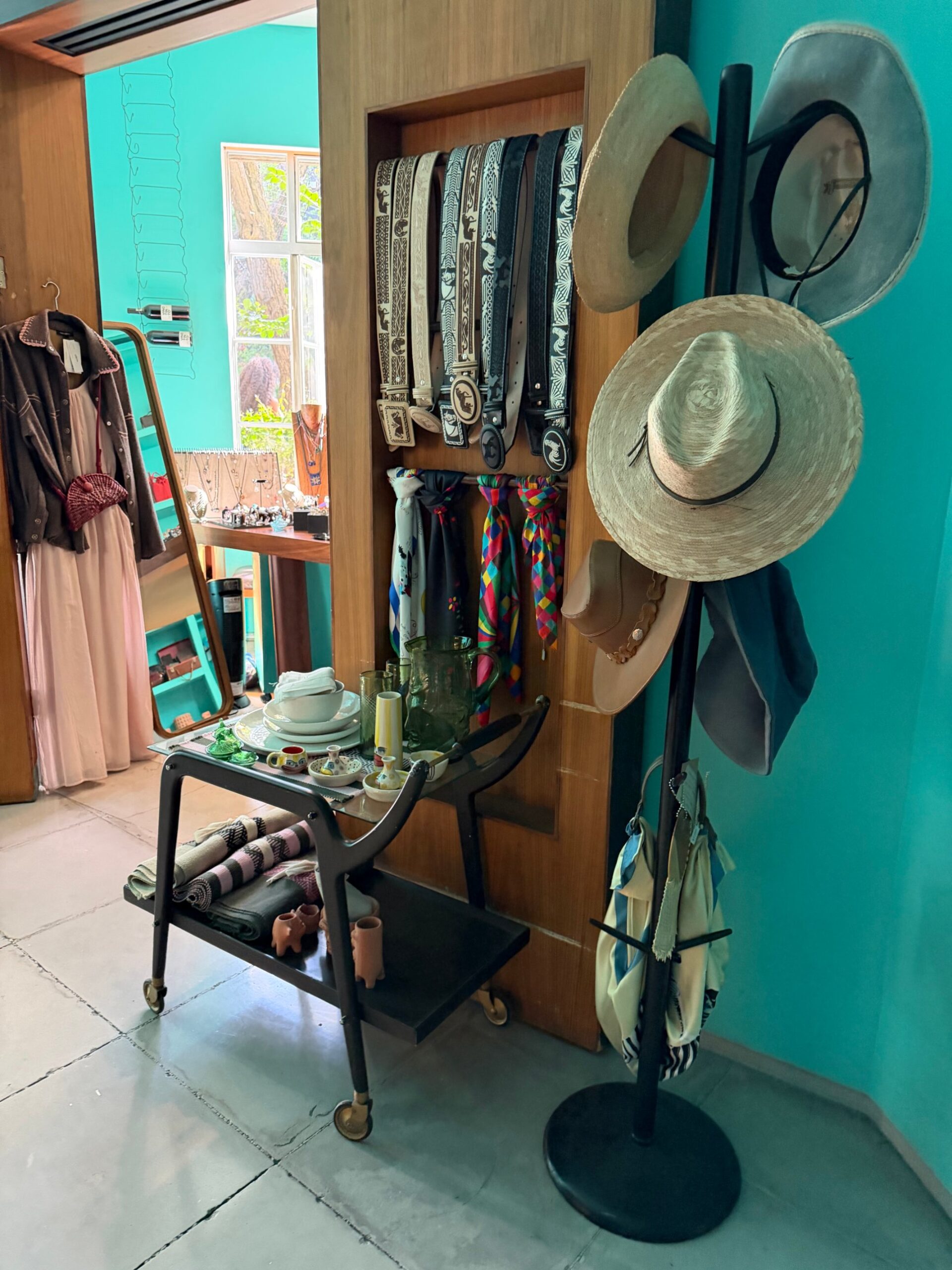
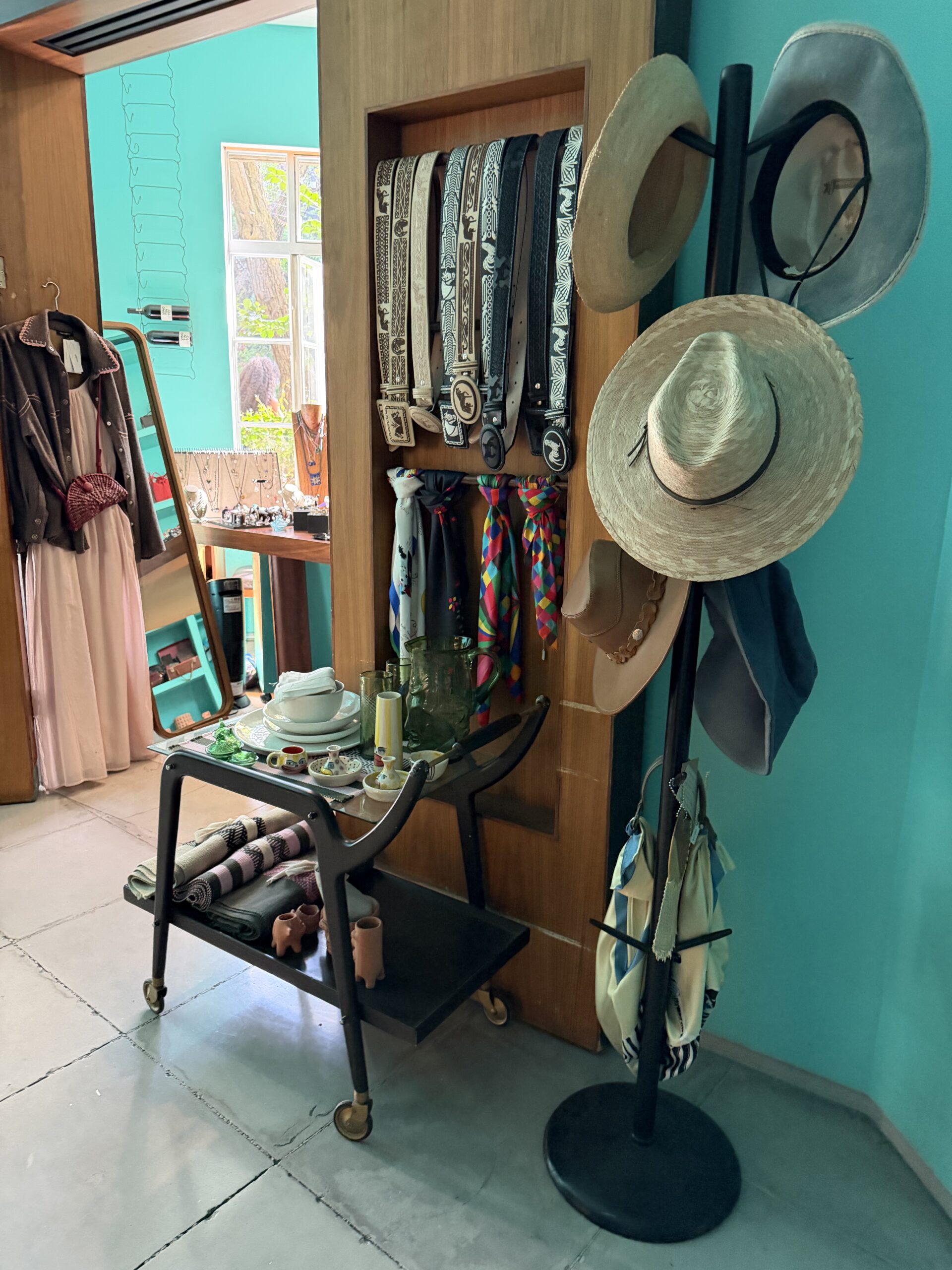
Casa Bosques combines a bookstore, chocolate shop and design boutique. It’s the sort of place where you might walk in for a quick look and leave with a photography book and a beautifully wrapped bar of single-origin chocolate. Nearby, Utilitario Mexicano is a good stop for everyday objects with a distinctly Mexican design sensibility. Carla Fernández works with Indigenous artisans and textile traditions to create contemporary clothing with a strong point of view. For something younger and more playful, visit Hi-Bye.

Back in Condesa, Mutuo carries an appealing mix of clothing, homewares and lifestyle pieces. Fábrica Social showcases handmade clothing created by artisan communities across Mexico, while Erícana México combines an independent bookstore with a café—ideal when you need a pause between shops. For fragrance, visit Xinú in Juárez. Its perfumes are displayed beneath hand-blown glass domes, and discovering the scents is as much a part of the experience as choosing one to take home.

Jewelry

For beautifully crafted Mexican silver, start with TANE. Cruzada offers a more organic, artisanal look, while Daniel Espinosa is known for bold contemporary pieces. On Álvaro Obregón in Roma Norte, Cafebrería El Péndulo is part bookstore, part café, and somewhere you could easily spend an hour or two. Browse the English-language books and the Latin American feminist section, then head upstairs to the rooftop bar. There are several locations around the city, but this one has a particularly inviting atmosphere.

Chapultepec and the museums

The Museo Nacional de Antropología is one of the world’s great museums, and it’s worth making space for it even if your Mexico City wish list is already long. The collection spans Mexico’s pre-Columbian civilizations. Start with the Aztec Sun Stone, then continue through the Teotihuacán and Maya galleries. Allow yourself at least half a day; there’s far too much here to appreciate in a quick visit. When you’re ready for lunch, the museum’s Sala Gastronómica has a garden terrace, or you can head toward Chapultepec Lake for a meal overlooking the water at Bistro Chapultepec.

Leave time for Chapultepec itself. Larger than New York’s Central Park, this vast green space contains lakes, forests, museums, a castle and a zoo. It’s a welcome place to walk between the city’s busier stops. At Plaza Carso, two notable museums stand opposite each other. Museo Soumaya, designed by Fernando Romero, is instantly recognizable by its shimmering sculptural façade. Inside, Carlos Slim’s collection ranges from Rodin and Dalí to European and pre-Hispanic works. Across the plaza, Museo Jumex, designed by David Chipperfield, focuses on modern and contemporary art. Both museums offer free admission.

Coyoacán and Xochimilco

Spend a day in Coyoacán if you can. Once an independent village, the neighborhood has a character of its own, with cobblestone streets, shaded cafés, markets and leafy plazas. The Frida Kahlo Museum, known as La Casa Azul, occupies the house where the artist lived and worked. Its rooms and personal objects offer a closer look at her life beyond the paintings. Afterward, wander through the neighborhood and stop for lunch overlooking Jardín Centenario.

Farther south, Xochimilco is known for its canals and chinampas—cultivated plots created in the shallow lake. Today, a ride on a brightly painted trajinera is one of the city’s most festive outings. Go with friends, bring cold drinks and an appetite, and watch as mariachi bands and floating vendors pass from boat to boat. On Sundays, the canals fill with families celebrating birthdays, anniversaries and simply being together.

Centro Histórico

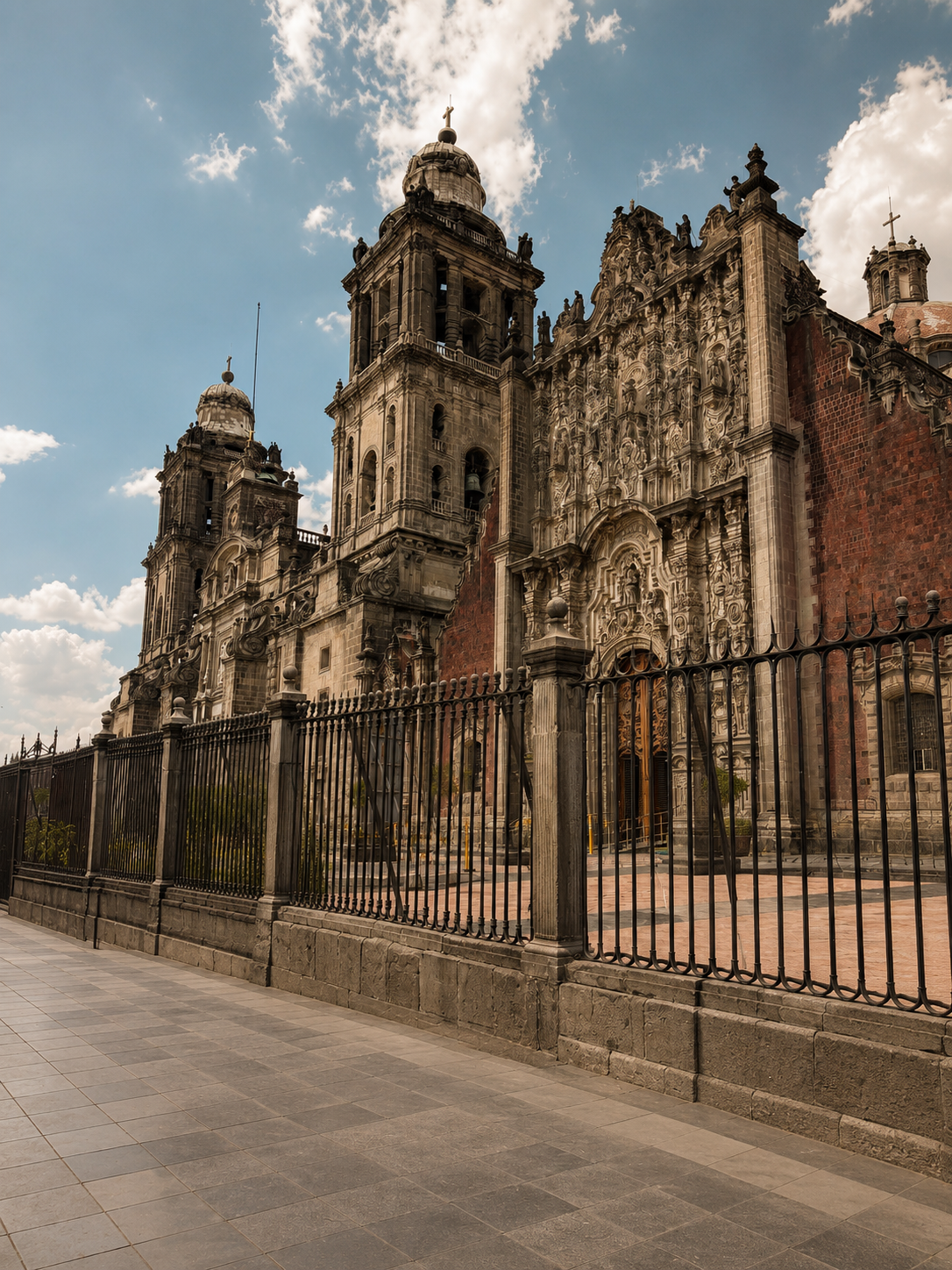
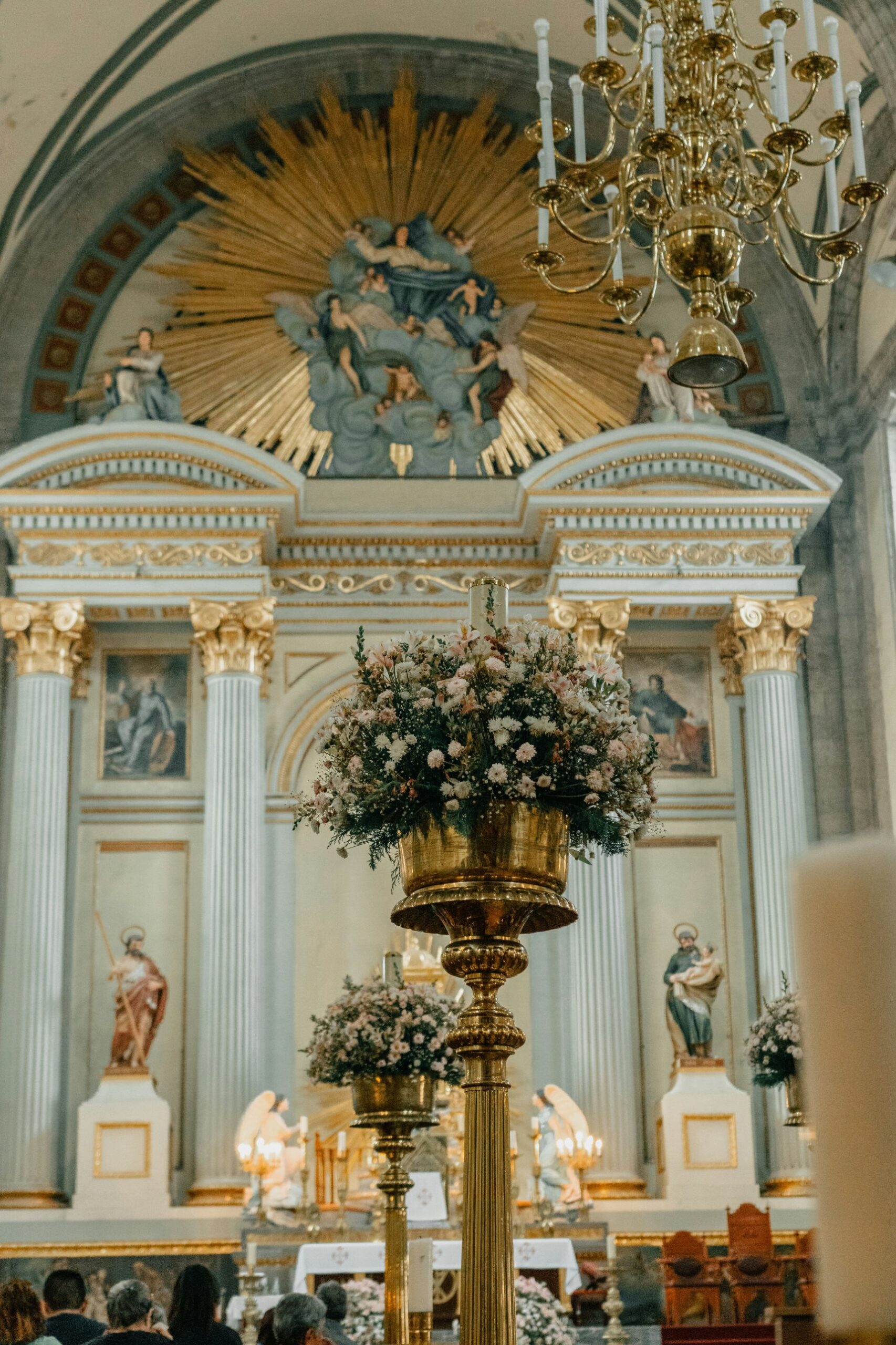
The Centro Histórico brings several chapters of Mexico City’s history into view at once. This was the heart of the Aztec capital, Tenochtitlán, before becoming the center of colonial Mexico. Begin at the Zócalo, one of the world’s largest public squares, framed by the Metropolitan Cathedral and the National Palace. It remains a gathering place for national celebrations and demonstrations. At the edge of the square, the excavated remains of Templo Mayor reveal the ceremonial center of Tenochtitlán. Seeing the ruins beside the colonial buildings gives you a powerful sense of the city built above them. After exploring the site, head to one of the surrounding rooftop restaurants for lunch and a view across the cathedral and the square.

Teotihuacán

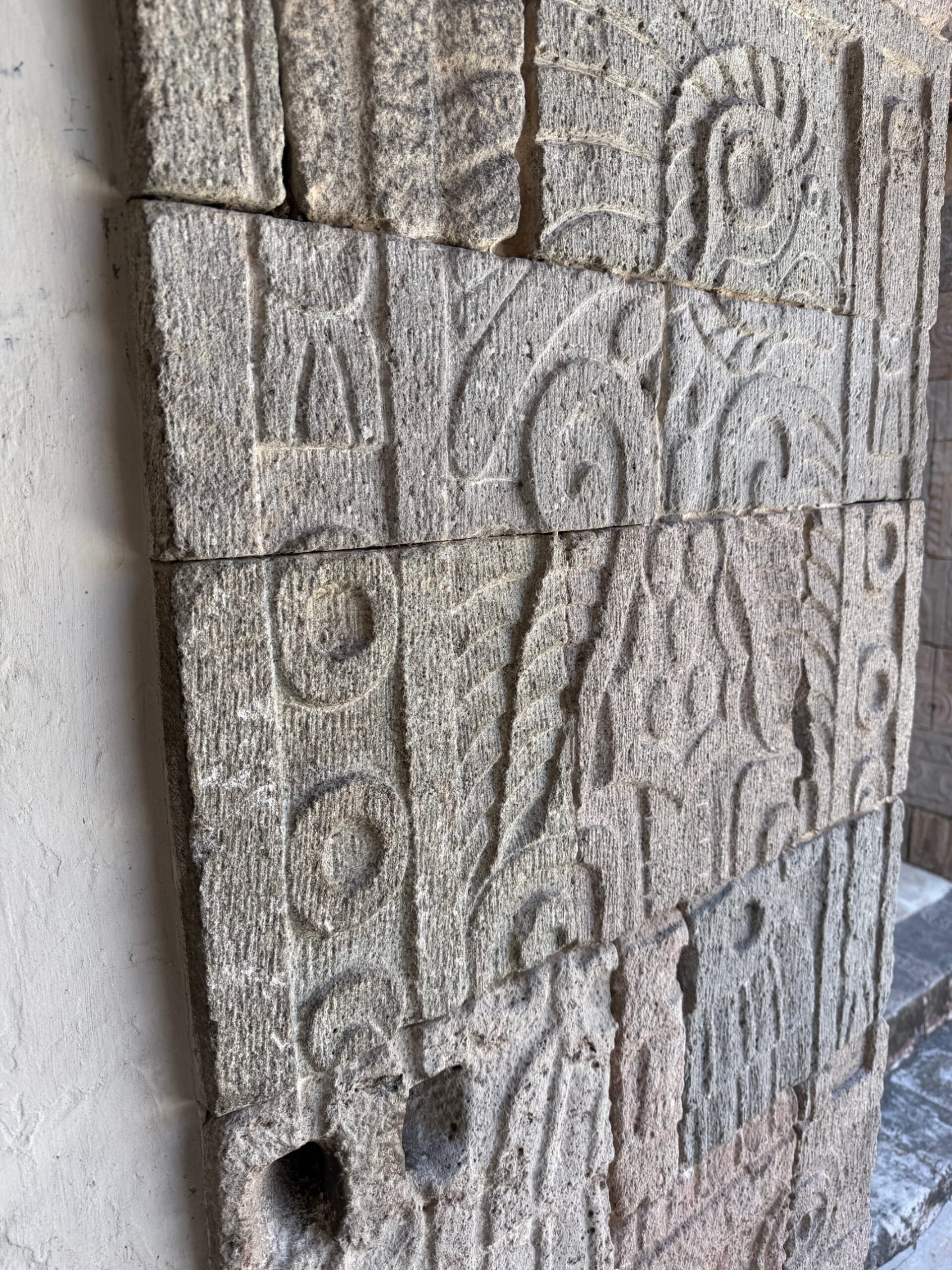
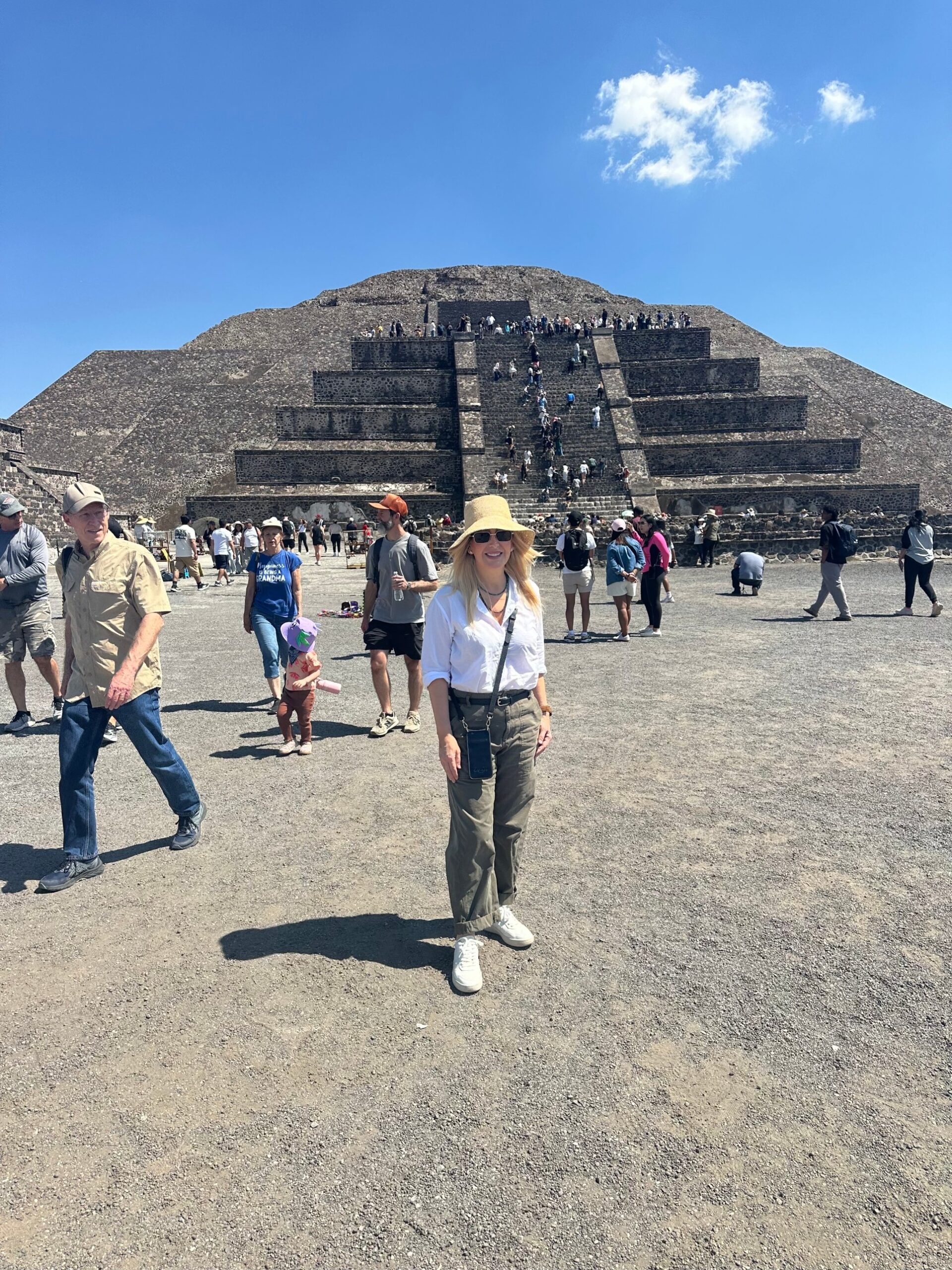
If you have time for one excursion beyond the city, make it Teotihuacán. About an hour from Mexico City, this vast archaeological site was built nearly two thousand years ago by a civilization whose history still holds many unanswered questions. Walk the Avenue of the Dead between the immense Pyramids of the Sun and Moon. The scale of the city is remarkable, and the surrounding mountains make the setting even more dramatic. Arrive early if you can, before the day becomes hotter and busier. For another perspective, sunrise hot-air balloon flights offer views across the archaeological zone and the valley beyond.

Teotihuacán, one hour north of Mexico City

There’s no way to see all of Mexico City in one visit, and I wouldn’t try. Leave with a few places still on your list, along with a favorite restaurant you already know you’ll want to return to.