Search icon
Adventure

Written by: The Va Beau Team July 6, 2026

South of france why the south of france never gets old

placeholder placeholder

Provence in summer smells of lavender and hot limestone and something faintly resinous from the pine forests, and the combination is so specific and so immediately associated with a particular quality of life that you recognize it before you’ve unpacked. The light is famous for good reason — painters spent careers trying to capture it and the best of them succeeded and still it surprises you in person.

Where to Sleep

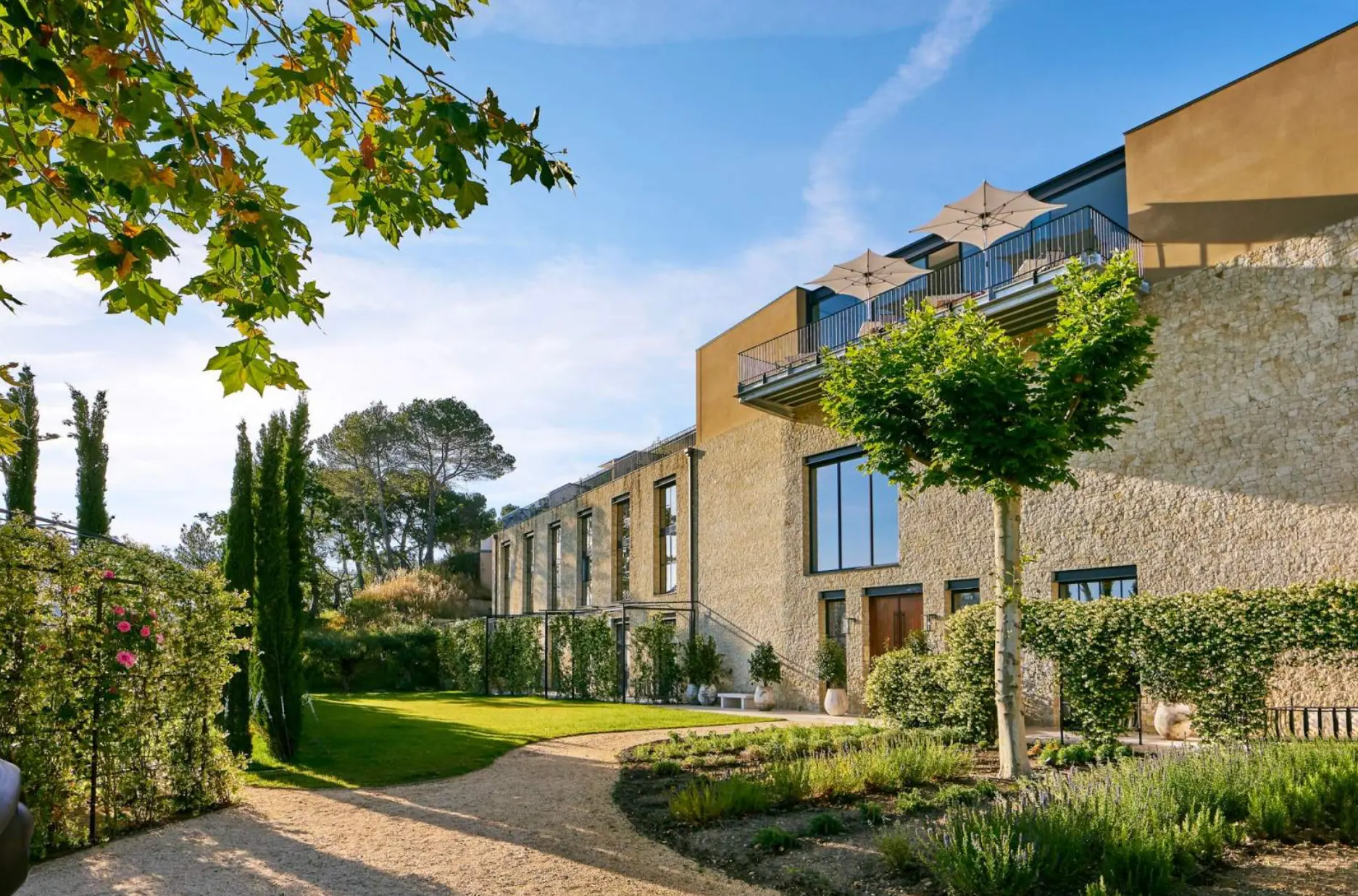
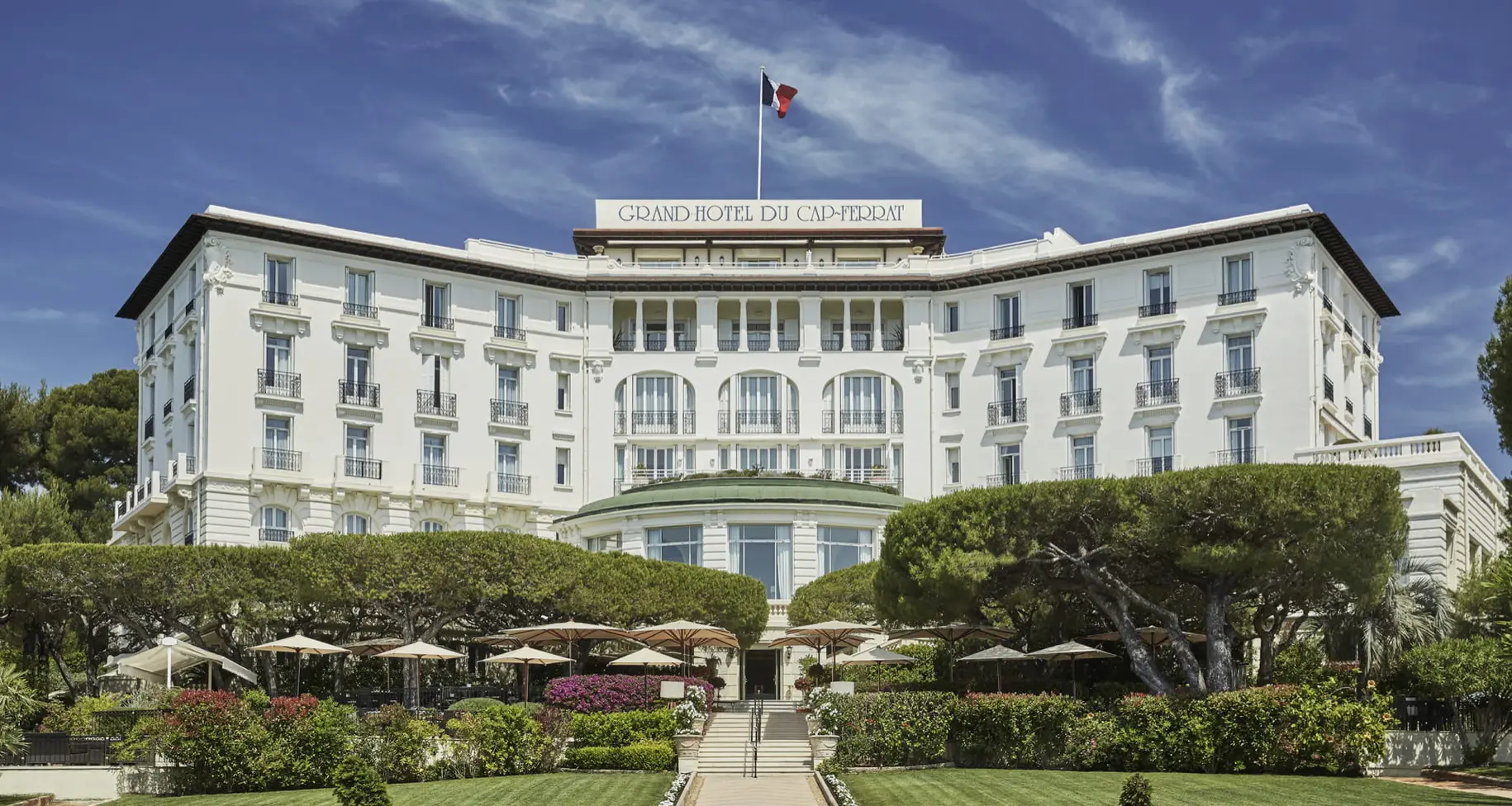
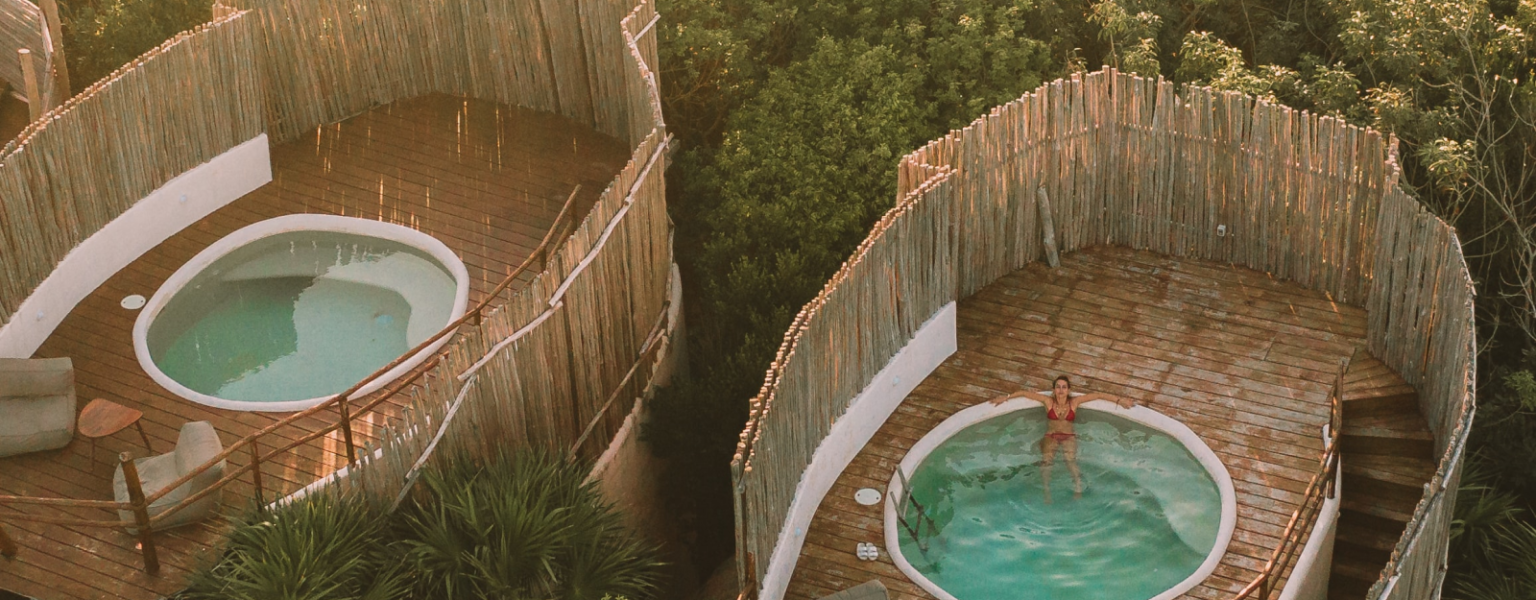
Base yourself at Villa La Coste, a working Provençal vineyard hotel with an extraordinary collection of site-specific art and architecture by Tadao Ando, Jean Nouvel, and Frank Gehry. A museum you can sleep in and drink from. Airelles Gordes, an 18th-century bastide transformed into the most theatrical hotel in the region, period detail, beautifully maintained, with a pool that has views of the Luberon that explain why people move to Provence and stay. The Grand-Hôtel du Cap-Ferrat, a Four Seasons property at the tip of the Saint-Jean-Cap-Ferrat peninsula, has an infinity pool above the Mediterranean and gardens maintained to a standard that makes other gardens feel approximate. Consistently ranked among the finest coastal hotels in the world.

THE VILLAGES

Villa La Coste

Villa La Coste, Provence

Gordes, the most photographed village in Provence, earns its reputation from every angle. Roussillon glows in ochre and red at afternoon like something is lit from within. Ménerbes is quieter, with excellent antique dealers. L’Isle-sur-la-Sorgue on Sunday mornings becomes a sprawling market of furniture and vintage textiles that rewards patience and a willingness to revise your budget.

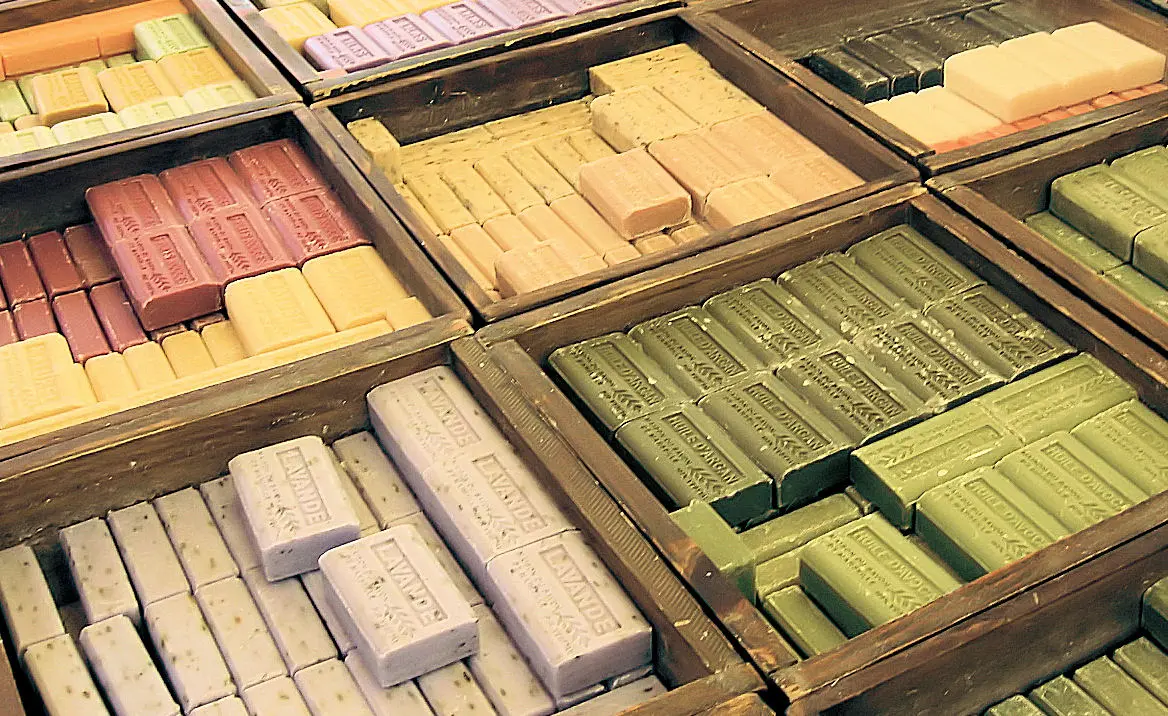
Saint-Rémy sits at the foot of the Alpilles with the self-possession of a place that has been worth visiting since before the Romans arrived. Van Gogh spent a year here. The Wednesday morning market is the best in Provence — olives, cheese, herbs tied in bundles, honey from specific bees on specific hillsides.

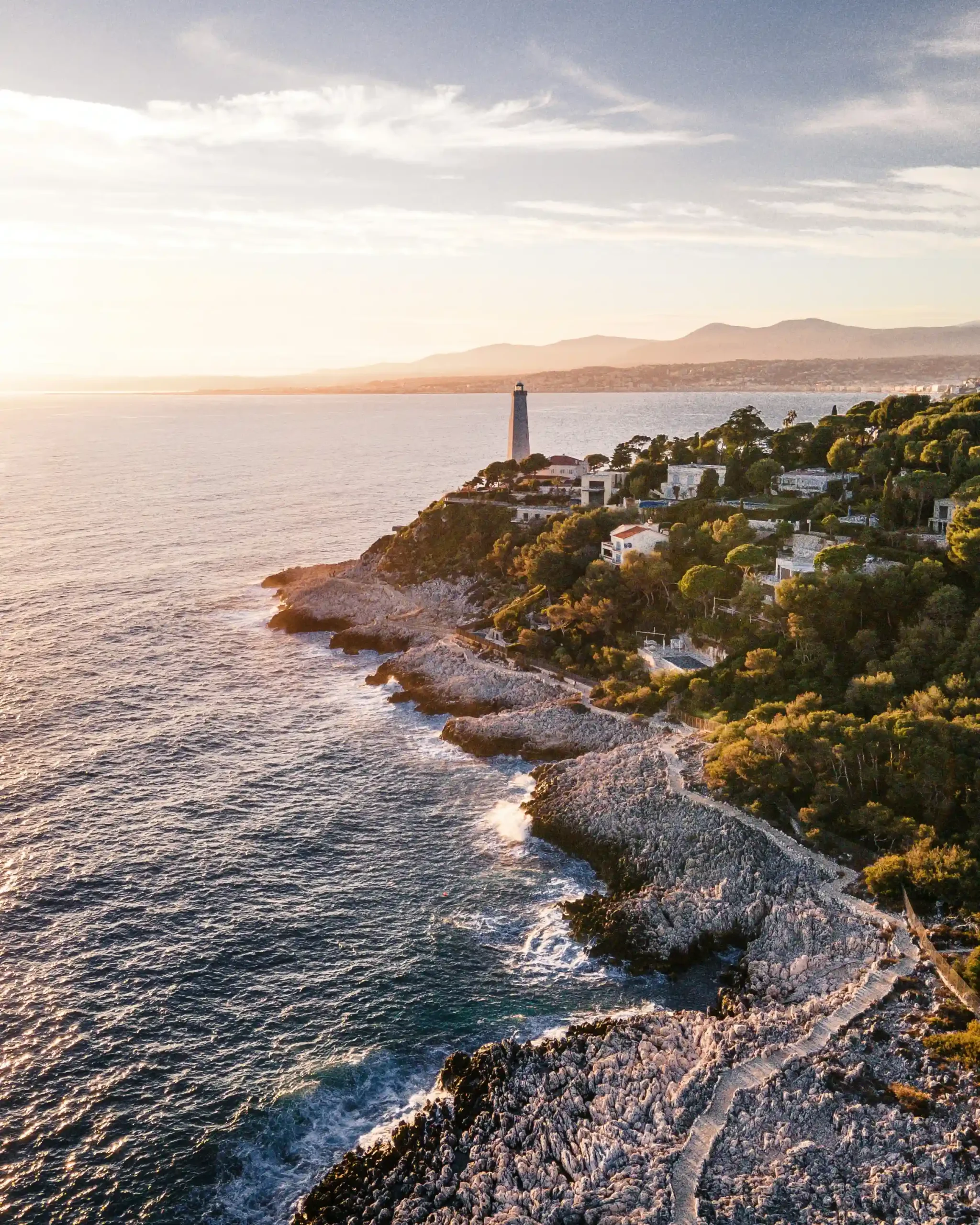
Saint-Jean-Cap-Ferrat is a narrow peninsula between Nice and Monaco lined with Belle Époque villas and gardens. Antibes has the Picasso Museum and a covered market where the socca is made in a wood-fired pan and eaten standing up. Èze, perched 430 meters above the sea on a medieval rock, rewards the climb with a view of the Mediterranean that genuinely stops conversation.

Drive South

Saint-Rémy Wednesday market
placeholder

Saint Rémy de Provence

Drive south. The air sharpens. The landscape shifts from lavender fields to salt and pine and the particular blue of the Mediterranean that doesn’t look real until you’re standing in front of it.

Nice is the anchor — a proper city with a Belle Époque seafront, the Promenade des Anglais running along the water, a Vieux Nice of baroque churches and orange facades and a covered market on the Cours Saleya where the flowers and the vegetables arrive before dawn. Walk it at sunset. The light on the water at that hour is the thing painters kept coming back for.

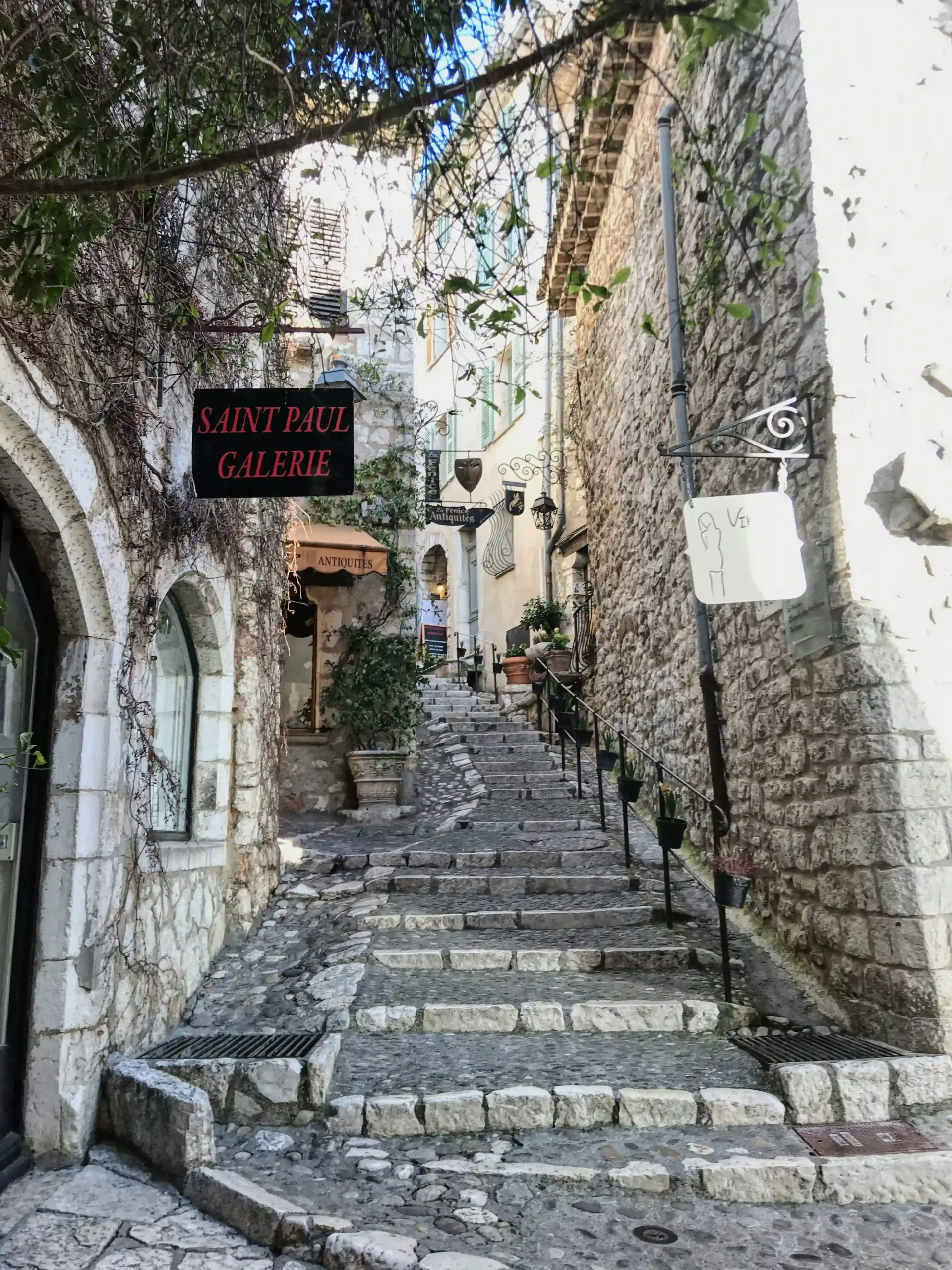
Saint-Paul-de-Vence, inland from Nice, is the hilltop village where Picasso, Matisse, Chagall, and Calder all spent significant time — the Fondation Maeght on its edge is one of the finest small modern art museums in Europe, with a sculpture garden that belongs in a different conversation from most outdoor art. The village itself is narrow lanes, ramparts, the sound of boules from the square.

La Colombe d’Or, the hotel and restaurant in the heart of the village, is where artists settled their bills with paintings when they had no money. The walls are still covered in originals — a Picasso here, a Matisse there, a Calder mobile turning slowly in the courtyard. You are not eating in a restaurant with art. You are eating inside a collection that has been accumulating for a century. Lunch on the terrace, under the fig tree, with a carafe of rosé. One of the great afternoon experiences on the Riviera. Book well ahead.

Grasse, further west in the hills above Cannes, is where almost all the world’s luxury perfume is sourced — the climate and soil produce flowers of a fragrance intensity that can’t be replicated anywhere else. Chanel, Dior, Guerlain all buy their jasmine and rose de mai here. The perfume houses offer factory tours, but the better experience is simply walking through the old town in May when the flowers are being harvested and the whole hillside smells of something you can’t describe but will never forget.

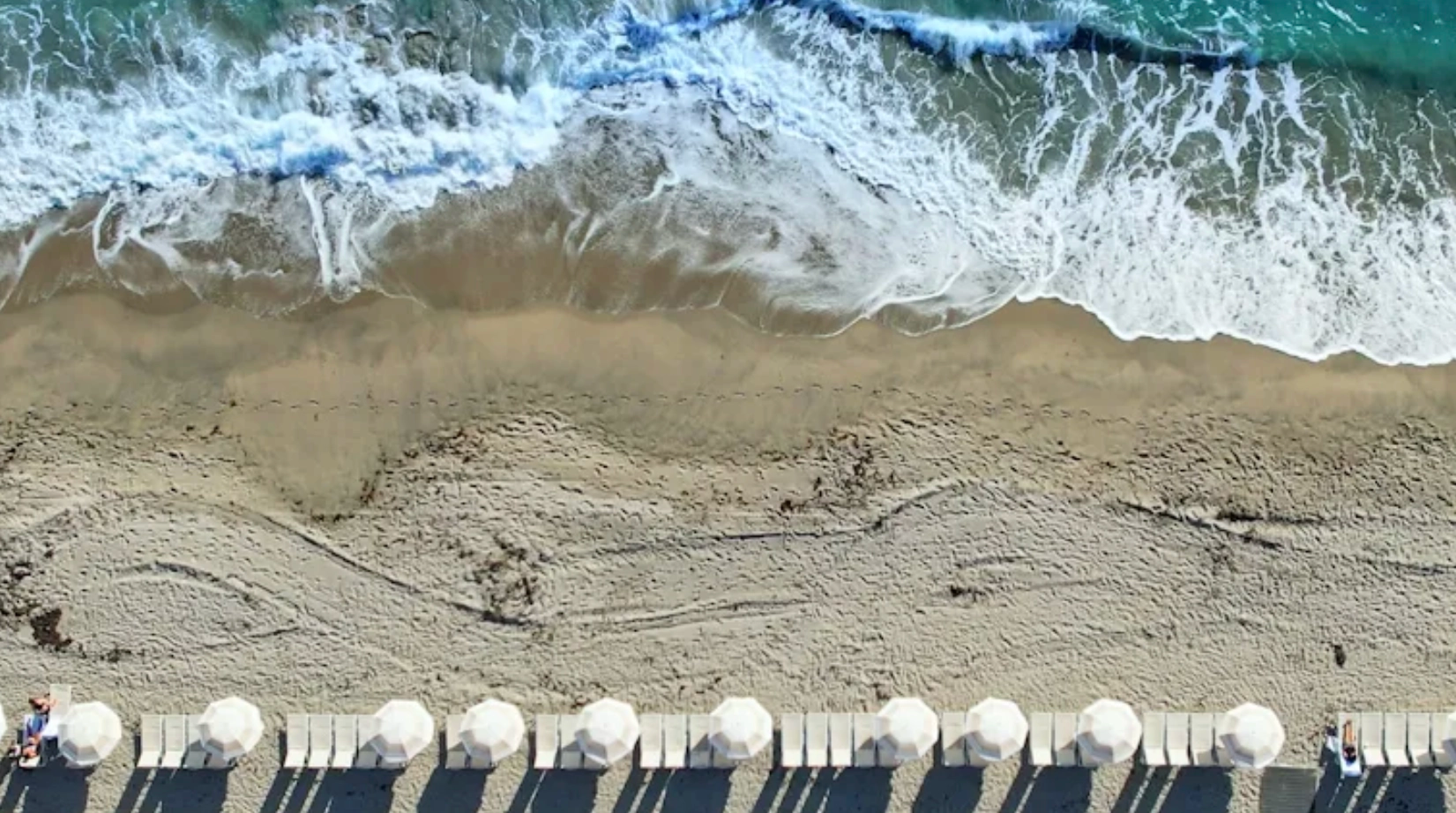
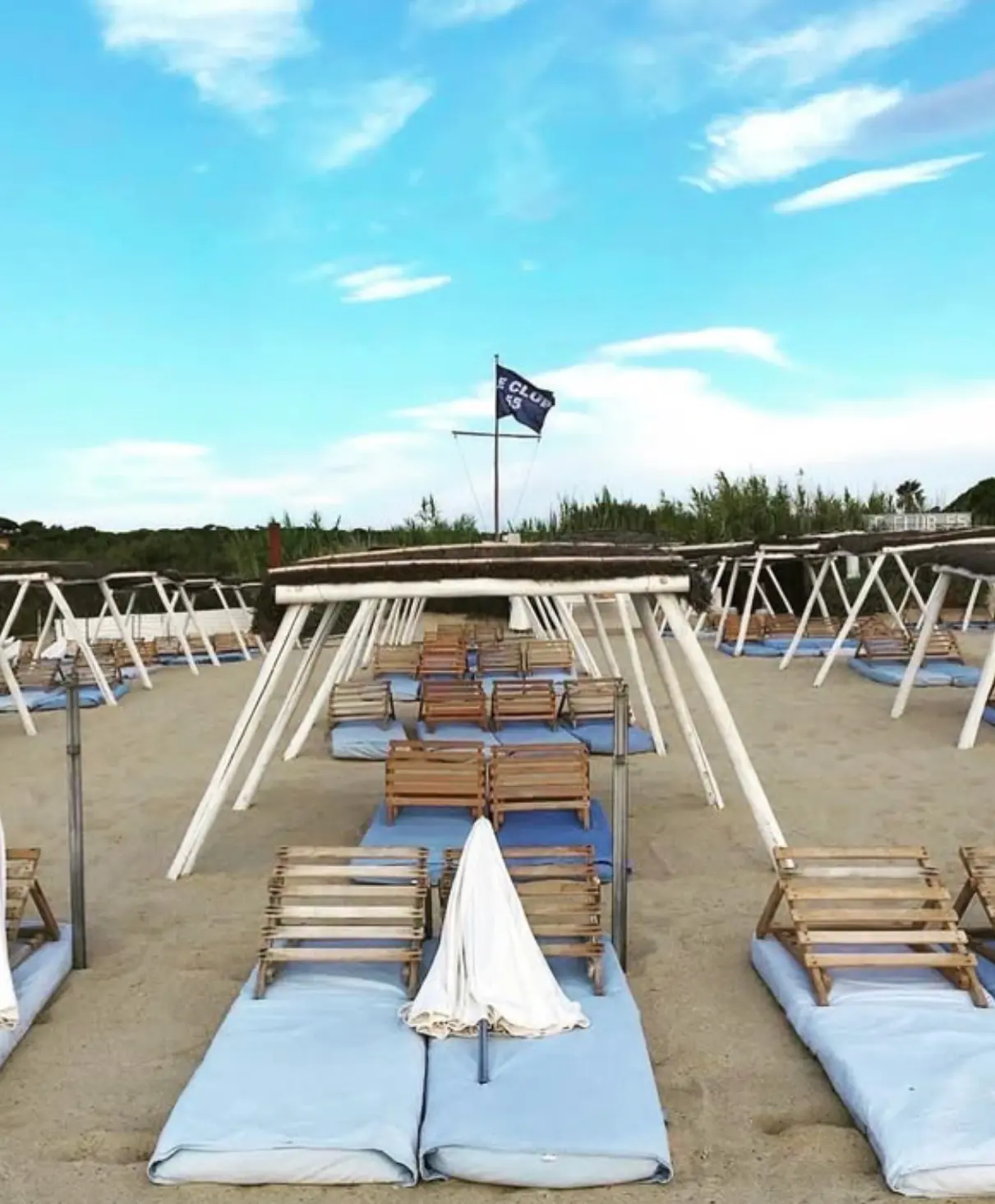
Saint-Tropez is exactly what it is — glamorous, crowded in August, and still worth it. Pampelonne Beach, a few kilometers from the town, is where the beach clubs are. Club 55, which has been there since Brigitte Bardot filmed And God Created Woman on the beach in 1956, is the institution — simple Provençal food, good rosé, the right crowd, entirely itself for nearly seventy years. Book weeks ahead in summer.

For something quieter: Ramatuelle, the village just above Pampelonne, feels like the Saint-Tropez that existed before the photographers arrived. The market, the ramparts, the lanes. Loulou Ramatuelle is the beach club here — relaxed, genuinely chic, the kind of day that transitions into sunset cocktails without anyone quite deciding to stay.

Courtesy of Club 55,Pampelonne Beach
Sant Paul de vence

Saint Paul de Vence

Grand-Hôtel du Cap-Ferrat

Grand-Hôtel du Cap-Ferrat

The table that everyone on the Riviera eventually finds is La Guérite — a Mediterranean restaurant and beach club on Île Sainte-Marguerite, one of the Lérins Islands off Cannes, reachable only by a short boat ride from the old port. It has been here since the 1930s in various forms and the current version, run by Chef Yiannis Kioroglou, is the right combination of extraordinary setting and food that actually justifies the journey. Lunch under pine umbrellas with your feet near the sand and the whole bay of Cannes visible across the water. This is what the South of France is for.

La Petite Maison Cannes, at the legendary Palm Beach, is the other essential meal — a Mediterranean institution that has been feeding the Riviera’s creative and social class for decades. People-watching of the highest order. Food that knows exactly what it is.

For a slower afternoon: Paloma Beach on Cap Ferrat is the discreet local favourite, quieter than the famous hotel beaches and all the better for it. The Villa Ephrussi de Rothschild, the Belle Époque pink palace built between 1905 and 1912 on a narrow strip of land between the Mediterranean and the Bay of Villefranche, is one of the great houses of the Riviera — nine themed gardens, a collection of 18th-century decorative arts, and views in both directions over the water. Most visitors spend twenty minutes and leave wishing they’d spent the afternoon.

Côte d'Azur coastline — Saint-Jean-Cap-Ferrat peninsula from above

The Côte d'Azur