
Search icon
Adventure

Written by: The Va Beau Team July 6, 2026

Japan tokyo, kyoto, and the space between

Kyoto in autumn placeholder

Japan is the most refined travel destination on earth and by some distance. This is not a subjective claim. It is a measurable one. Tokyo has more Michelin stars than any other city on the planet. Kyoto has more UNESCO-recognized cultural properties than almost anywhere else. The bullet train connecting them runs at 320 kilometers per hour and is, in thirty years of operation, never once been involved in a fatal accident. The toilets have heated seats and twelve functions. The convenience store sandwiches are better than the café sandwiches in most European cities.

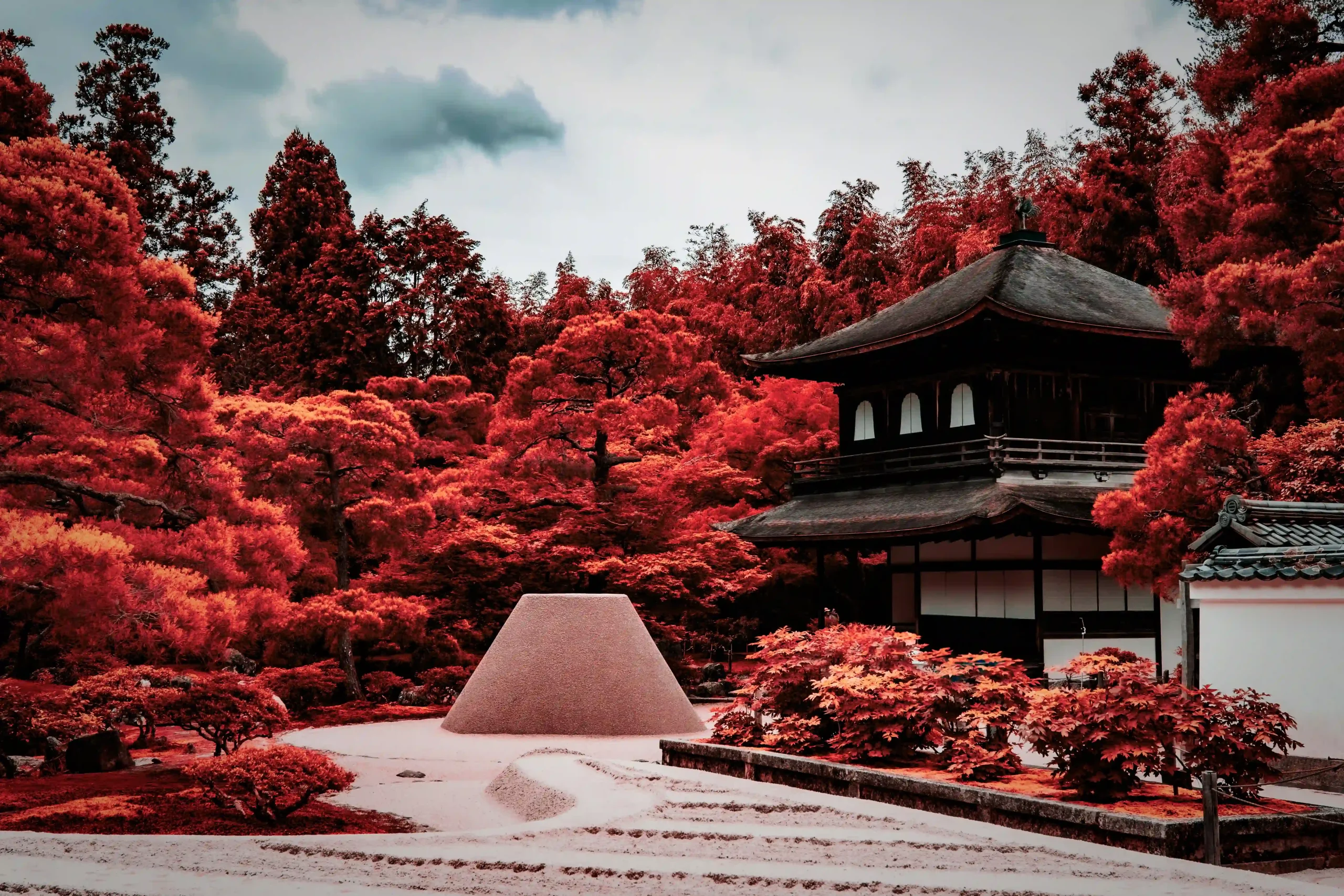
But none of that is why Japan does what it does to people. What Japan does to people is make them feel, for the first time in a long time, that they are paying attention. The country operates at a frequency that rewards close observation — the way a shopkeeper folds tissue paper around a purchase, the arrangement of stones in a temple garden that has been raked the same way every morning for four hundred years, the bowl of ramen served at a counter at 11pm that has been thought about by one person for their entire professional life. Japan gives you the feeling that everything around you has been considered. It is, in the end, the most relaxing country you will ever visit.

TOKYO

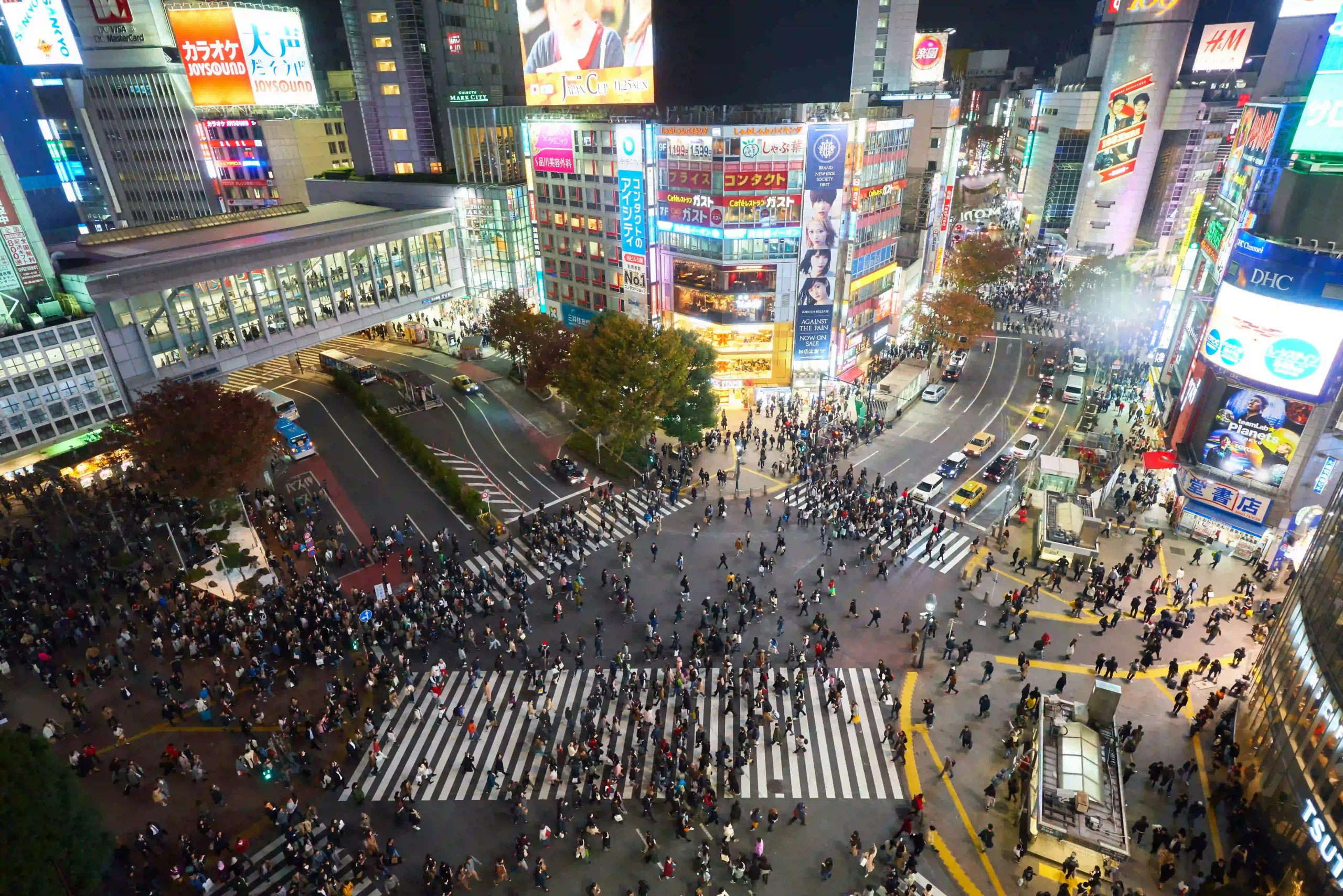
Shibuya Crossing at night - image credit - timo-volz
Aman Kyoto - Image credit Aman

Tokyo; Aman Tokyo

Tokyo is 14 million people and it runs like a watch. The trains arrive within seconds of their scheduled time, every time. The queues form with geometric precision. Noise is managed — the city has designated quiet zones, and they are quiet. In thirty-six hours you will stop noticing how organized it all is because it becomes the baseline. This is the uncanniest thing about Tokyo: its normalization of the extraordinary.

Shibuya Crossing is exactly what the photographs suggest and better in person because the photographs don’t show you the scale or the sound — hundreds of people crossing simultaneously in every direction on a green light, then the light changes and it all starts again. Go at night when the advertising screens are lit.

Yanaka is the Tokyo neighborhood that survived the firebombing of 1945 more or less intact, and it has the quality of a different city — narrow lanes, old wooden houses, temple grounds, cats sleeping in the sun, a cemetery full of 19th-century graves. Walk it on a weekday morning.

Shinjuku’s Golden Gai is a network of lanes so narrow two people can barely pass, lined with bars each holding between four and eight people, run by a single person, with a specific aesthetic and a specific clientele and a specific playlist and absolutely no resemblance to each other. The area has been the creative underground of Tokyo since the 1960s. Go late. Go to one bar, then another, then another.

The food requires its own article. Start with ramen and sushi and tempura and yakitori and go from there. The counter sushi in Ginza that requires a six-month reservation and twelve courses over two hours. The standing ramen shop under the train tracks that has been in the same spot since 1954 and serves one thing. Both essential. Neither optional.

Aman Tokyo, a sky-high sanctuary in the Otemachi district combining traditional Japanese materials — washi paper, hinoki wood, stone — with contemporary design, is the finest hotel in the city. Park Hyatt Tokyo, which appears in Lost in Translation and has not aged in the way that movie references usually make places age, remains one of the great city hotels in Asia.
KYOTO

Aman Kyoto - Image credit Aman

Aman Kyoto

Kyoto requires a different pace from Tokyo. The city was the imperial capital for over a thousand years and it holds that history in its bones — in the temple gardens, the Nishiki Market, the machiya townhouses that line the lanes of Gion, the preserved geisha districts where the traditions of the 17th century are maintained with an intensity that seems, in the 21st century, either noble or bewildering or both.

The Fushimi Inari shrine, with its thousands of vermilion torii gates climbing Mount Inari, is the image most people know. Go at 6am. Walk up the mountain through the gates in the early light when they are nearly empty and the filtered color of the morning through the lacquered wood is something that cannot be photographed adequately. By 10am it is crowded. At 6am it is something else entirely. Set the alarm.

Arashiyama bamboo grove: same principle. Go at dawn. The light through the bamboo is extraordinary. The crowds arrive by 9. You have a narrow window.

Gion in the early evening, when the machiya glow from within and the streets are quiet enough to hear footsteps. If you are in the right alley at the right hour a maiko — apprentice geisha — will appear briefly, moving quickly in silk and white makeup, before disappearing behind a door. It happens in a second. It stays with you for much longer.

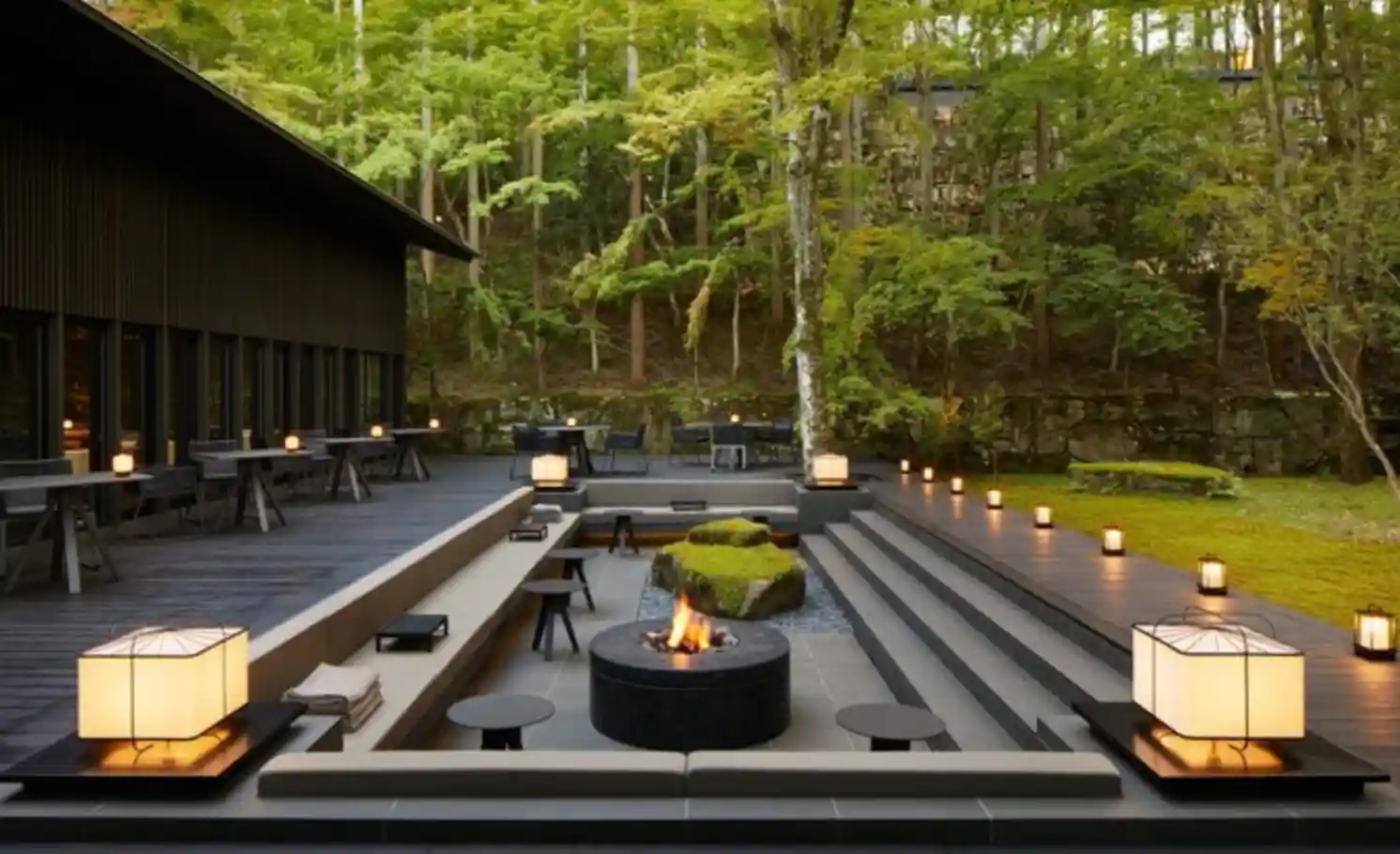
The ryokan experience — tatami rooms, yukata robes, an onsen bath, kaiseki dinner served course by course over two hours — is one of the most considered hospitality traditions on earth. Aman Kyoto, a secret garden sanctuary at the foot of a forested mountain with a seven-hundred-year-old stone path, is the finest version of it. Tawaraya, the 300-year-old inn in central Kyoto with a guest list that includes most of the 20th century’s significant figures, is the most historically significant.

Get Out of the City

Mount Fuji Image credit - mon-jester

Mount Fuji from Hakone

Hakone is an hour from Tokyo by train and is where you go for the onsen and, on clear days, for Fuji. The mountain appears above the cloud line like something too large and too perfect to be real, its snow-capped cone visible from the open-air baths of the ryokans on the caldera rim. Days when Fuji appears are considered auspicious. They are also simply beautiful.

Hiroshima was rebuilt from absolute destruction — the atomic bombing on August 6, 1945 killed an estimated 140,000 people. The city that exists today has been rebuilt on top of that destruction, and it is a functioning, vital, contemporary Japanese city. The Peace Memorial Museum is the most important cultural institution in Japan. Go. The walk from the museum to the A-Bomb Dome — the skeletal remains of the Hiroshima Prefectural Industrial Promotion Hall, preserved exactly as the bomb left it — is not a comfortable walk. It is a necessary one.

Naoshima, in the Seto Inland Sea, is an art island: fishing village and ferry terminal and then, unexpectedly, major works by James Turrell and Walter De Maria and a building by Tadao Ando that houses a Monet series in underground galleries lit by natural light that changes with the weather. Take the ferry from Uno. Stay overnight.