Search icon
Adventure

Written by: Lauren Shuster May 20, 2026

Mexico city: the city that reveals itself slowly

Mexico City doesn’t hand itself over on day one. You’ll think you’ve figured it out by the second afternoon, then spend the rest of the week discovering how wrong you were. That’s the best possible outcome, and the reason so many people keep coming back. It’s also enormous. More than twenty-one million people spread across an ancient lake bed 7,300 feet above sea level, with neighborhoods that behave like independent towns, each with its own rhythm, personality and opening hours. A week isn’t too long. Four days is the honest minimum. Where you stay matters more than which hotel you choose.


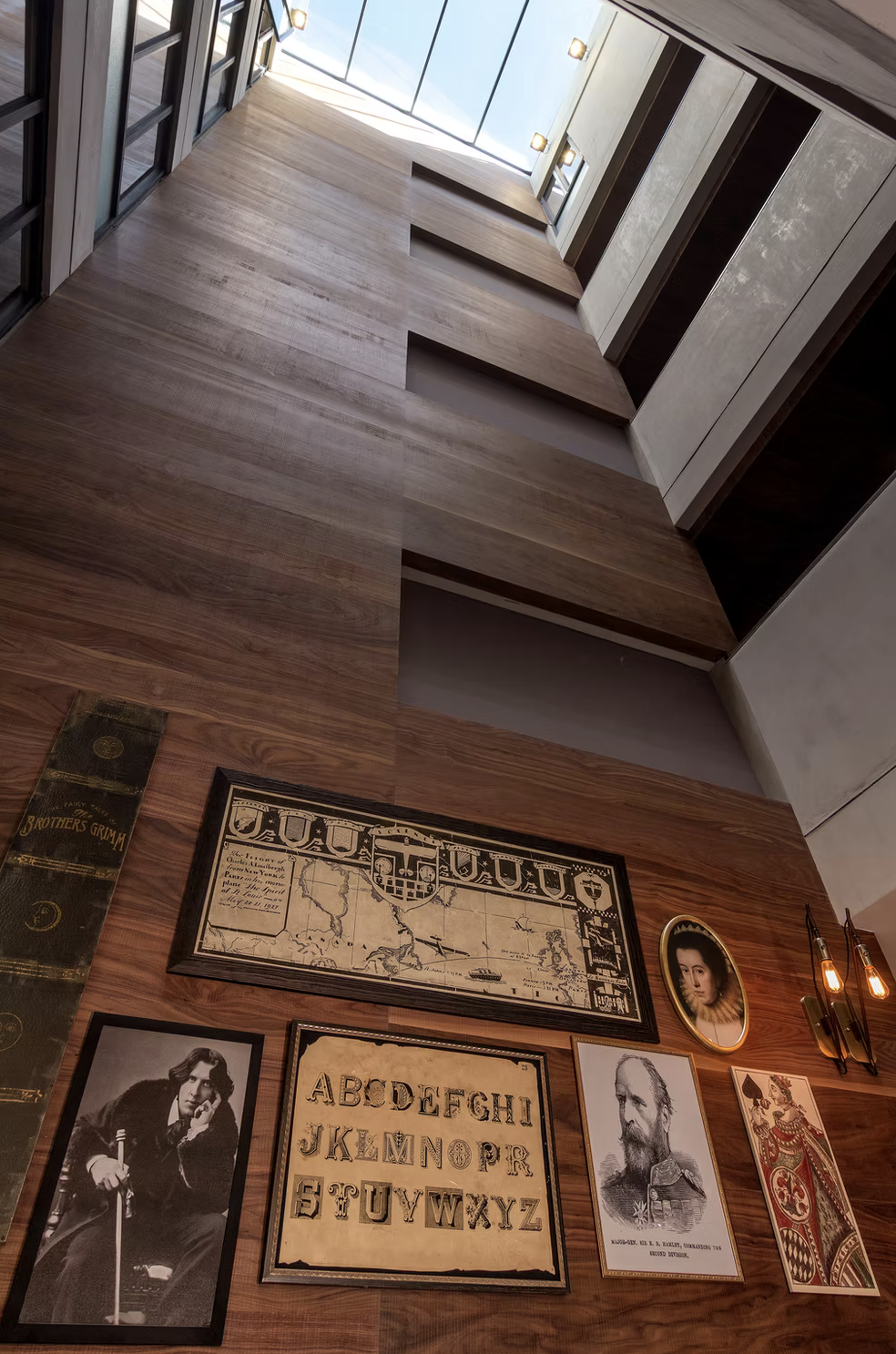
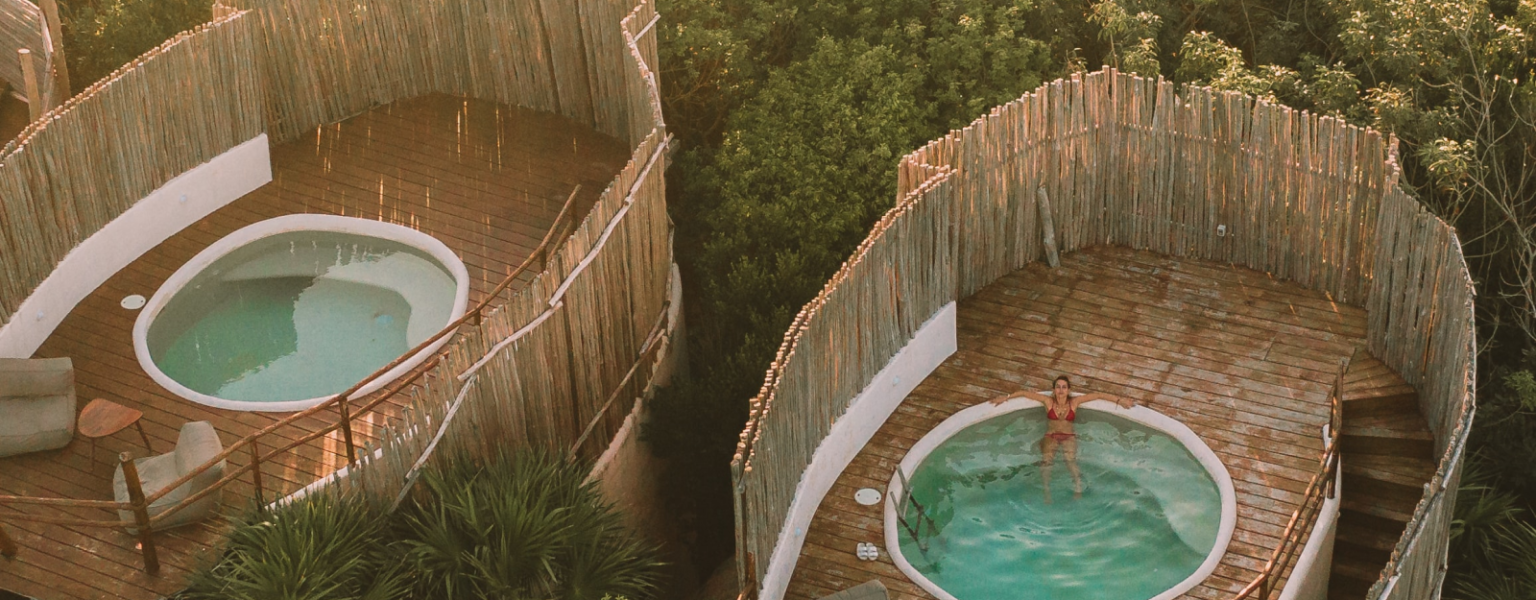
Campos Polanco is the under-the-radar favorite. Michelin-recognized, intimate and beautifully designed, it feels more like staying in an impeccably curated private residence than a hotel. There’s no theatrical lobby, no unnecessary performance, just thoughtful service and a calm that quietly reminds you how much hotel spectacle you’ve come to accept elsewhere. Casa Polanco is the hotel everyone is talking about. A restored 1940s mansion with just nineteen rooms, it combines residential elegance with museum-worthy art and the kind of personal attention only a boutique property can genuinely deliver. If classic luxury is more your style, Las Alcobas remains one of the city’s most polished addresses, discreet, refined and deeply service-oriented. The Four Seasons still revolves around one of Mexico City’s most beautiful courtyards, although it’s worth checking the status of its ongoing renovations before booking. The Ritz-Carlton delivers sweeping skyline views and every luxury you’d expect from the brand, though it sacrifices a little personality in a city overflowing with character. For travelers seeking value without compromise, Wild Oscar is the smartest choice. Stylish, contemporary and consistently better priced than many of its competitors, it punches above its weight. Condesa DF still has one of the city’s best rooftops and undeniable cool factor, but if a good night’s sleep matters as much as a good Instagram photo, Wild Oscar is the better bet.


Condesa and Roma Norte

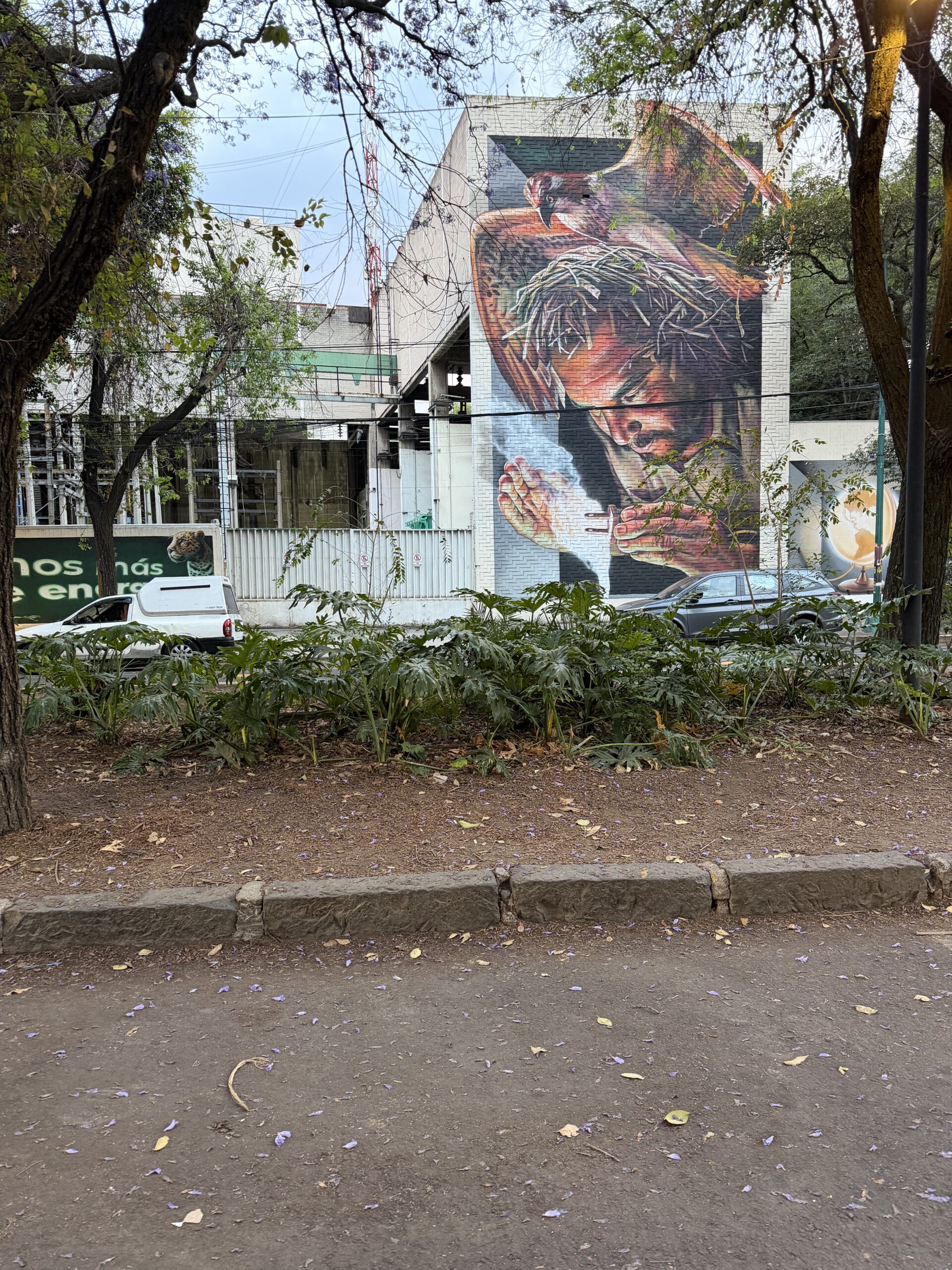
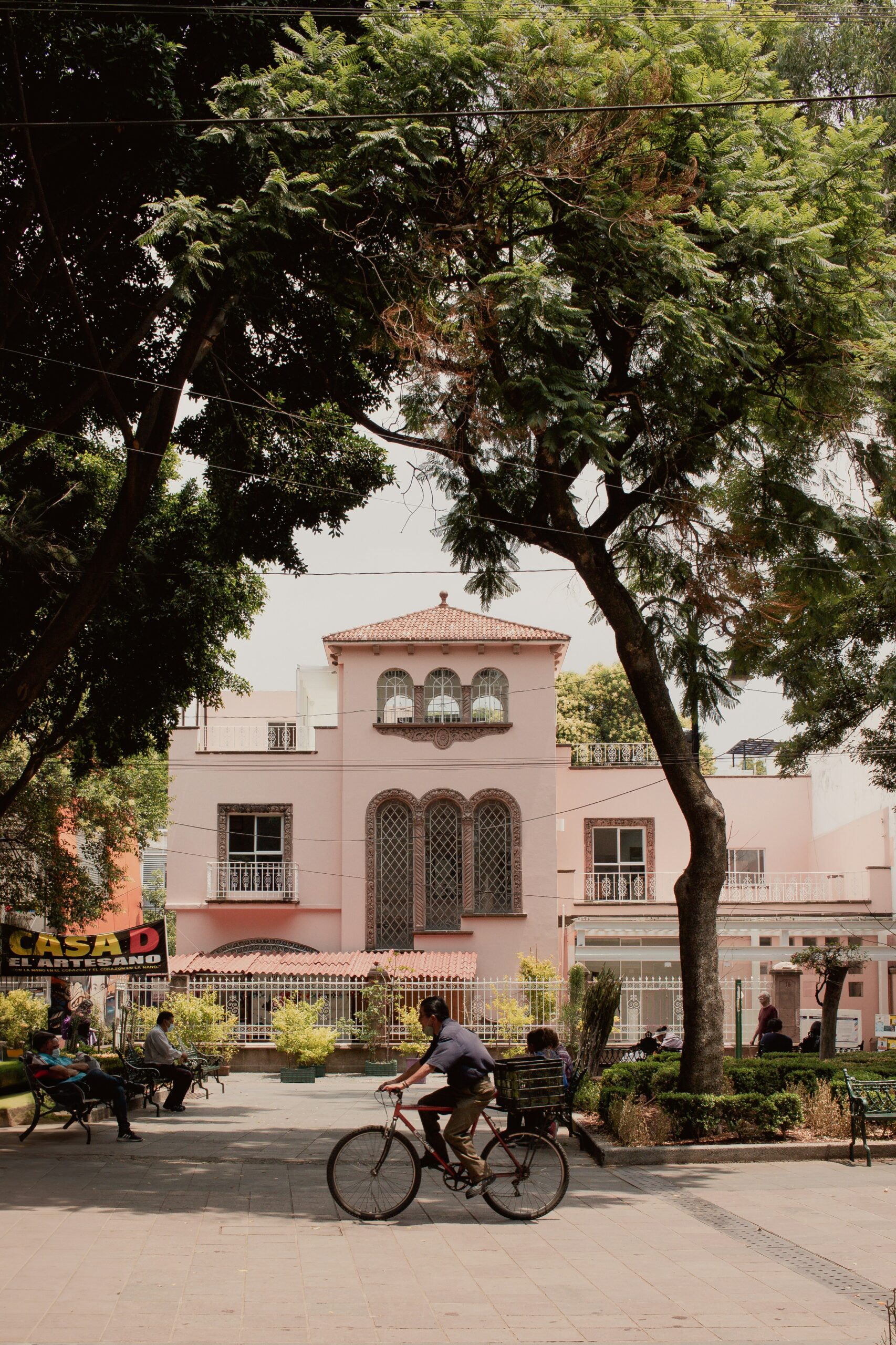
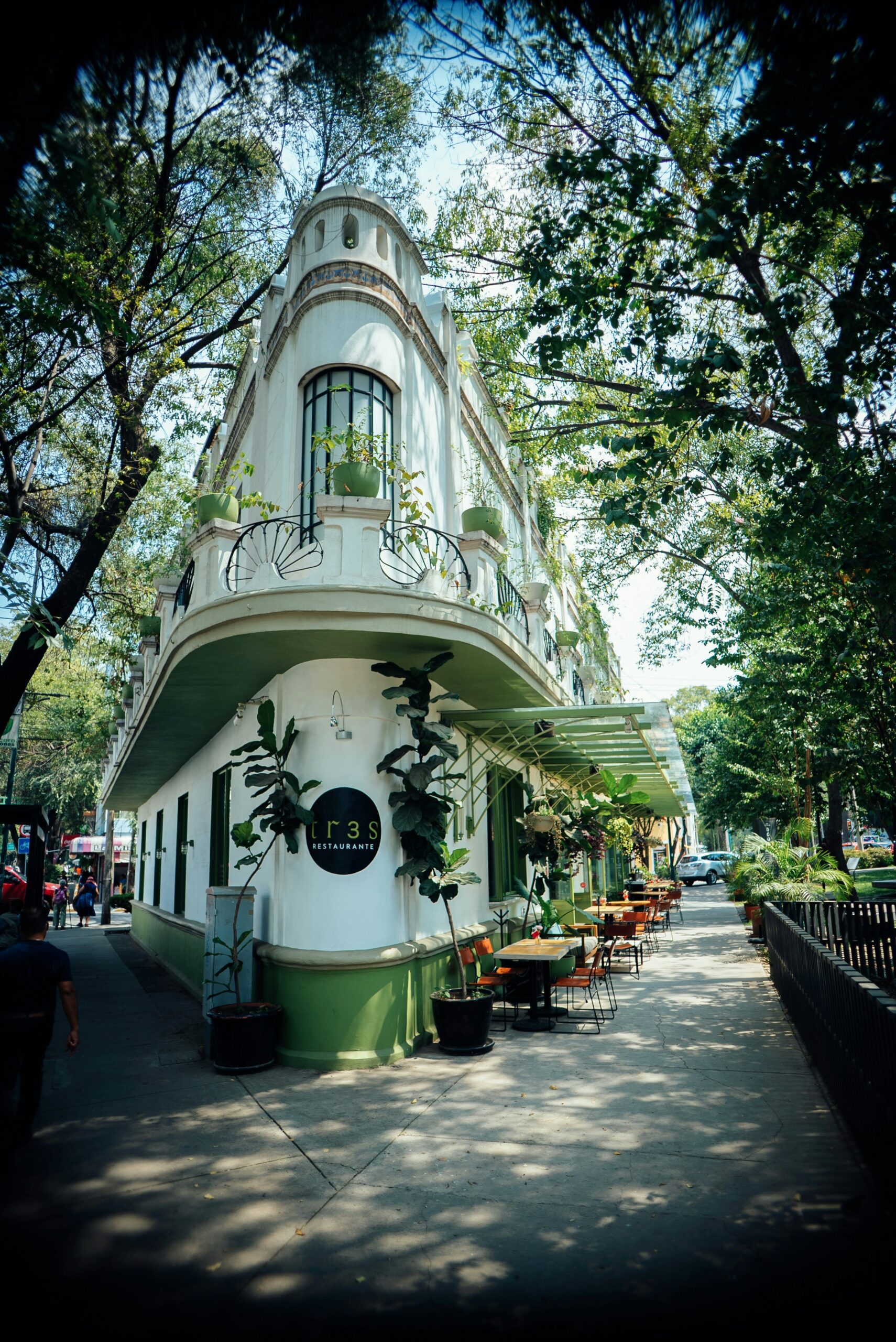
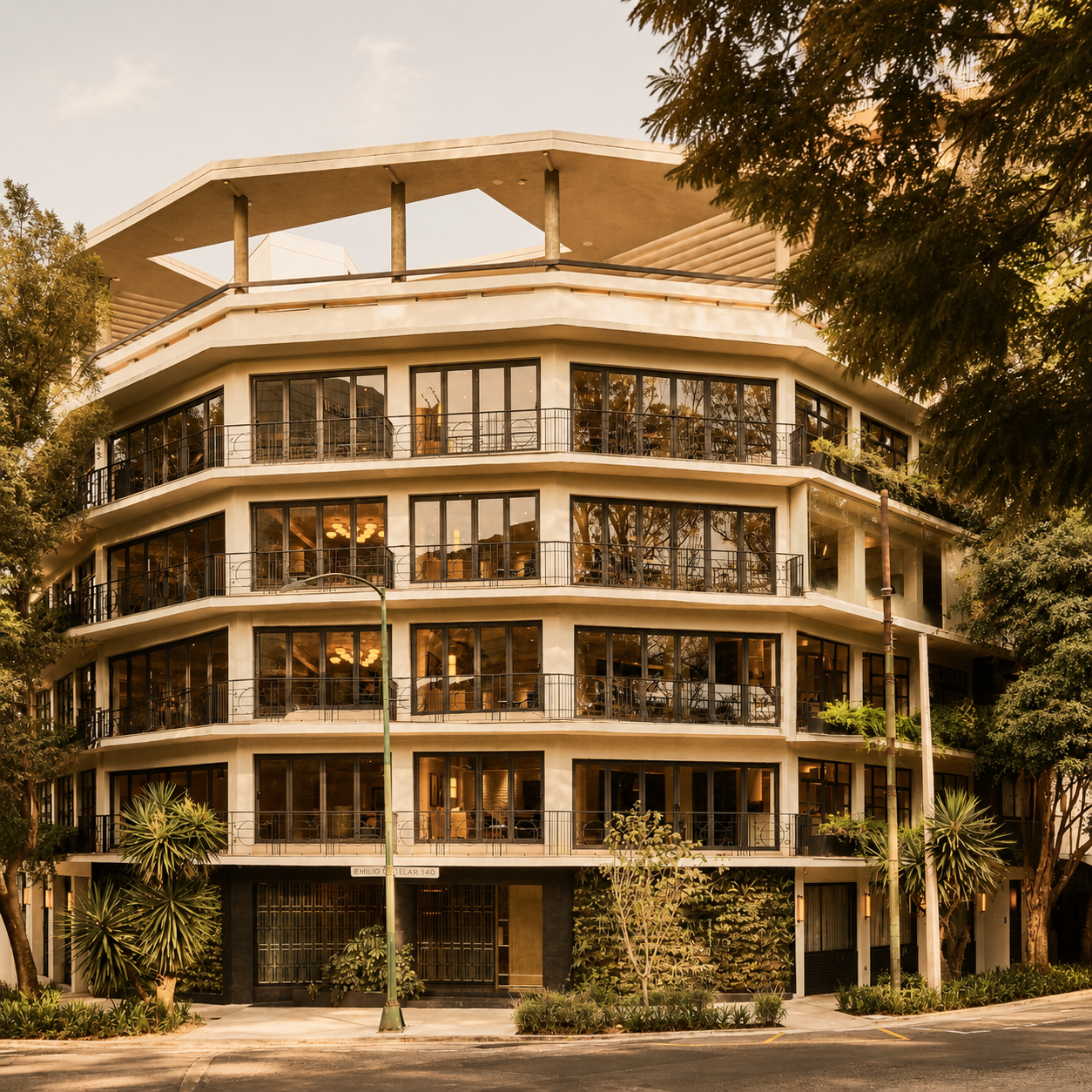
Begin in Condesa. Walk Amsterdam Avenue, the graceful oval boulevard built on the footprint of an old horse racetrack, then wander through Parque México where locals walk their dogs, read beneath towering trees, meet friends for coffee and simply enjoy the art of lingering. Condesa feels lived-in rather than curated, and that’s exactly its appeal. The leafy streets, Art Deco buildings and relaxed pace make it one of those neighborhoods that immediately feels familiar. Roma Norte offers a different energy. If Condesa is relaxed sophistication, Roma is creative momentum. Calle Colima is its spine, lined with independent boutiques, cafés, galleries and restaurants that reward anyone willing to wander without a plan. Think of it as Mexico City’s answer to New York’s West Village, only with better weather and significantly better tacos.

Polanco is the city’s most polished neighborhood. Wide tree-lined avenues, international flagships, elegant cafés and some of Mexico’s finest restaurants all converge here. El Palacio de Hierro is worth visiting even if you aren’t shopping. Prada, Saint Laurent, Loewe and countless luxury brands occupy one beautifully designed department store that feels more like an architectural destination than a mall. If you’re looking for Mexico City’s highest concentration of luxury boutiques, however, drive fifteen minutes south to Artz Pedregal. Located in Jardines del Pedregal, the extraordinary neighborhood master-planned by legendary architect Luis Barragán across ancient volcanic lava fields, Artz Pedregal reflects another side of Mexico City entirely. Chanel, Hermès, Dior, Cartier, Louis Vuitton and Gucci sit alongside permanent installations by Ai Weiwei and Daniel Buren inside an elegant complex designed by Sordo Madaleno Arquitectos. Even if you buy nothing, it’s worth seeing. While you’re nearby, make time for Casa Luis Barragán. The architect’s former home and studio is now a UNESCO World Heritage Site and one of the most extraordinary interiors anywhere in Mexico. Every room demonstrates Barragán’s mastery of color, light and proportion. Tours sell out weeks in advance, so reserve before you leave home.

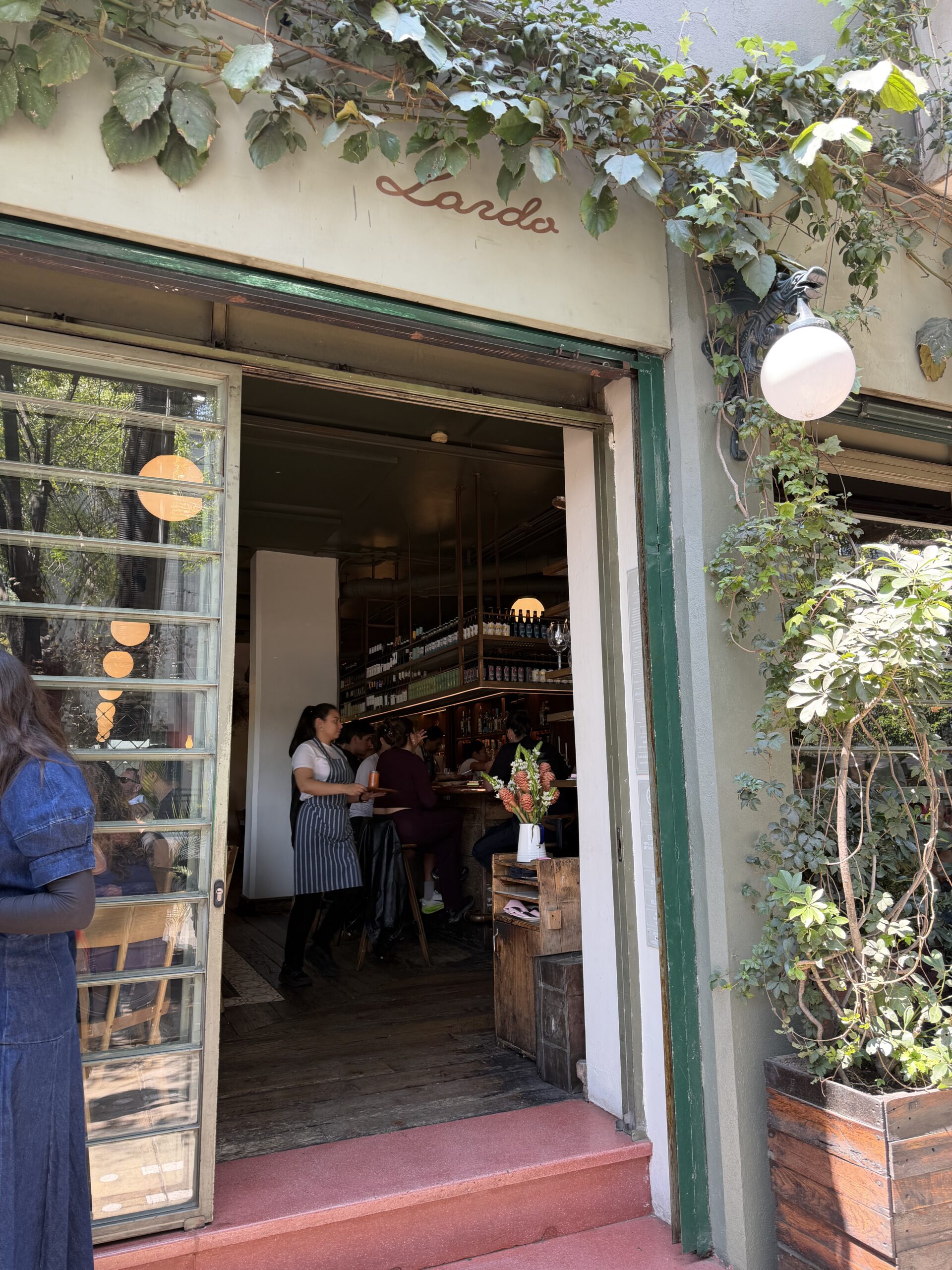
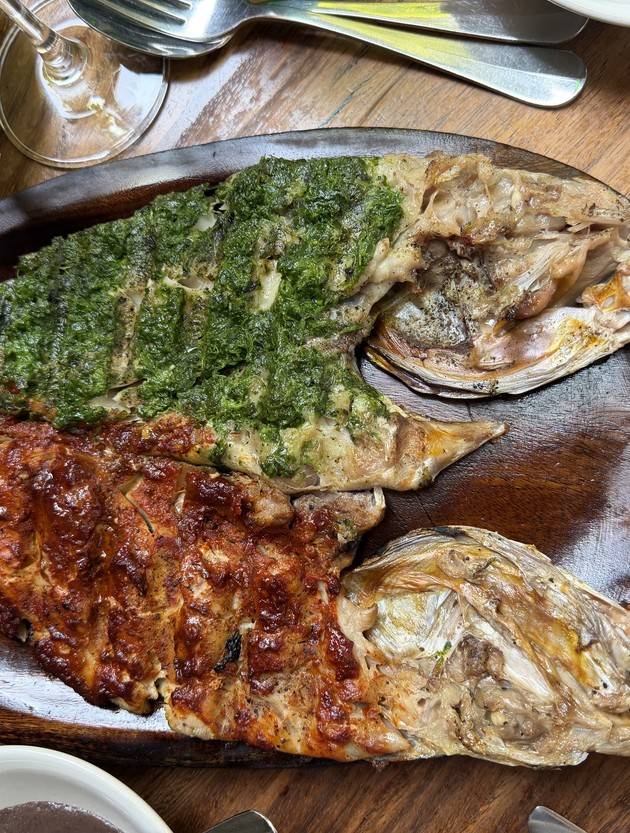
Contramar is an institution. Gabriela Cámara has been serving some of Mexico City’s finest seafood here since 1998, and the restaurant has reached that enviable point where it no longer has anything to prove. The dining room is lively without feeling chaotic, filled with regulars, visitors and long lunches that stretch comfortably into the afternoon. Start with the tuna tostadas before ordering the legendary pescado a la talla, an entire snapper grilled with smoky red adobo on one side and bright parsley sauce on the other, served with warm tortillas so everyone can build their own tacos. Lotti, tucked along Calle Colima, has quickly become one of the city’s most exciting reservations. Chef Luc Liebster trained at Vienna’s Steirereck before returning to Mexico to work at Pujol, and named the restaurant after his grandmother. His cooking blends European precision with Mexican ingredients in a way that feels deeply personal rather than performative. As with many ambitious first restaurants, not every dish lands equally. But when it does, it’s unforgettable. The dehydrated watermelon sounds almost too clever on paper yet turns out to be one of the menu’s most restrained and elegant dishes. The El Dorado rockfish, gently cooked confit and served with legumes and a rich vin jaune sauce, is worth planning your evening around. Lardo, just off Amsterdam Avenue on Agustín Melgar, remains one of the city’s great daytime restaurants. Bright, relaxed and unmistakably European in spirit, it’s the sort of café where breakfast casually turns into lunch. Order the eggs wrapped in fragrant hoja santa with fresh cheese and settle in. Panadería Rosetta, a few blocks away on Colima, usually has a line outside. Join it. The guava pastry deserves every bit of its reputation: buttery, flaky and just sweet enough. You’ll almost certainly find yourself thinking about it somewhere over Texas on the flight home.

Design, books and fashion

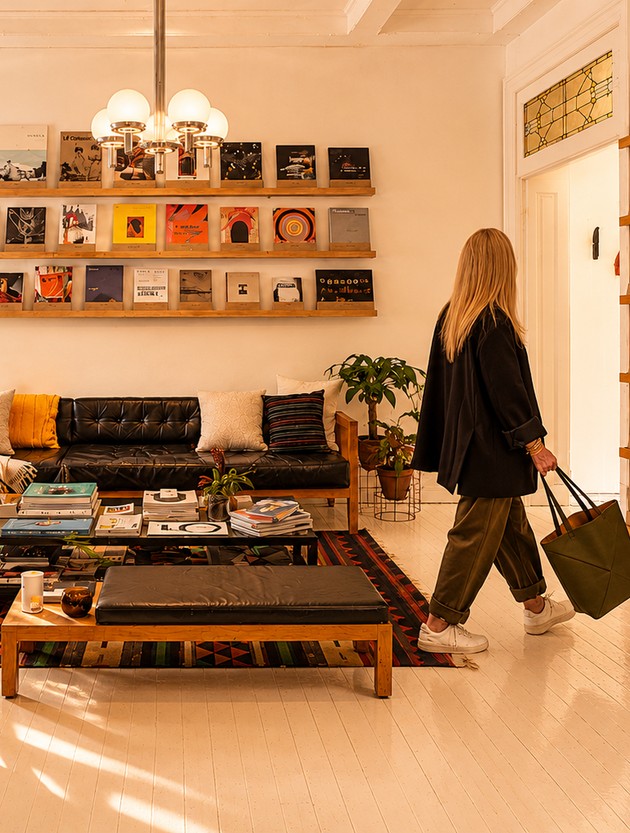
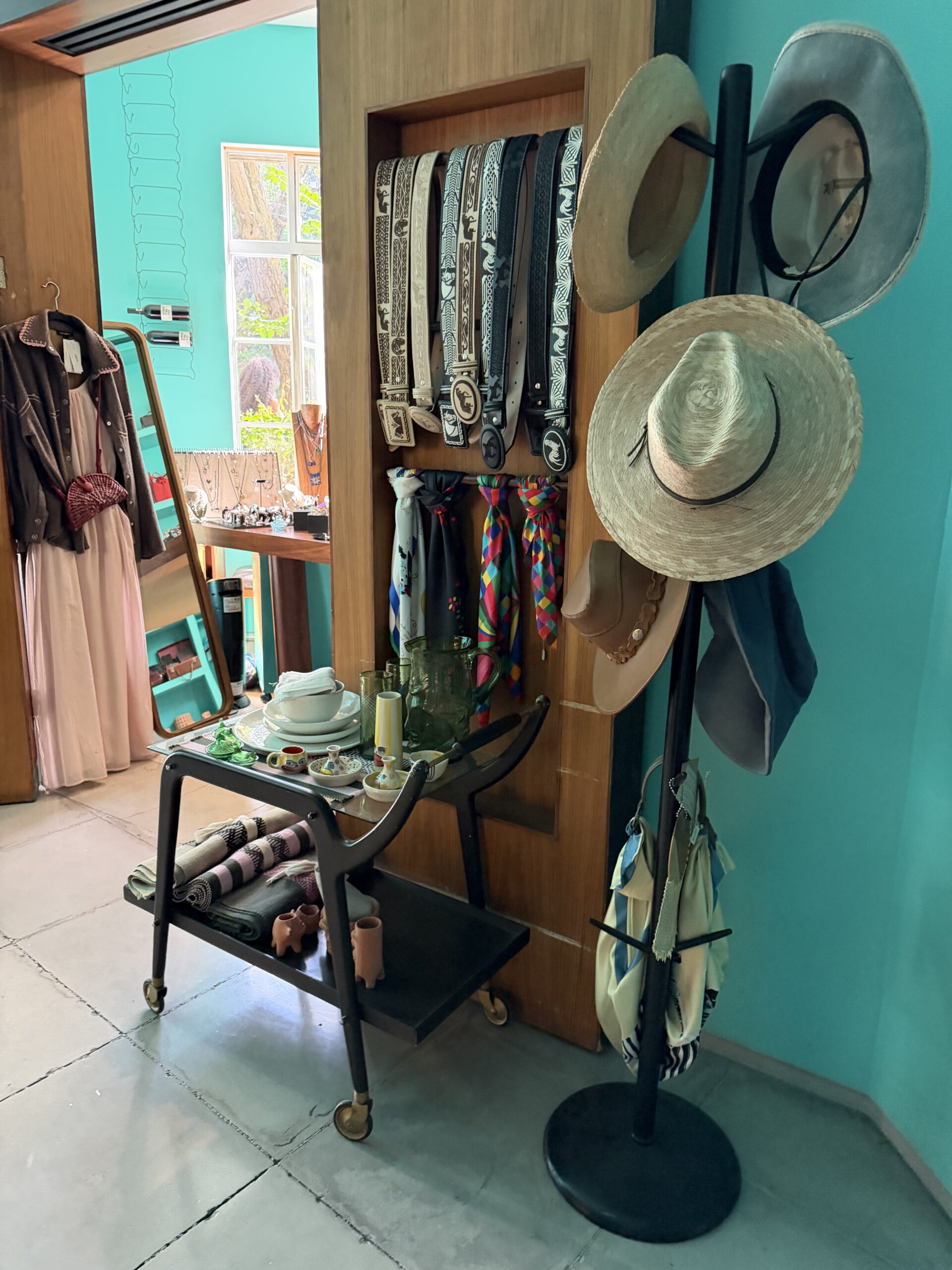
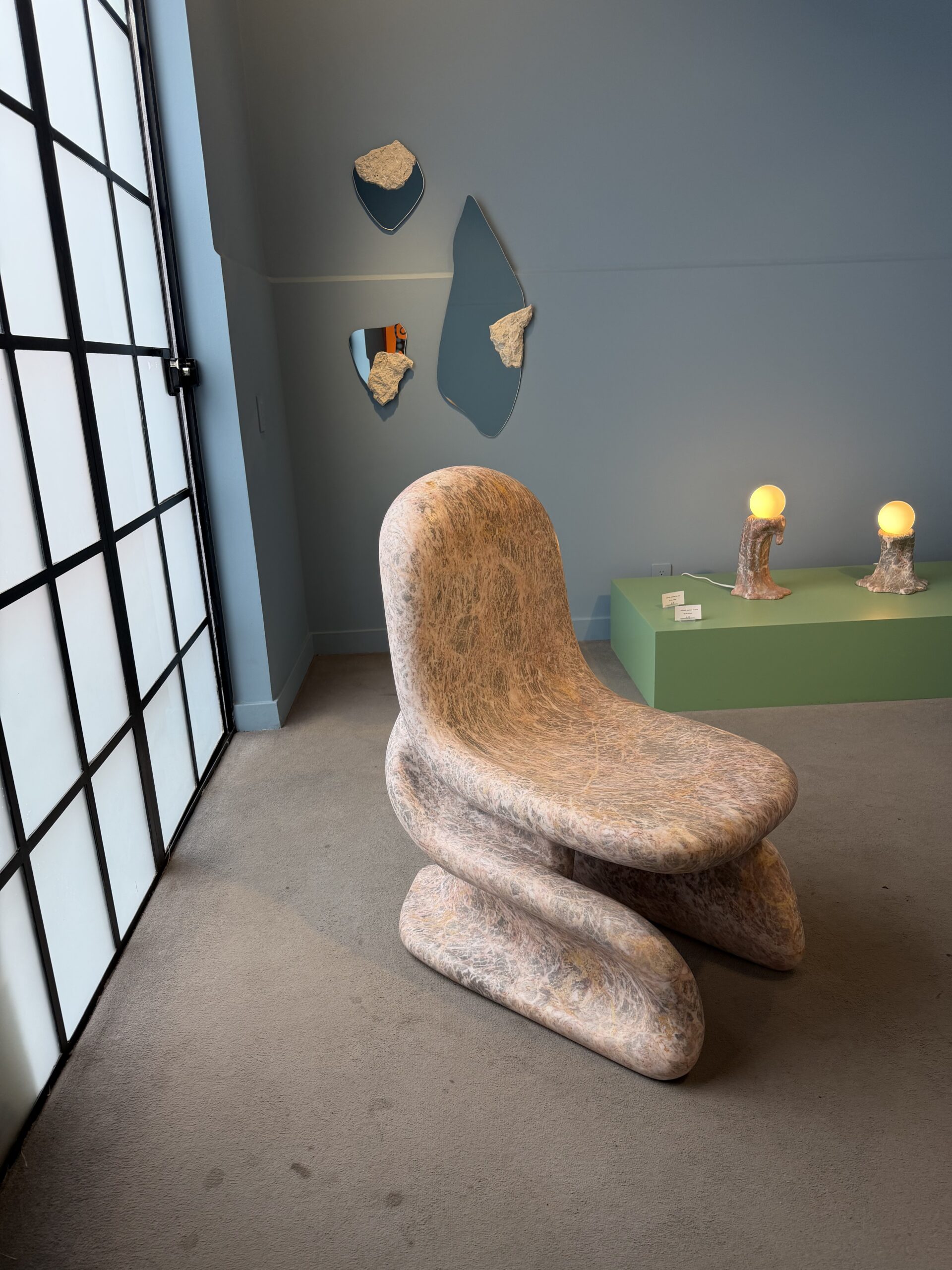
Casa Bosques is one of those places that perfectly captures the spirit of contemporary Mexico City. Part bookstore, part chocolate shop, part design boutique, it somehow makes these worlds feel inseparable. You’ll likely walk in intending to browse and leave with a beautifully wrapped bar of single-origin chocolate, a photography book you didn’t know you needed, and something for your coffee table. Nearby, Utilitario Mexicano elevates everyday objects into design pieces you’ll want to pack into your suitcase. Carla Fernández continues to redefine contemporary Mexican fashion, creating garments rooted in indigenous craftsmanship that feel as relevant in New York or Paris as they do here. For something younger and more playful, Hi-Bye is an easy stop. Back in Condesa, Mutuo offers a thoughtfully edited mix of clothing, homewares and lifestyle pieces that somehow feels both local and international. Fábrica Social showcases beautifully handmade clothing created by artisan communities throughout Mexico, while Erícana México combines an independent bookstore with a café where people still linger over actual books instead of laptops. For fragrance lovers, Xinú in Juárez is one of the city’s most memorable shopping experiences. The boutique is serene, almost meditative. Every perfume sits beneath its own hand-blown glass dome, inviting you to discover each scent slowly rather than rushing through a wall of fragrances. Even if you don’t buy a bottle, it’s worth visiting simply to experience how thoughtfully perfume can be presented. When it comes to jewelry, TANE remains the benchmark for beautifully crafted Mexican silver. Cruzada offers something more artisanal and organic, while Daniel Espinosa creates bold contemporary pieces with just enough edge to feel unmistakably Mexican. Cafebrería El Péndulo, on Álvaro Obregón in Roma Norte, deserves at least an hour of your time. Spread across four floors inside a beautifully restored early twentieth-century building, it’s part bookstore, part café, part cultural institution. The English-language selection is excellent, but it’s the outstanding Latin American feminist section that makes it especially distinctive. On weekends there’s often live music, and upstairs a rooftop bar provides one more reason to stay longer than planned. There are several locations across the city, but this one has the best atmosphere.

Chapultepec and the museums

The Museo Nacional de Antropología is, quite simply, one of the world’s great museums. Even people who don’t usually enjoy museums tend to leave deeply impressed. The collection of pre-Columbian civilizations is unmatched, and nowhere else explains Mexico’s history with the same depth or clarity. The Aztec Sun Stone alone justifies the visit: a twenty-four-ton basalt masterpiece covered in intricate cosmological symbolism that reveals something new every time you circle it. Continue through the Teotihuacán galleries, the Maya collection and the Aztec rooms, allowing yourself at least half a day. When you’re ready for lunch, the museum’s Sala Gastronómica has a lovely garden terrace, or you can walk toward Chapultepec Lake where Bistro Chapultepec offers a leisurely meal overlooking the water. Chapultepec itself deserves almost as much time as the museum. Larger than New York’s Central Park, it contains forests, lakes, museums, a castle and a zoo, all woven into one enormous green sanctuary in the middle of one of the world’s largest cities. Even if you arrive without a plan, wandering here rarely disappoints. Just beyond the park, Plaza Carso is home to two of the city’s finest museums standing directly opposite one another. Museo Soumaya, designed by Fernando Romero, is instantly recognizable for its shimmering aluminum façade that seems to twist as you walk around it. Inside, Carlos Slim’s extraordinary collection ranges from Rodin sculptures to Dalí, European masters and pre-Hispanic treasures. Across the plaza, Museo Jumex provides the perfect contemporary counterpoint. Designed by David Chipperfield, it’s one of Latin America’s leading museums for modern and contemporary art. Better still, both museums are free.

No first visit to Mexico City is complete without spending a day in Coyoacán. The Frida Kahlo Museum, better known as La Casa Azul, remains one of the city’s most sought-after tickets, and for good reason. More than simply a museum, it offers an intimate glimpse into Frida’s extraordinary life through the rooms where she lived, painted and entertained some of the twentieth century’s greatest artists. Afterwards, slow down and enjoy Coyoacán itself. Cobblestone streets, leafy plazas, artisan markets and shaded cafés give the neighborhood an entirely different pace from the rest of the city. It still feels remarkably like the independent village it once was. Order lunch overlooking the Jardín Centenario and let the afternoon unfold naturally. If you’re looking for something completely different, head south to Xochimilco. Long before Mexico City existed, the Aztecs engineered an ingenious network of chinampas, fertile floating gardens built by raising rectangular plots from the lakebed and anchoring them with willow trees. While most of the ancient lake disappeared after the Spanish conquest, these canals remain. Today they’re one of Mexico City’s most joyful experiences. Go on a Sunday. Hire a brightly painted trajinera. Bring friends, cold drinks and an appetite. Mariachi bands drift from boat to boat, floating vendors sell everything from grilled corn to micheladas, and birthdays, anniversaries and family reunions spill across the canals in a wonderfully chaotic celebration of everyday life. It isn’t peaceful. It’s not supposed to be. It’s one of the few places where you truly feel Mexico City celebrating itself.

Coyoacán and Xochimilco

No first visit to Mexico City is complete without spending a day in Coyoacán. The Frida Kahlo Museum, better known as La Casa Azul, remains one of the city’s most sought-after tickets, and for good reason. More than simply a museum, it offers an intimate glimpse into Frida’s extraordinary life through the rooms where she lived, painted and entertained some of the twentieth century’s greatest artists. Afterwards, slow down and enjoy Coyoacán itself. Cobblestone streets, leafy plazas, artisan markets and shaded cafés give the neighborhood an entirely different pace from the rest of the city. It still feels remarkably like the independent village it once was. Order lunch overlooking the Jardín Centenario and let the afternoon unfold naturally. If you’re looking for something completely different, head south to Xochimilco. Long before Mexico City existed, the Aztecs engineered an ingenious network of chinampas, fertile floating gardens built by raising rectangular plots from the lakebed and anchoring them with willow trees. While most of the ancient lake disappeared after the Spanish conquest, these canals remain. Today they’re one of Mexico City’s most joyful experiences. Go on a Sunday. Hire a brightly painted trajinera. Bring friends, cold drinks and an appetite. Mariachi bands drift from boat to boat, floating vendors sell everything from grilled corn to micheladas, and birthdays, anniversaries and family reunions spill across the canals in a wonderfully chaotic celebration of everyday life. It isn’t peaceful. It’s not supposed to be. It’s one of the few places where you truly feel Mexico City celebrating itself.

Centro Histórico

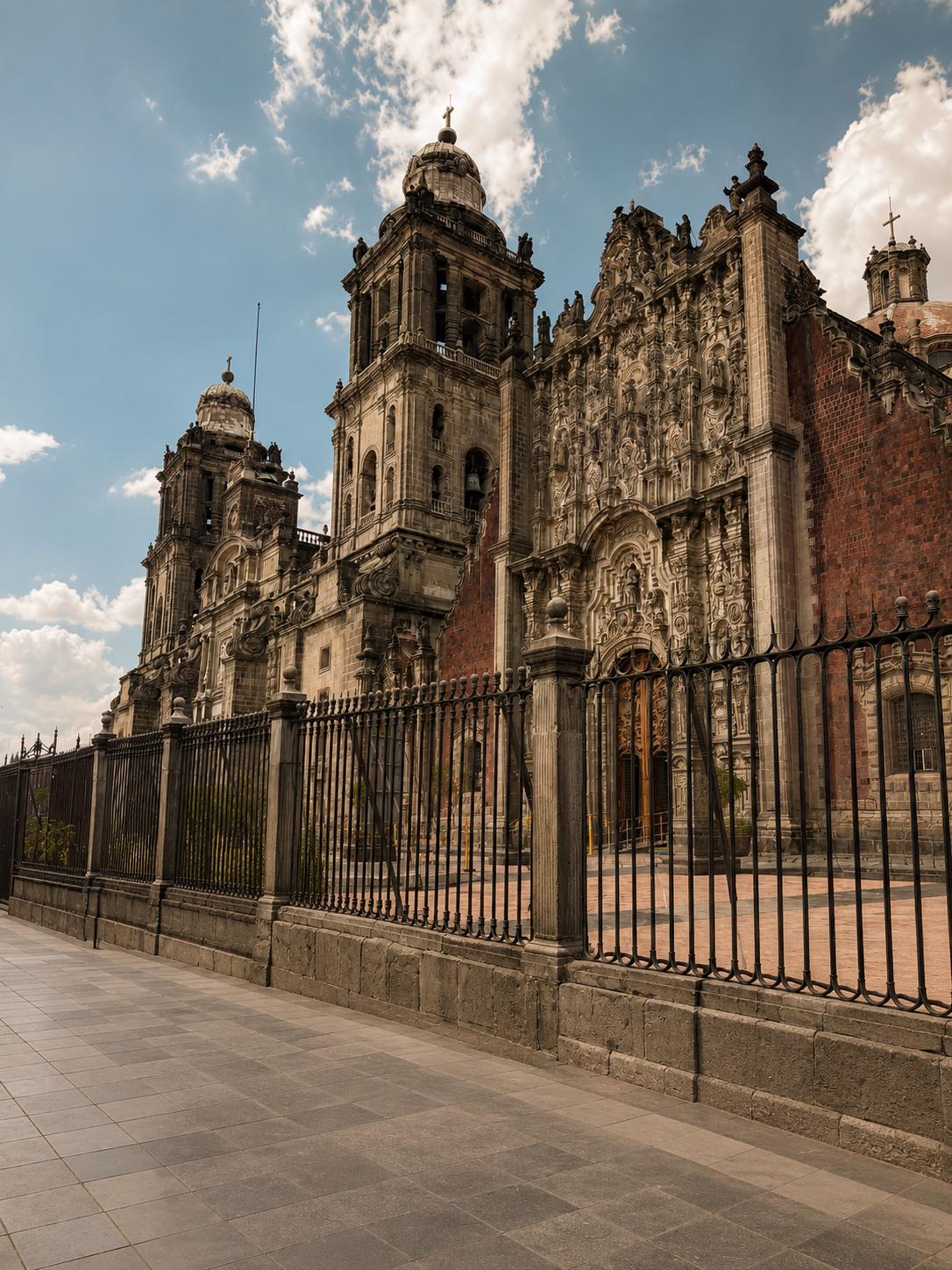
Downtown Mexico City is an entirely different experience. The Centro Histórico feels less like another neighborhood and more like another era layered beneath the modern city. Every few steps reveal another reminder that this was once the heart of the Aztec Empire before becoming the capital of New Spain. The Zócalo is one of the largest public squares in the world, surrounded by the Metropolitan Cathedral, the National Palace and centuries of history compressed into a single city block. It has hosted everything from Aztec ceremonies to royal proclamations, political demonstrations and national celebrations. Even today, it remains the symbolic heart of Mexico. Then, almost unexpectedly, the ground opens. At the edge of the square lie the excavated ruins of Templo Mayor, once the ceremonial center of Tenochtitlán. Seeing the remains of the Aztec capital emerge from beneath colonial buildings tells you almost everything you need to know about Mexico City’s history. One civilization wasn’t simply replaced by another. It was built over, layer upon layer, and both continue to exist at the same time. It’s one of the rare places where history feels physically visible. After exploring the archaeological site, head upstairs to one of the surrounding rooftop restaurants for lunch. Looking across the Cathedral toward the Zócalo while the ruins sit below creates one of those perspectives that permanently reshapes how you understand a city.


Teotihuacán

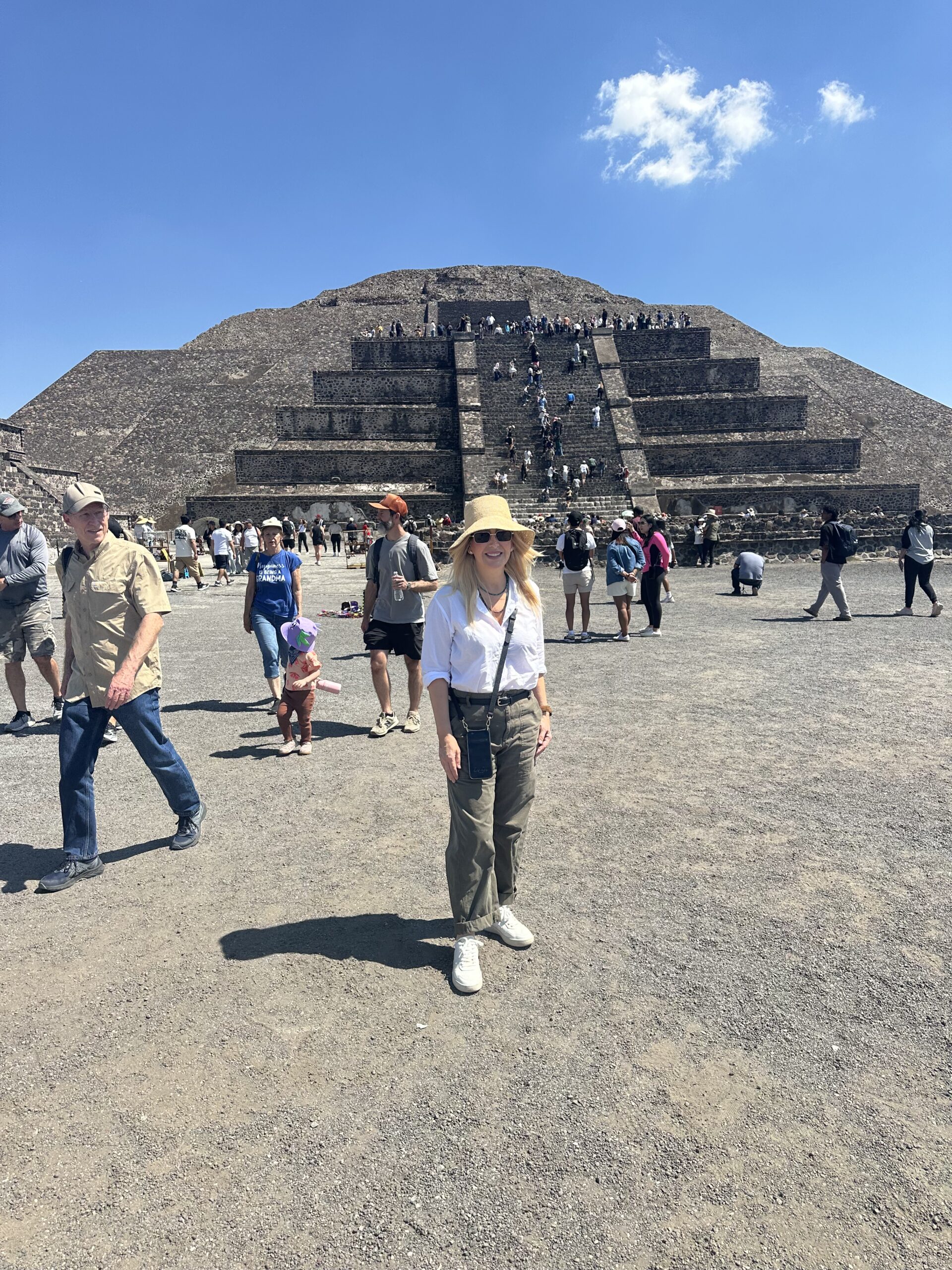
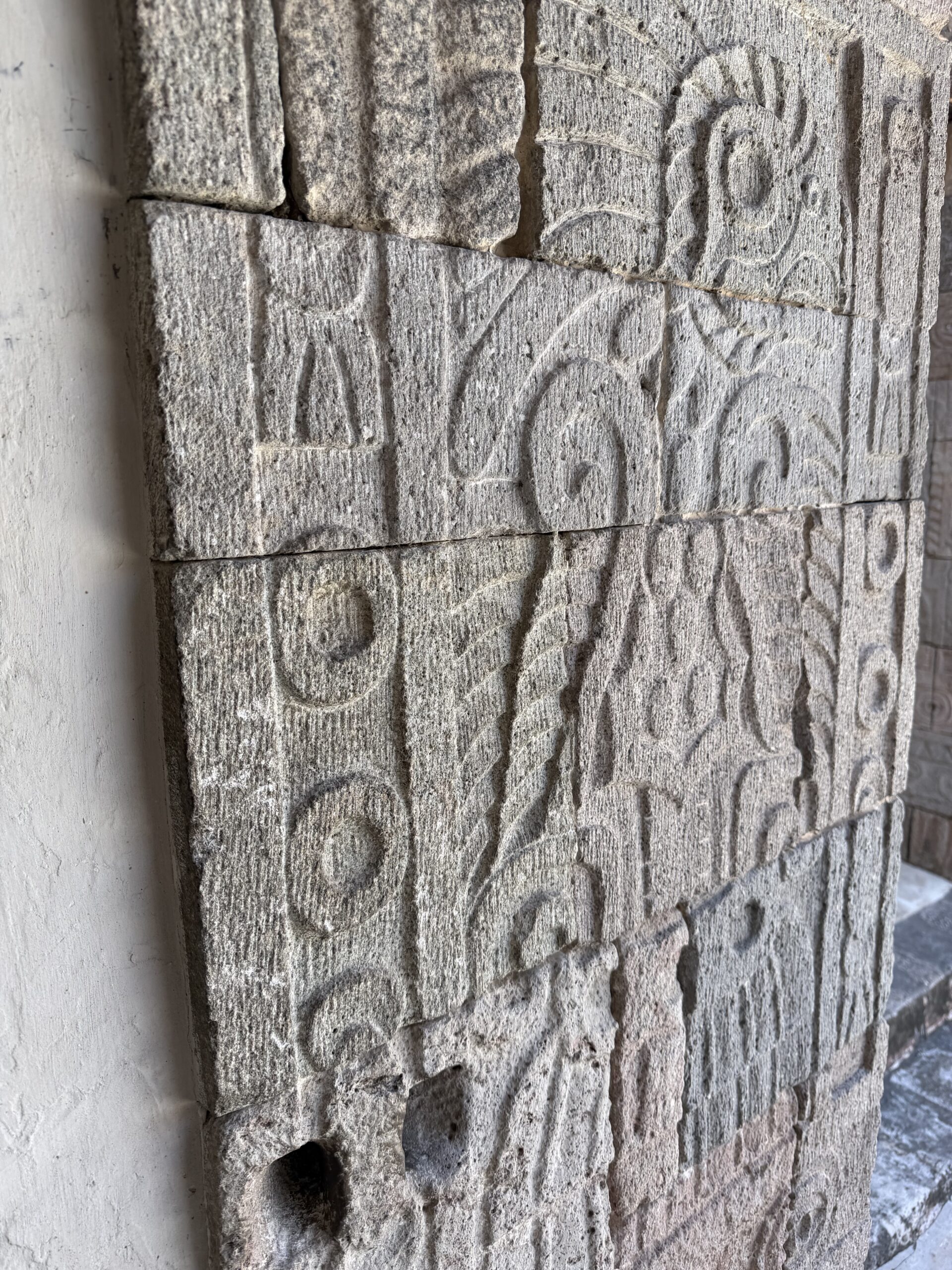
If you only make one excursion beyond the city, make it Teotihuacán. An hour north of Mexico City rises one of the greatest archaeological sites in the Americas, built nearly two thousand years ago by a civilization whose identity historians still cannot fully explain. Even today, much of its story remains a mystery. Walking the Avenue of the Dead toward the immense Pyramid of the Sun is one of those travel experiences that quietly exceeds expectations. The scale is impossible to appreciate until you’re standing there yourself. Every stone was placed without wheeled transport or metal tools, and the entire city was aligned with remarkable astronomical precision. A few practical notes have changed in recent years. The Pyramid of the Sun has remained closed to climbers since 2020, and that restriction is still in place. The Pyramid of the Moon reopened in 2025, but only its lower section is accessible. Climbing the first five platforms rewards you with sweeping views down the Avenue of the Dead toward the Pyramid of the Sun and the surrounding mountains. Visitors can also climb the platform beside the Temple of Quetzalcoatl.  Arrive when the gates open at eight in the morning. For the first couple of hours the site feels remarkably peaceful, and the morning light reveals the geometry of the ancient city in a way the afternoon never quite matches. If you’ve always imagined seeing Teotihuacán from above, sunrise hot-air balloons now offer the only opportunity, since climbing the Pyramid of the Sun is no longer permitted. Mexico City rewards curiosity more than checklists. It’s tempting to spend every day racing between museums, markets and reservations, but some of the city’s best moments happen in between. Sitting with a coffee beneath the trees in Condesa. Wandering into an independent gallery because the door happened to be open. Lingering over lunch long after the plates have been cleared. Following a side street simply because it looks interesting. That’s when the city begins revealing itself. By the time you leave, you’ll probably feel as though you’ve barely scratched the surface. And that’s precisely the point. Mexico City isn’t the kind of place you finish. It’s the kind of place that quietly convinces you to come back.