
Search icon
Adventure

Written by: The Va Beau Team July 6, 2026

Puglia, italy slow down in southern italy

Puglia, southern Italy placeholder

Everyone has a version of Italy they return to. The one with the gondolas, or the one with the Uffizi, or the one with the Amalfi cliffs and the boats full of beautiful people going nowhere in particular. All valid. Puglia is a different Italy entirely, older, slower, less performed, more itself. It sits at the very heel of the boot between two seas, and it has spent centuries being slightly too far from the main tourist circuit to be overrun by it. This is the greatest gift a place can give itself.

We left with olive oil, sand in our shoes, and a very strong feeling that we had found the Italy most people haven’t prioritized yet. Go before the crowds fully catch up.

THE MASSERIE

The accommodation in Puglia is part of the experience in a way that’s different from almost anywhere else in Italy. The masseria, a fortified farmhouse, usually centuries old, set among olive groves, is not just a place to sleep. It’s an orientation to the whole region.

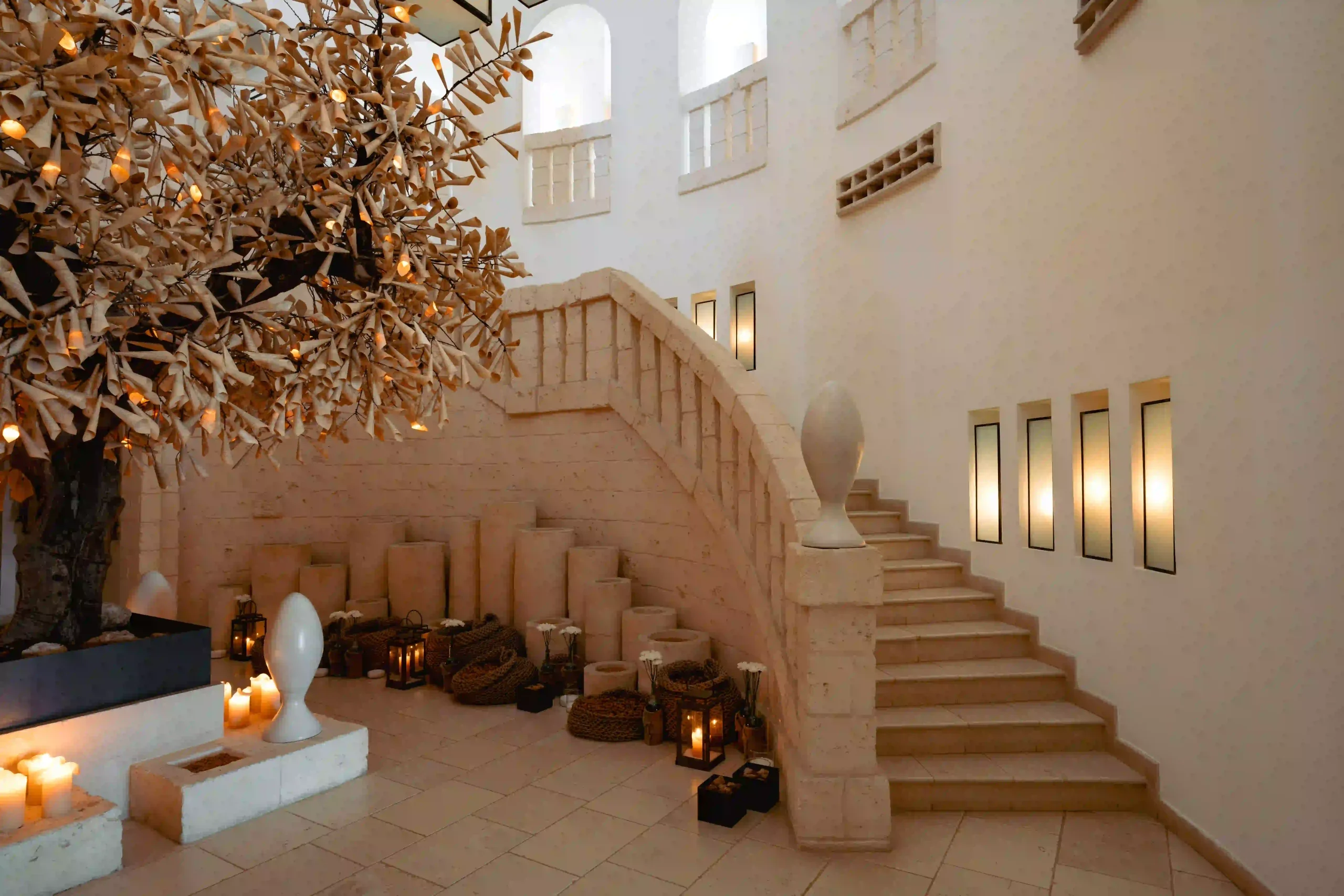
Borgo Egnazia, near Fasano is a white-stone village resort with multiple restaurants, beautiful pools, a renowned spa, and the full-service infrastructure that makes it the default choice for a certain kind of trip. Grand, polished, and genuinely impressive, the most luxurious resort version of Puglia.

Masseria San Francesco, tucked between olive groves and the Adriatic near Fasano, is the one we keep telling people about. Smaller, more intimate, exposed white-brick suites with ancient trees and veranda views toward the sea. Beautiful and warm and a fraction of the price of its famous neighbor. Masseria Torre Maizza, a Rocco Forte property, is the polished boutique option. Refined, intimate, with a rooftop bar made for golden hour.

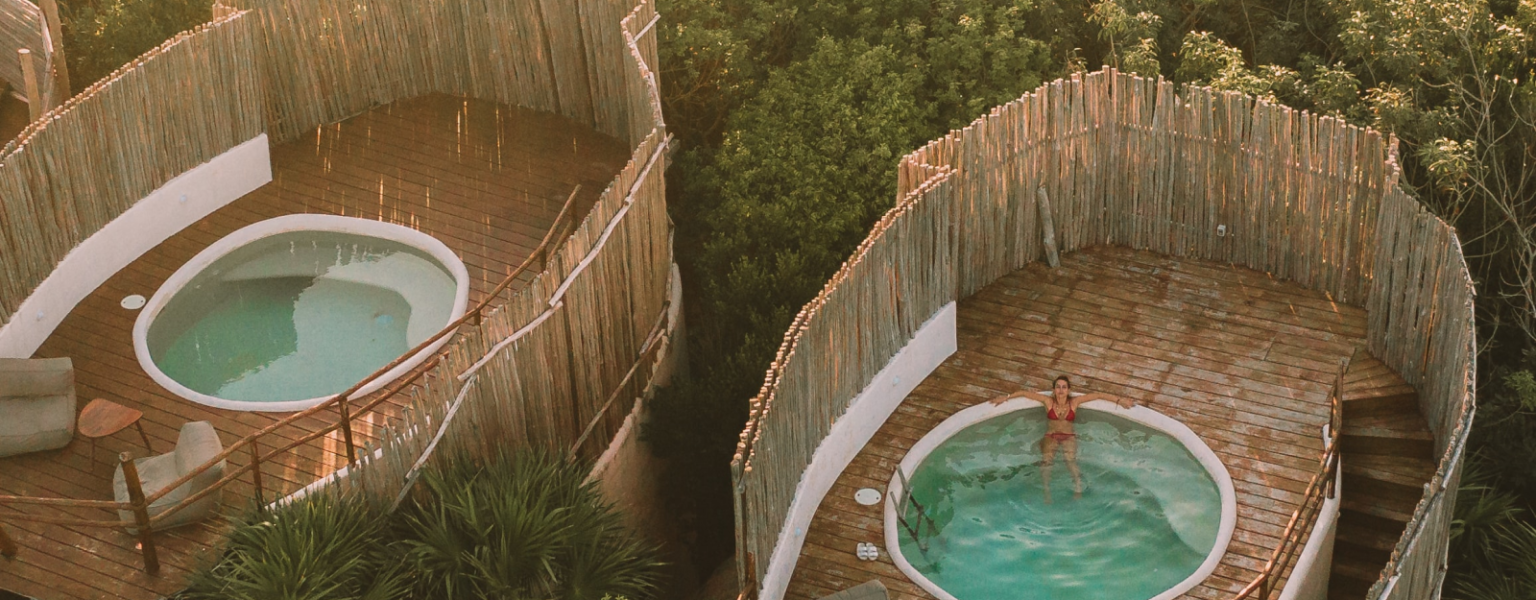
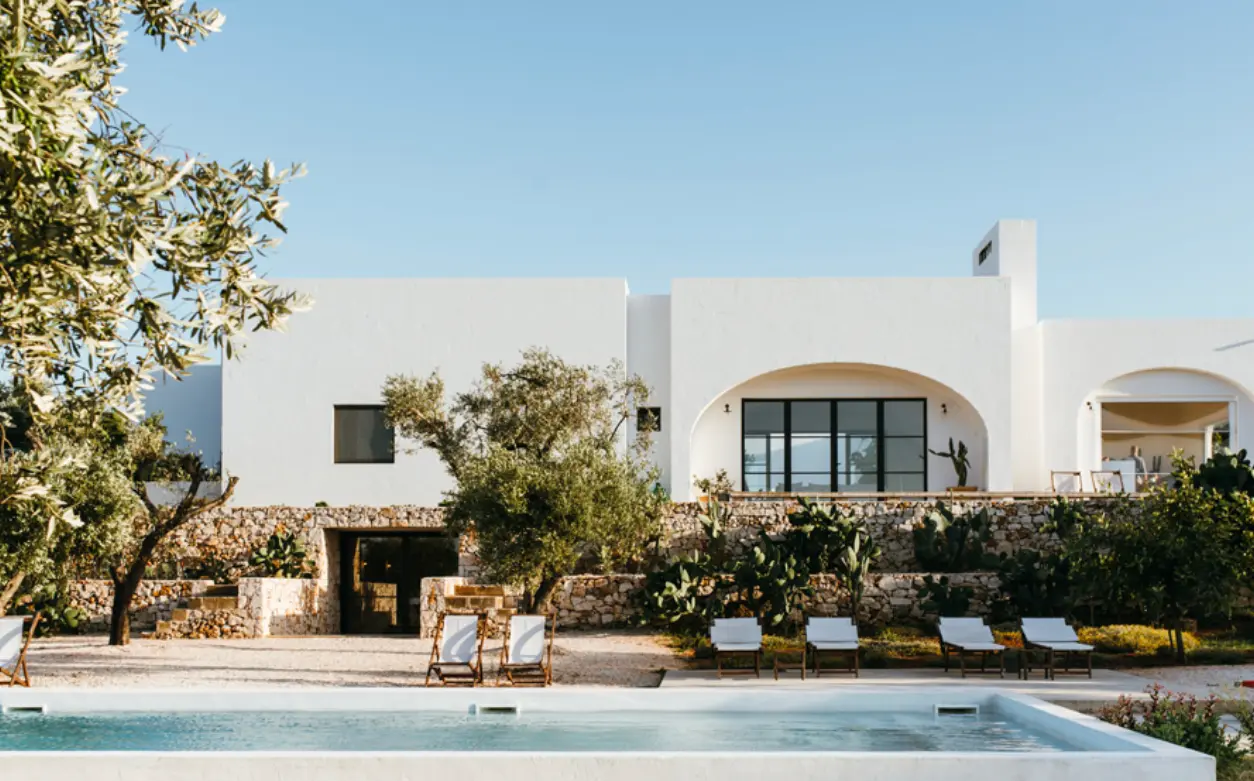
For those who want something more cutting edge: Masseria Moroseta, near Ostuni, is the one the design world has been quietly obsessed with for years. Designed by architect Andrew Trotter, it’s blindingly white and strikingly minimal against a five-hectare organic olive grove. Six rooms, a lap pool, a long communal table, its own boutique selling ceramics and linens. It feels nothing like a hotel. It feels like the best private house you’ve never lived in. Notoriously difficult to book, start trying well in advance. Palazzo Daniele in Salento, a member of Design Hotels, is a 19th-century aristocratic palazzo, spare, minimalist, curated contemporary art. Paragon 700 in Ostuni is the drama option — the only red building in the White City, restored frescoes, eclectic vintage pieces, moody atmospheric interiors.
An Afternoon Worth Having

Masseria Moroseta
Borgo Egnazia
placeholder

Fasano

There are moments in travel you know, while they’re happening, that you’ll be talking about for years. The cooking class was one of those.

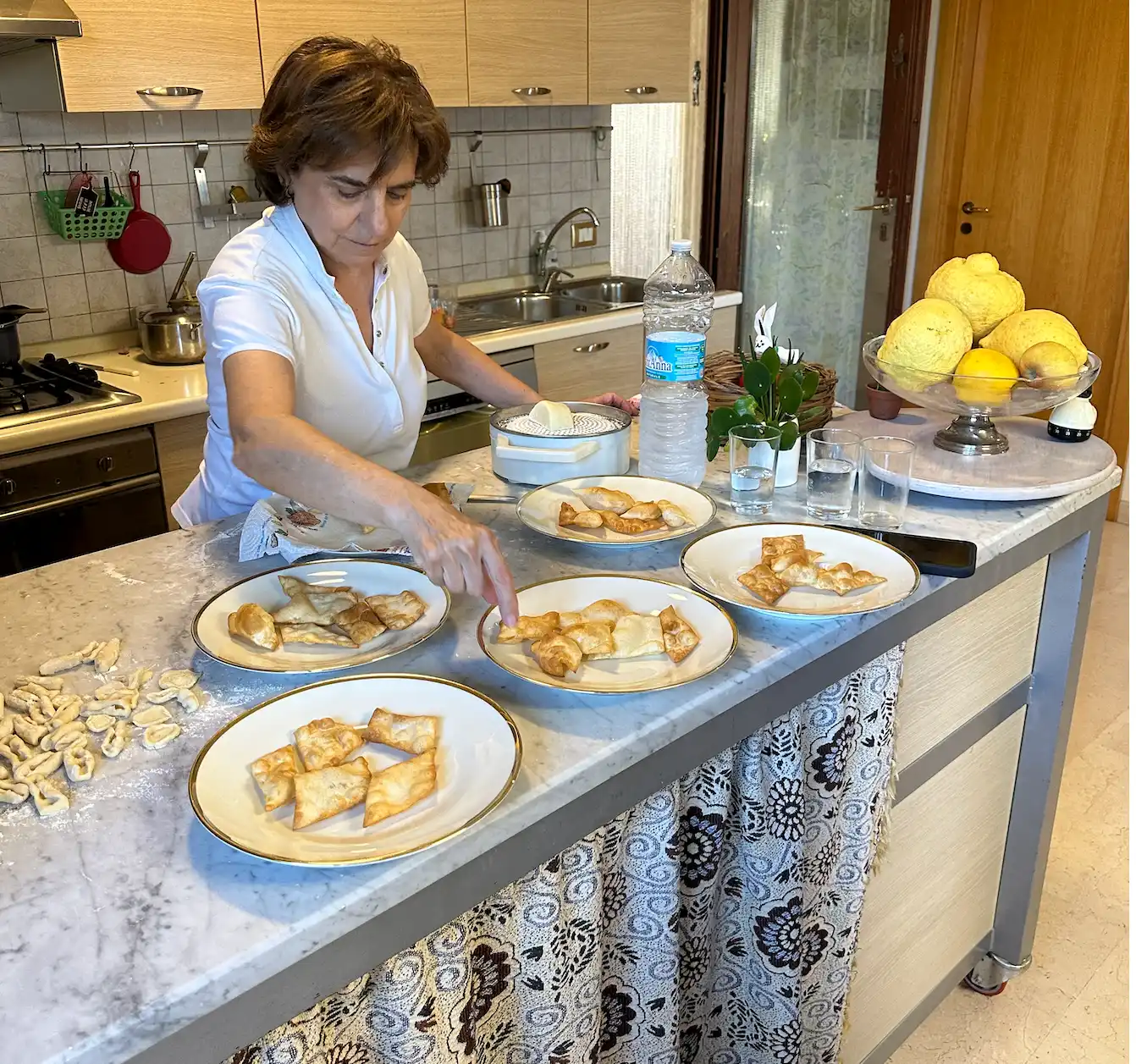
We found the family through a private connection, a local home in the Valle d’Itria, the husband an architect who knew every corner of the region, his wife a woman who had been making orecchiette her entire life and had the hands to prove it. We arrived to find chickens in the backyard, something already on the stove, and a kitchen that smelled like every good Italian meal you’ve ever had condensed into one room. She showed us how orecchiette are made, that small ear-shaped pasta pressed and shaped by hand with a movement so practiced it looks effortless until you try it yourself. Her English was good, her husband’s excellent, and her sister, who joined midway, clearly not wanting to miss anything, spoke none at all and communicated entirely through expression and laughter. It was one of the most animated, warm, genuinely delightful lunches we have ever had.

Then dinner moved outside to the terrace — a full meal, beautifully cooked, eaten in the Pugliese evening with the olive trees around us and the sky doing something spectacular overhead. Nobody wanted it to end.

There are plenty of ways to have a cooking experience in Puglia — the masserias offer their own versions, more structured, in historic estate kitchens, with a polish that reflects everything the masseria does well. Ours was the opposite of that. A home in a residential neighborhood, a family kitchen, someone’s actual life. Both are worth having. They’re just very different afternoons.

THE TOWNS

A private cooking class,Valle d'Itria

A private cooking class and dinner

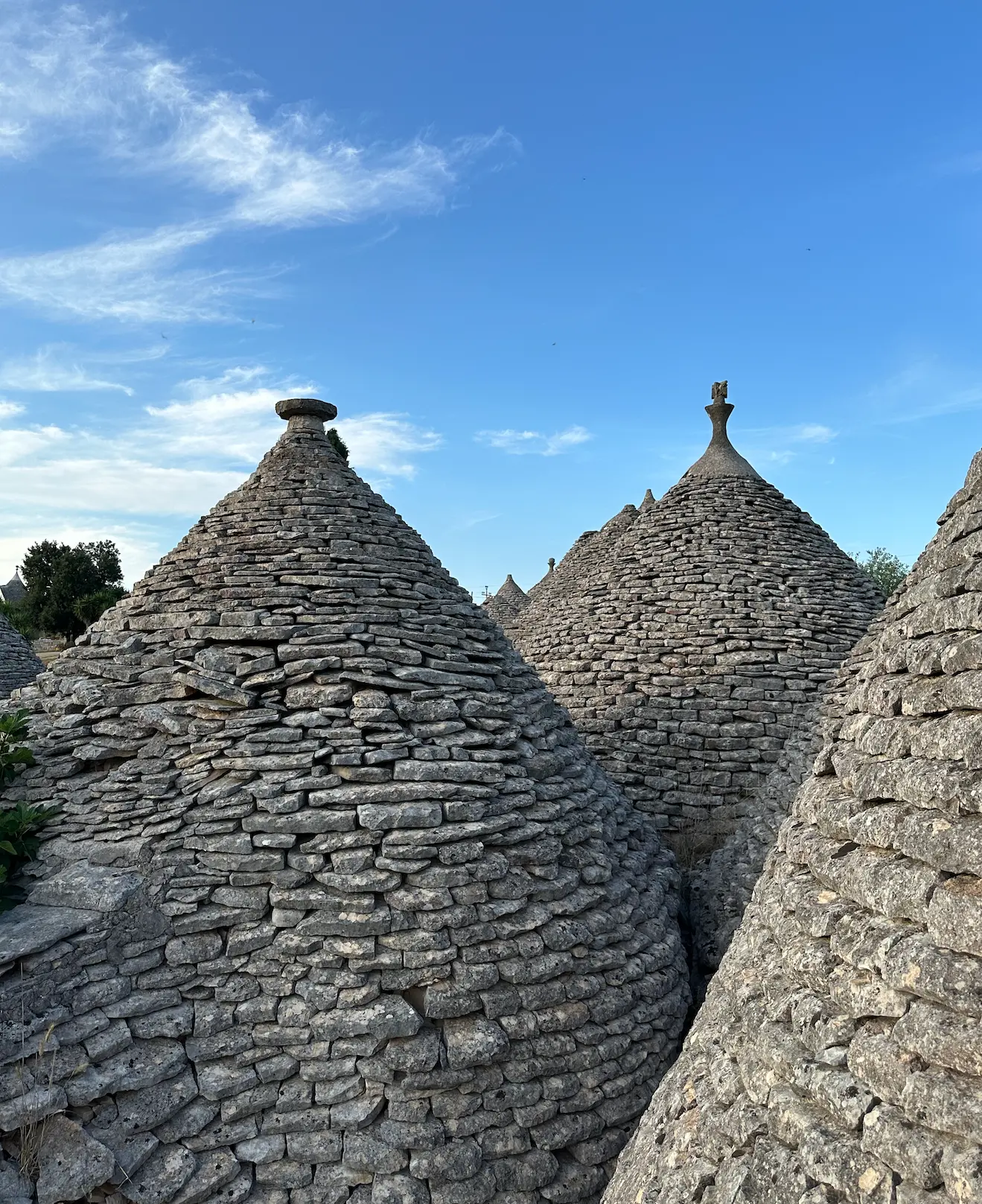
The town of Alberobello is worth seeing — over 1,500 trulli climbing the hillsides, a UNESCO World Heritage Site and genuinely extraordinary even when crowded. Go in the morning before the coaches arrive.

After our delightful dinner, our architect host took us beyond the town into the Valle d’Itria countryside — to the trulli still scattered across the landscape as they’ve always been, dotted among olive groves, some inhabited, some in beautiful ruin. None on any tourist map. Away from Alberobello’s tourist center, these structures feel entirely different: older, stranger, more connected to the land they came from. Driving through that landscape in the late afternoon, stopping at one that had been there for four hundred years, was one of those travel moments where the planned itinerary becomes completely irrelevant.

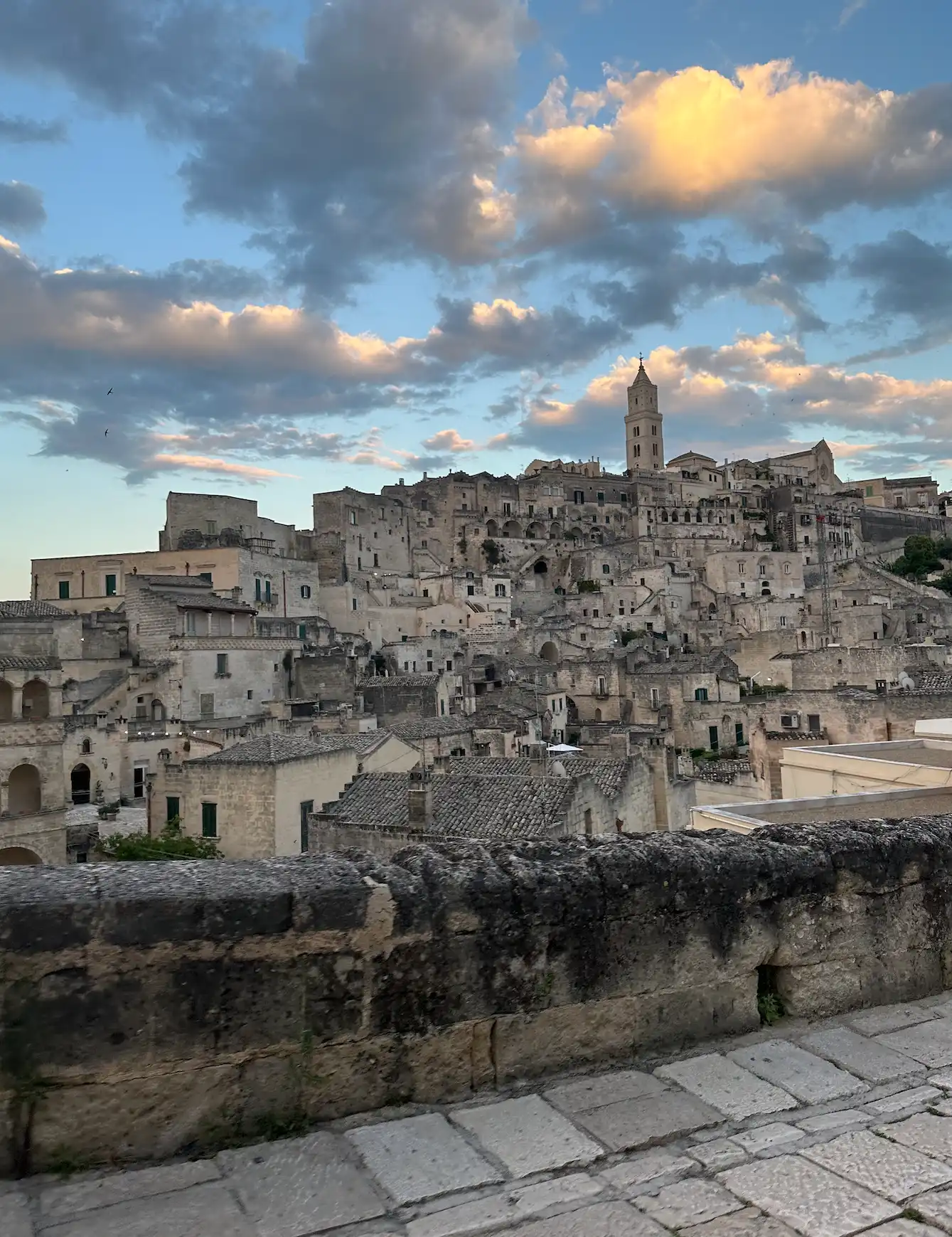
We also drove to Matera, about an hour and a half east, technically in Basilicata but an easy and essential day trip. Nothing quite prepares you for the first view. The city rises from the edge of a deep ravine in a cascade of stone dwellings carved into and built upon the cliff face, layer upon layer. Inhabited since the Paleolithic era. It is one of the most astonishing sights in southern Italy, possibly in Europe, and no description does it justice until you actually see it. Stay into the evening when the stone turns gold in the fading light. For accommodation, Sextantio Le Grotte della Civita, cave dwellings turned into candlelit rooms of raw, tactile luxury — is the most visceral way to experience the city.

THE COAST

Matera 2

Matera

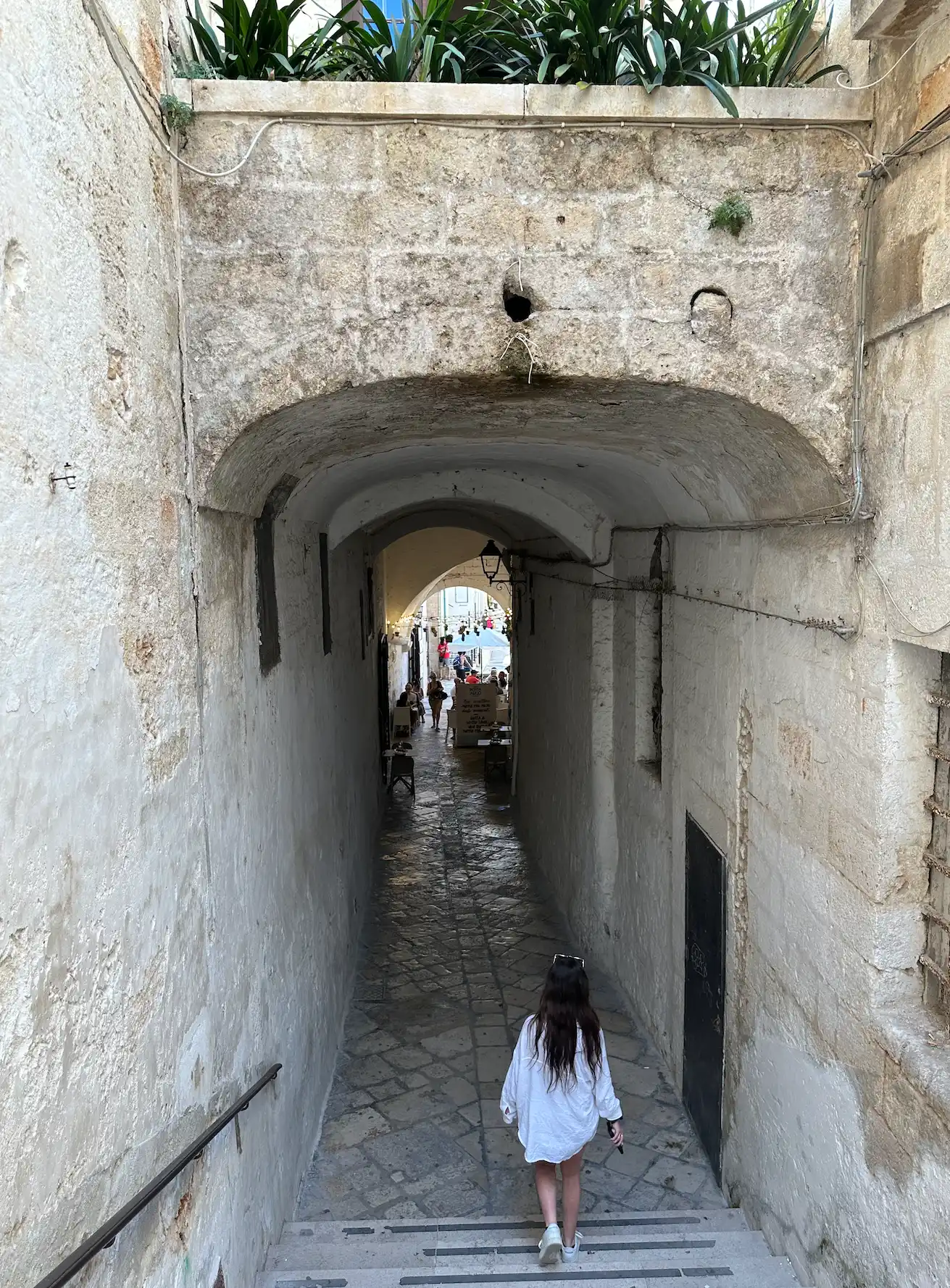
Monopoli deserves far more attention than it typically gets: a working port with a medieval old town, fishing boats in the harbor, and streets that feel genuinely lived-in rather than curated for visitors. We walked it slowly and loved all of it.

Polignano a Mare, about twenty-five minutes north of Monopoli, is the town perched on white limestone cliffs above turquoise sea caves that appears on every Instagram feed of southern Italy. Go. Walk the clifftop alleys, look down at the water, photograph the statue of Domenico Modugno, the man who wrote Volare, who was born here, standing on the edge with his arms spread wide over the sea. The beach below is packed in summer and very much on the tourist circuit. It’s more of a look-down-at-it moment than a spend-the-afternoon-on-it moment. For your actual beach day, Coccaro is the answer. Polignano is the detour on the way.

Lecce is where you spend a full day without having planned to: a Baroque city built from pale golden limestone, the churches competing in the 17th century for ornamental excess with magnificent results. The papier-mâché craft tradition, centuries old and still practiced in workshops throughout the city, produces figures of extraordinary delicacy. Find a workshop. Watch someone work.

Ostuni, the White City, sits on its hilltop with the confidence of a place that has been beautiful for a long time. Bari was a genuine surprise — the Città Vecchia is where the streets narrow to barely a shoulder’s width and you can still find women sitting outside on low chairs making orecchiette in the lanes. Raw, authentic, and very much its own thing.

Where to Eat

Polignano a mare

Polignano a Mare

The burrata here is not like the burrata you know. Made in the morning, yielding under a fork into cream and curd that coats everything around it. Order it everywhere. The orecchiette, now that you’ve seen them made by hand, will never taste the same anywhere else. The olive oil goes on everything. The Primitivo and Negroamaro wines are big and warm and taste specifically of this landscape. Eat somewhere with no English menu. Point at what the table next to you ordered.

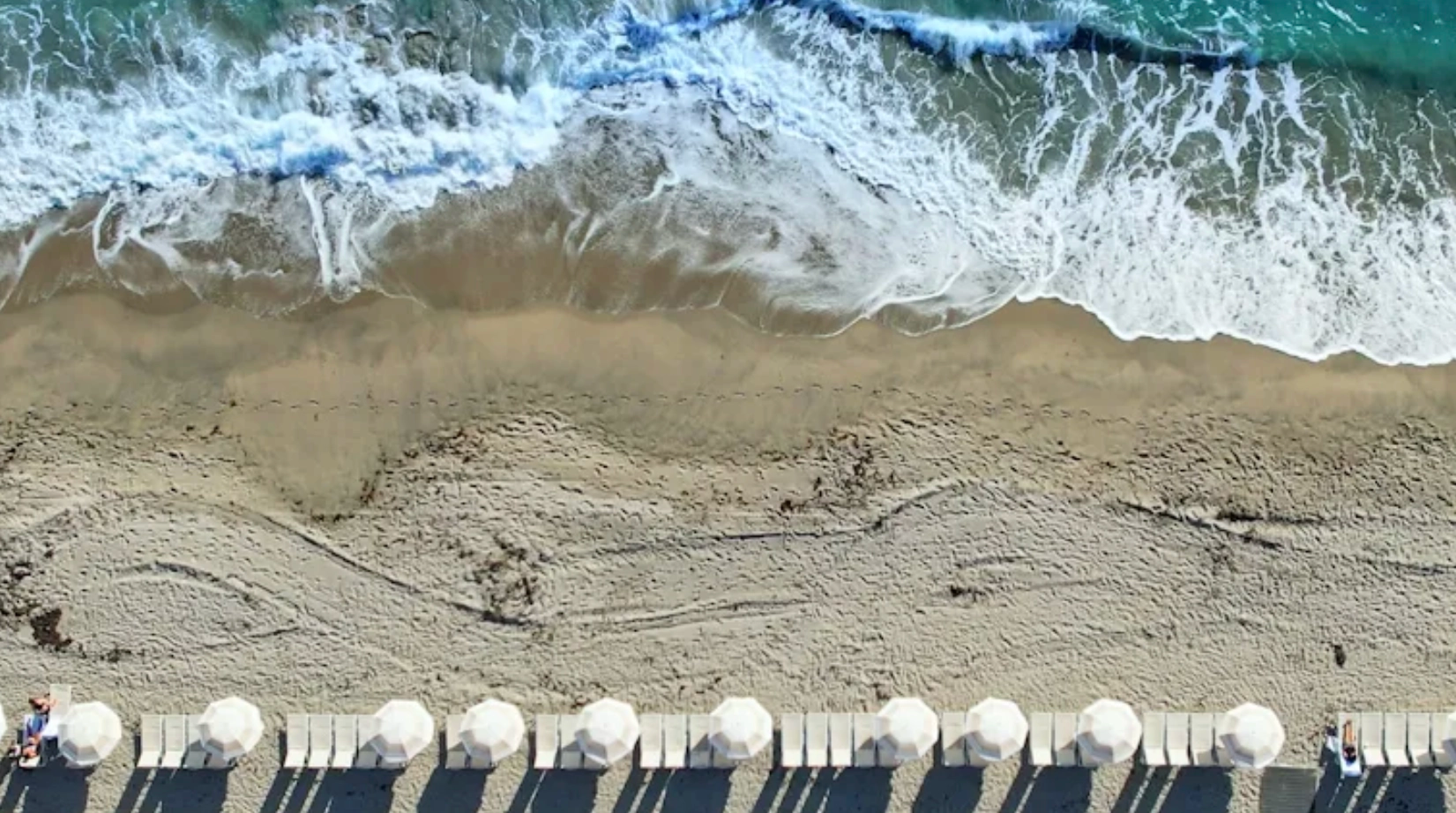
The beach day at Coccaro Beach Club, attached to Masseria Torre Coccaro near Savelletri, was the right kind of Pugliese afternoon. A sandy bay of crystalline Adriatic water, teak loungers, a restaurant serving seafood that tastes like it was swimming that morning, and a small boutique with well-chosen objects and beach things.