Lima changed the conversation about South American cooking a decade ago and has not looked back. The city’s restaurants are consistently among the top twenty in the world. This is not hyperbole and it is not regional qualification. It is a fact that food writers and chefs who travel specifically to eat have agreed on repeatedly.
Central, Chef Virgilio Martínez’s restaurant in Barranco, has occupied a position among the world’s top five restaurants for years. The tasting menu is structured as a journey through Peruvian altitude — each course a different ecosystem, from the Pacific floor to the high Andes, using ingredients that exist nowhere else on earth. Some of them — the native tubers, the highland grains, the Amazonian plants — have never appeared in a restaurant before Martínez started using them. Make this reservation before you book your flights. It sells out months in advance and it is worth the planning.
Maido, Chef Mitsuharu Tsumura’s restaurant in Miraflores, is the other non-negotiable. The Nikkei tradition — Japanese-Peruvian culinary fusion, developed over a century of Japanese immigration to Peru — produces combinations that should not work and consistently do. The cooking is technically extraordinary. The flavors are unlike anything you have eaten before. Make this reservation alongside Central.
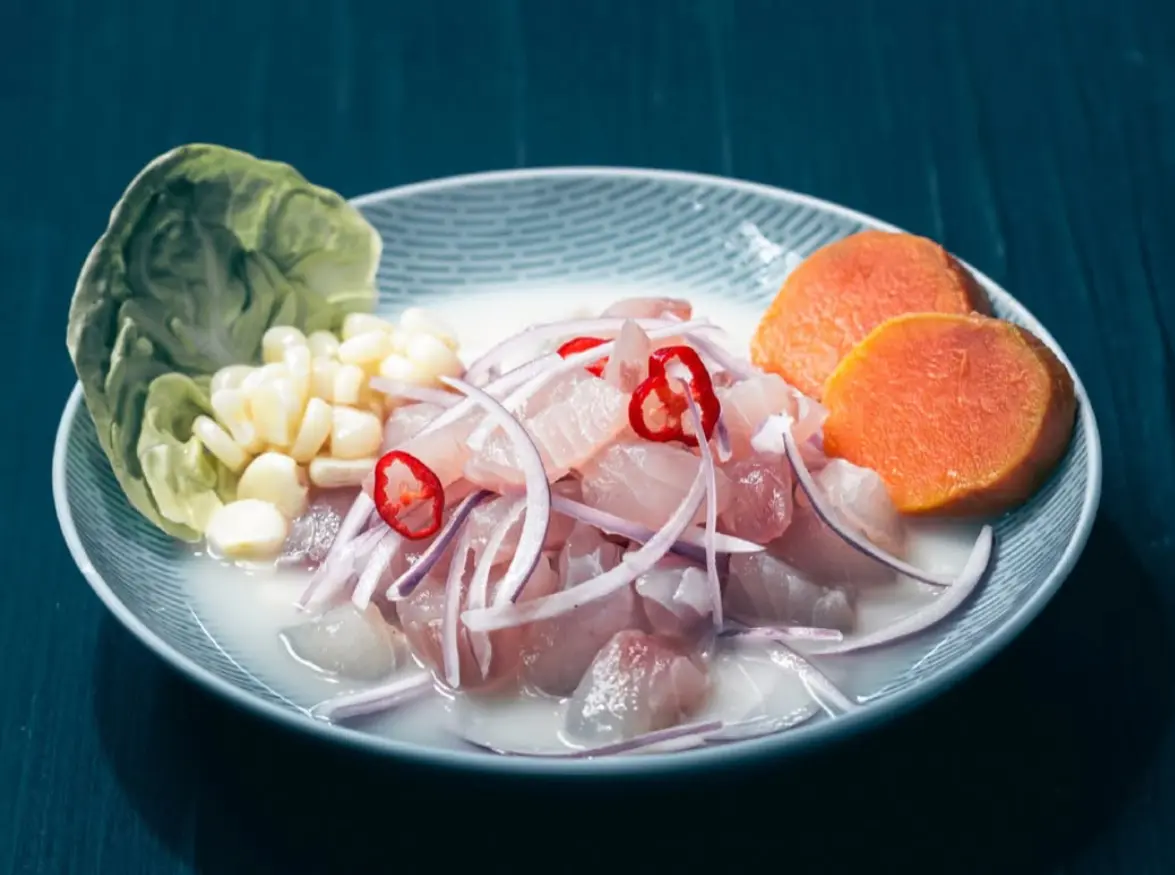
La Mar, also in Miraflores, is where you go for ceviche at lunch: the leche de tigre bright with citrus and aji amarillo, the tuna causa, the cold beer and the good company and the particular pleasure of excellent seafood eaten at noon in a city above the Pacific. This is one of the great lunches on earth.
Miraflores, above the Pacific cliffs, is where to stay in Lima — the sunsets from the Malecón are consistently extraordinary, and the neighborhood has the best concentration of restaurants and shops. Barranco, the bohemian district a short taxi ride south, has the most creative energy and the most interesting smaller restaurants.