Search icon
Adventure

Written by: The Va Beau Team July 6, 2026

Laos luang prabang and the slow life

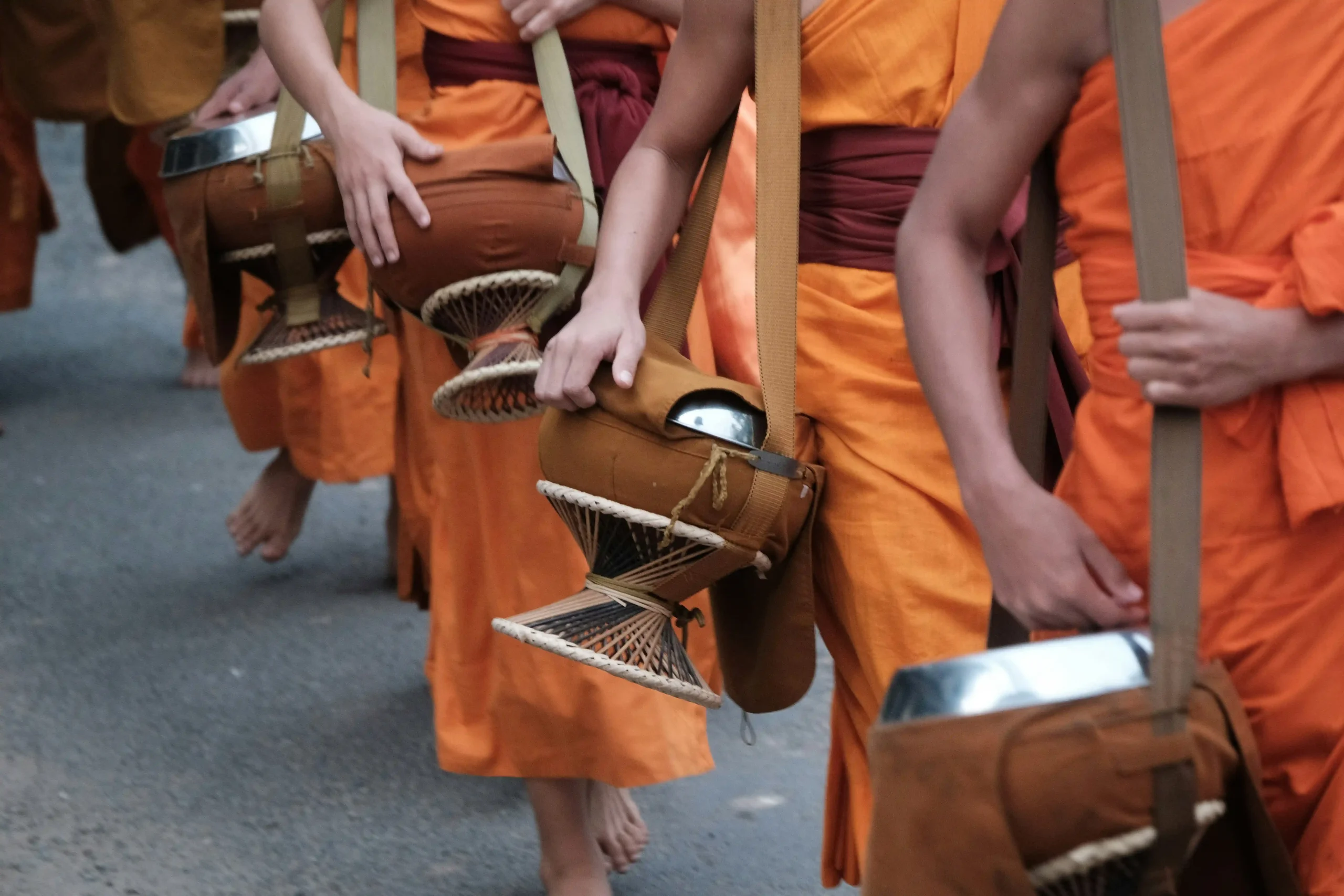
Tak Bat almsgiving ceremony Image creditmarco-j-haenssgen placeholder

Southeast Asia has a way of moving fast even when it’s pretending not to. Bangkok is relentless. Hanoi is electric. Even Siem Reap, which sells itself on the contemplative, has the engines running. Laos is different. Not performed-different, not marketed-as-authentic different, but actually, structurally, fundamentally different in a way you feel in your body within a few hours of landing.

The country made a decision, some time ago, to develop slowly. The result is a place that still exists largely at the pace it has always moved — the Mekong running broad and brown between forested hills, monks on bicycles at 5am, markets selling vegetables and dried fish and handwoven textiles, towns where the main evening entertainment is watching the river. For travelers who have been everywhere and are tired of feeling like they’re consuming rather than experiencing, Laos is the antidote.

Luang Prabang is where most people arrive, and it is the right place to start.

LUANG PRABANG

Wat Xieng Thong
placeholder

Luang Prabang

A UNESCO World Heritage city at the confluence of the Mekong and Nam Khan rivers, Luang Prabang is a narrow peninsula of gilded temples and French colonial shophouses, frangipani trees dropping flowers on the streets, monks in saffron robes moving through it at dawn with the kind of unhurried purpose that makes you feel, by comparison, that you’ve been rushing through your entire life for no good reason.

The French arrived in the late 19th century and left their architecture behind when they left — covered walkways, shuttered windows, yellow facades that have aged into something more beautiful than they probably were when new. The temples predate the French by several centuries and coexist with the colonial streetscape in a way that shouldn’t work aesthetically and completely does.

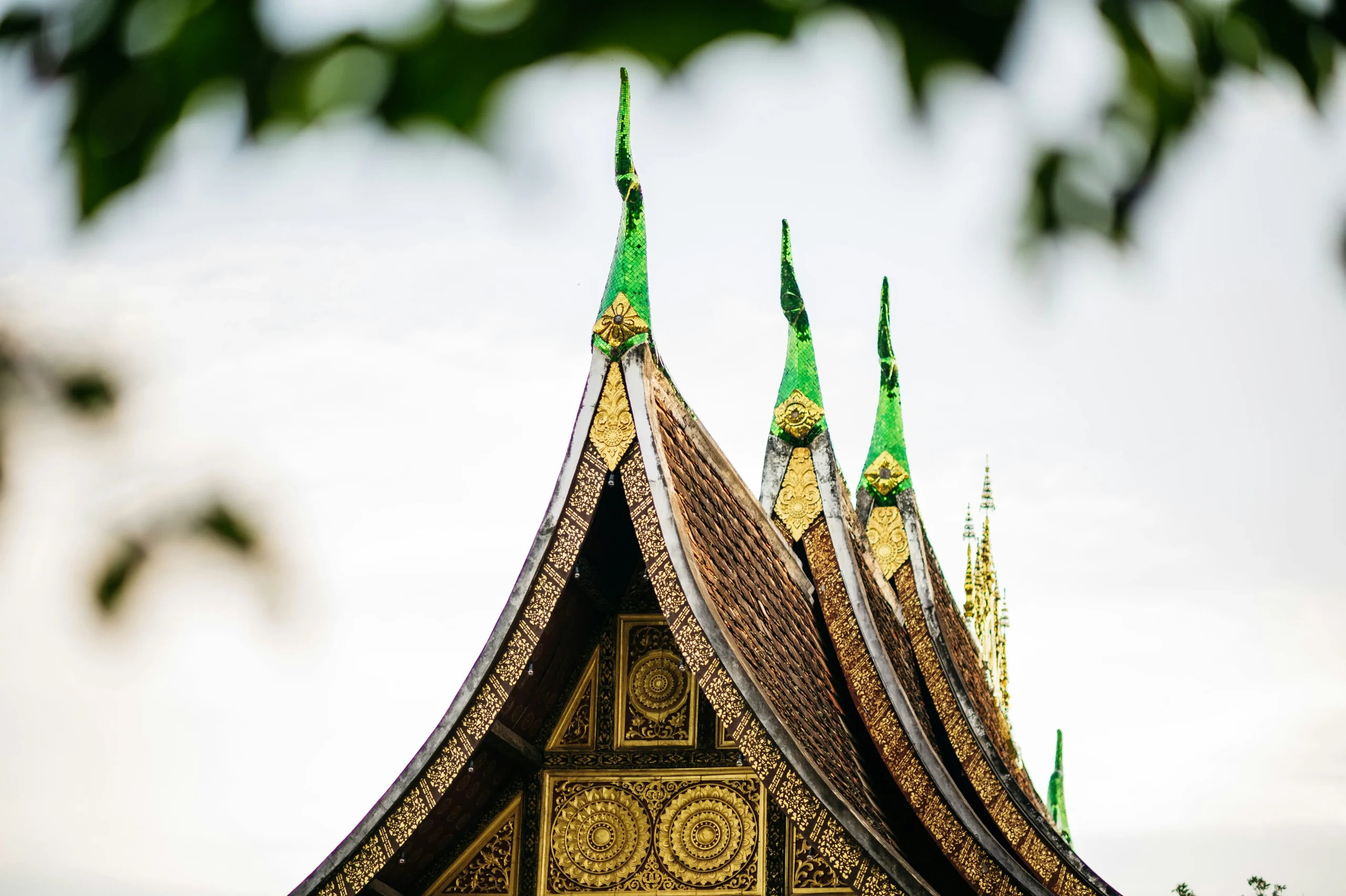
Wat Xieng Thong, at the northern tip of the peninsula where the two rivers meet, is the most significant temple — a multi-tiered roof that sweeps low to the ground in the distinctive Luang Prabang style, gold stenciling on every surface, a rear wall mosaic of the Tree of Life in colored glass that has to be one of the most beautiful single objects in Southeast Asia. Go in the morning. Go without a tour group. Give it an hour.

Phu Si Hill, at the center of the peninsula, rises above the rooftops with a stupa at its summit and views in every direction over the town and the rivers and the forested hills beyond. The climb takes about twenty minutes. Go at sunset when the light comes in low over the Mekong and the whole town turns gold below you.
THE MORNING RITUAL

The thing everyone tells you about Luang Prabang before you go is Tak Bat — the morning almsgiving ceremony — and the thing nobody tells you is how to experience it without ruining it. Here is the honest version.

Tak Bat happens every morning at dawn. Several hundred monks from the monasteries of Luang Prabang walk in long silent lines through the pre-dawn streets while local residents kneel on mats to offer sticky rice from woven baskets. It is a daily act of devotion that has been happening in this city for centuries. It is not a performance. It is not for tourists. It happens to take place in the streets, which means tourists can observe it — and this is the key word, observe.

Set an alarm for 5am. Wear dark, modest clothing. Find a spot on the pavement a few meters back from the route and sit or stand quietly. Do not photograph with a flash. Do not step into the ceremony to get a better angle. Do not buy sticky rice from the tourist vendors who will offer it to you — this has been condemned by Buddhist authorities as disrespectful to the ceremony. Simply watch. Watch the monks walk past in the pre-dawn dark, the sound of their feet and the soft clink of alms bowls the only sounds on the street. Watch the residents kneel and give. Watch the city perform an act of daily spiritual life that most of the modern world has forgotten how to do.

It will be one of the most moving things you experience in Asia. Possibly in travel.

Where to Sleep

Amantaka

Amantaka, Luang Prabang

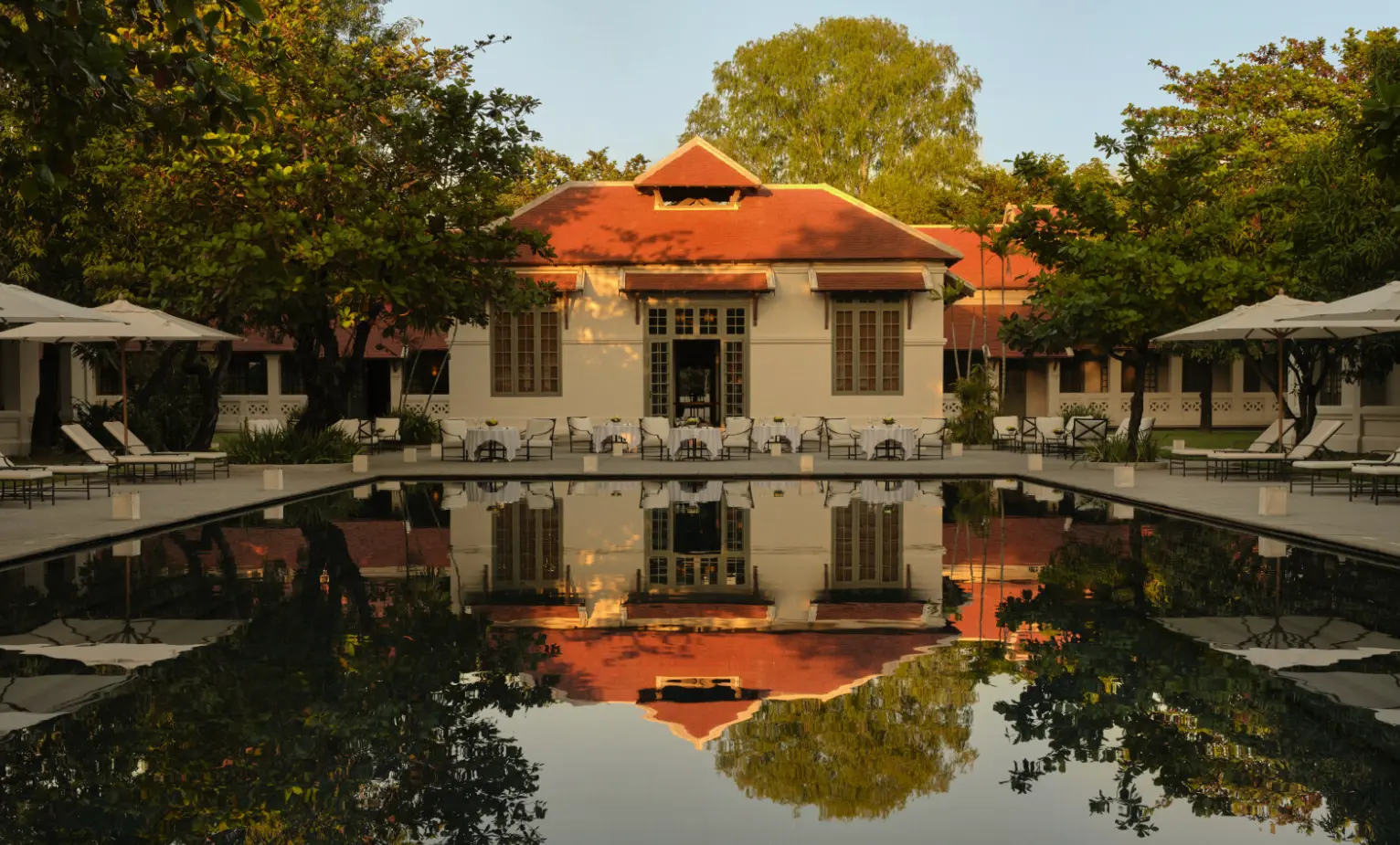
Amantaka is a compound of French colonial-era buildings converted by Aman into their characteristic vision of serene luxury — shaded courtyards, a pool in dappled light, rooms of calm and considered beauty, service that operates at the frequency of the city rather than against it. It has been recognized as one of the finest hotels in Southeast Asia and it earns that recognition. The pace here is exactly right.

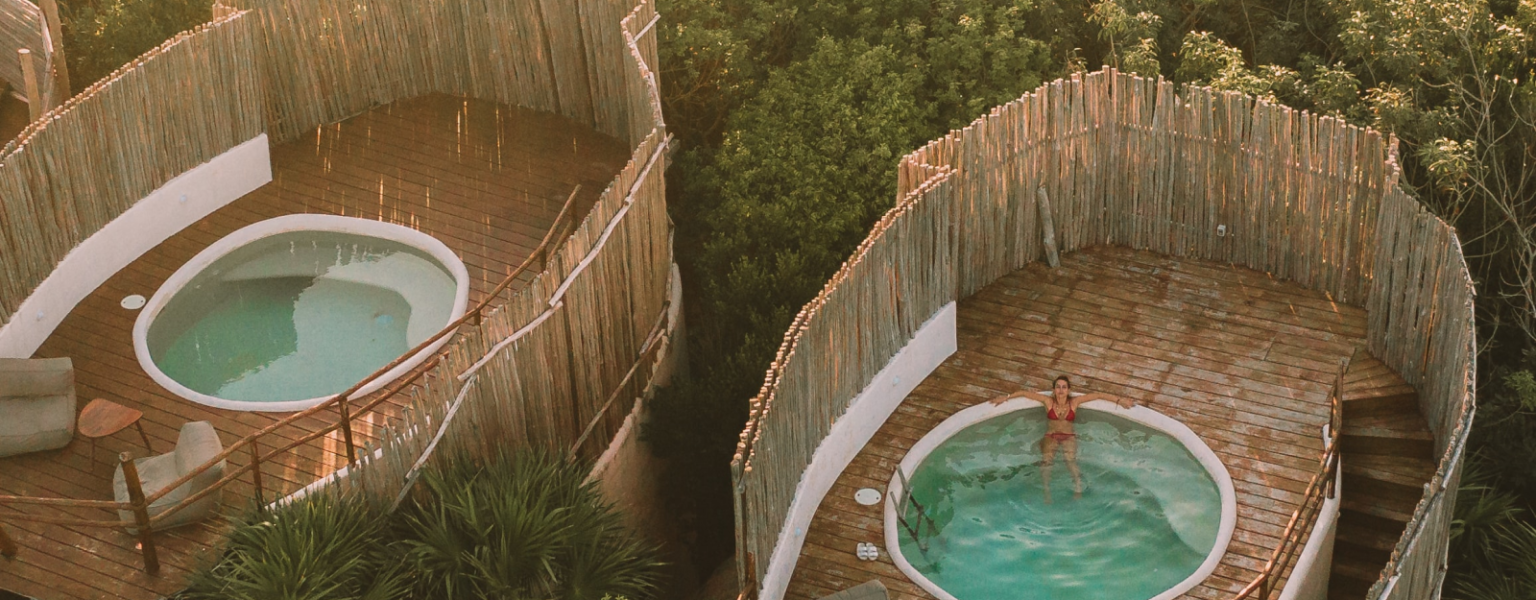
Rosewood Luang Prabang takes a completely different approach: luxury tented villas by Bill Bensley perched over waterfalls and jungle streams at the edge of the city. Romantic in a way that feels earned rather than manufactured, and genuinely spectacular at breakfast when the mist is still on the water. Belmond La Résidence Phouvao sits on a hill above the town with views over the river confluence that are worth waking up for.

THE RIVER

Kuang Si Falls, near Luang Prabang

Kuang Si Falls, near Luang Prabang

The Pak Ou Caves, two hours upstream by longboat on the Mekong, are limestone caves cut into the cliffs above the river housing thousands of Buddha images left by pilgrims over centuries — some ancient, some recent, some crudely made, some exquisite, all placed with the same intention. The boat journey up the river is itself worth the time: the Mekong here is wide and slow and brown, the forested hills on both banks unbroken, the occasional village appearing and disappearing.

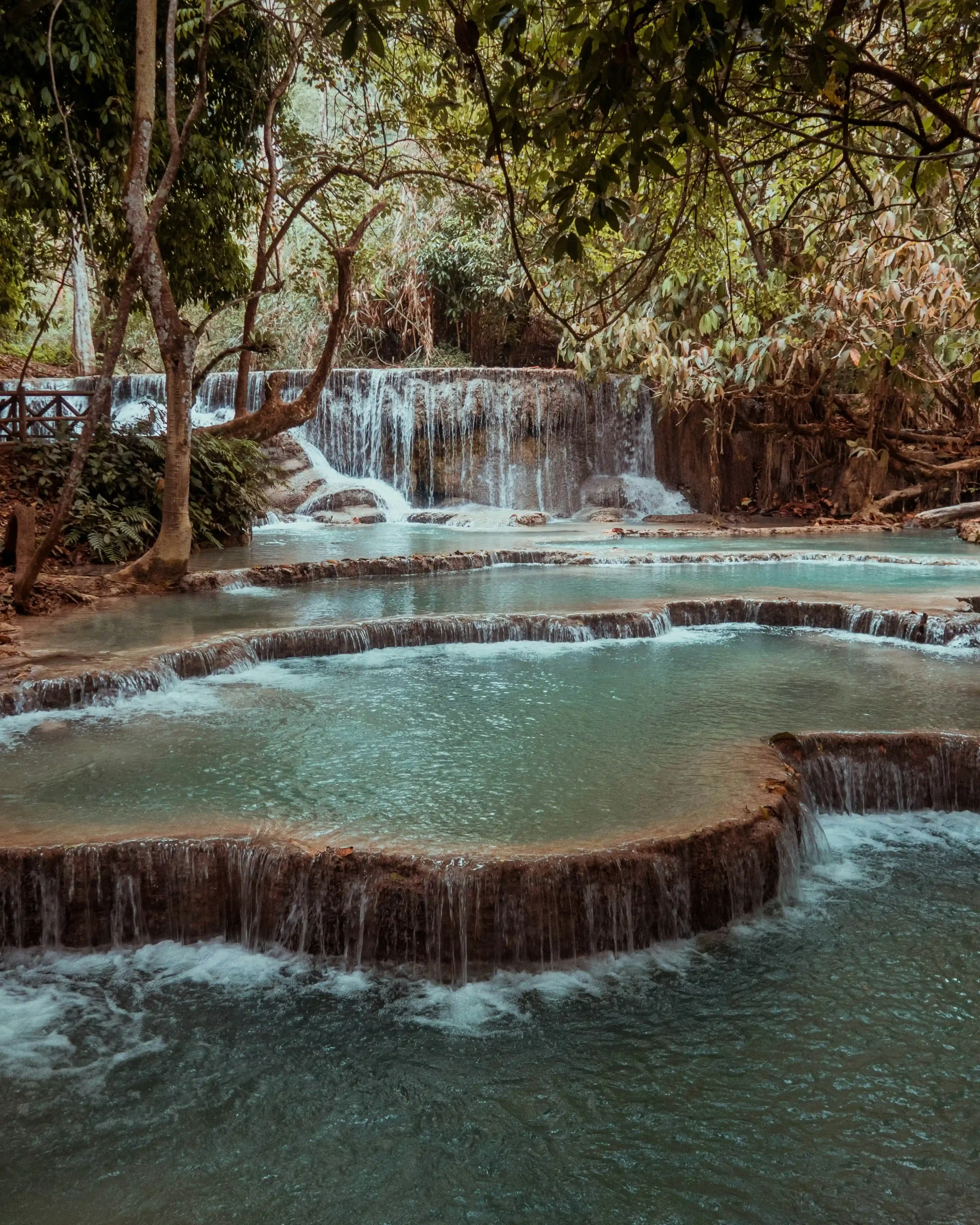
The Kuang Si Waterfalls, 29 kilometers south of the city, are a series of turquoise pools cascading through the jungle in tiers that look like they were designed by someone who had access to every shade of blue-green that exists. They are exactly as beautiful as every photograph suggests. Arrive early — before 9am if possible — when the upper pools are often empty. Swimming in them is permitted and recommended. Stay longer than you think you need to. The light through the forest canopy on the water is the kind of thing you try to describe when you get home and give up on because it doesn’t translate.

One evening, take a boat on the Mekong at sunset. You don’t need a plan or a destination. Just the river, moving slowly south toward everything else that’s waiting.