
Search icon
Adventure

Written by: The Va Beau Team July 6, 2026

South africa from the cape to kruger

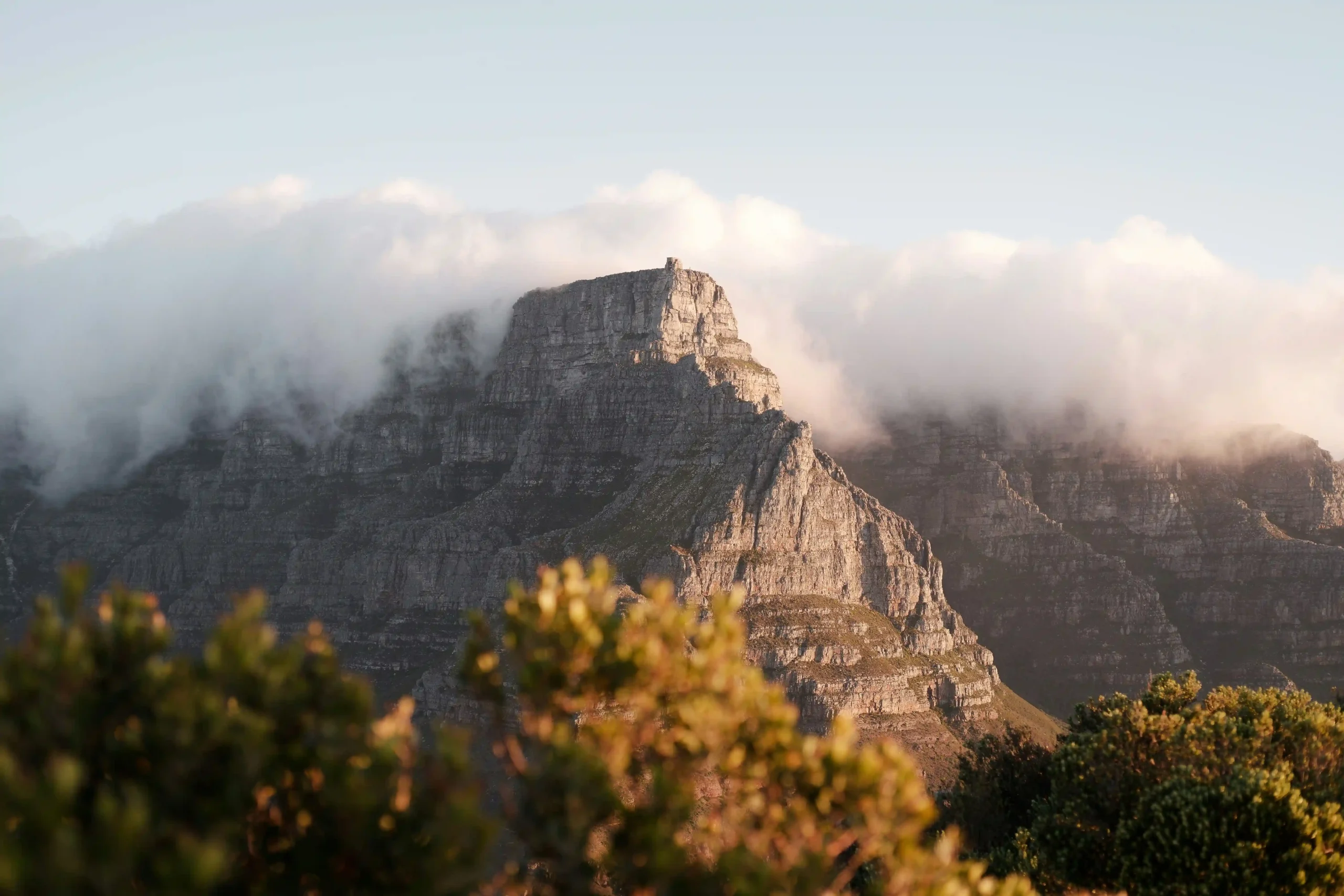
Table Mountain Cape Town tim-johnson placeholder

South Africa is the country that earns its nickname honestly. The world in one country — and it means it. Within its borders you will find one of the genuinely great cities on earth, one of the most exciting food and wine cultures in the Southern Hemisphere, an extraordinary concentration of wildlife, two thousand kilometers of coastline ranging from the wild Atlantic to the warm Indian Ocean, and a history so complex, so recent, and so present that you cannot spend a week here without it changing the way you see things. Including yourself.

For American travelers it is also, practically, one of the most accessible major adventures available. No visa required. Direct flights from several US cities. A rand-to-dollar exchange rate that makes extraordinary luxury feel, by any honest measure, like a reasonable decision. And yet relatively few Americans make the trip compared to Europeans, which means you will often have the experience of feeling like you found something.

THE CITY

Table Mountain Cape Town tim-johnson
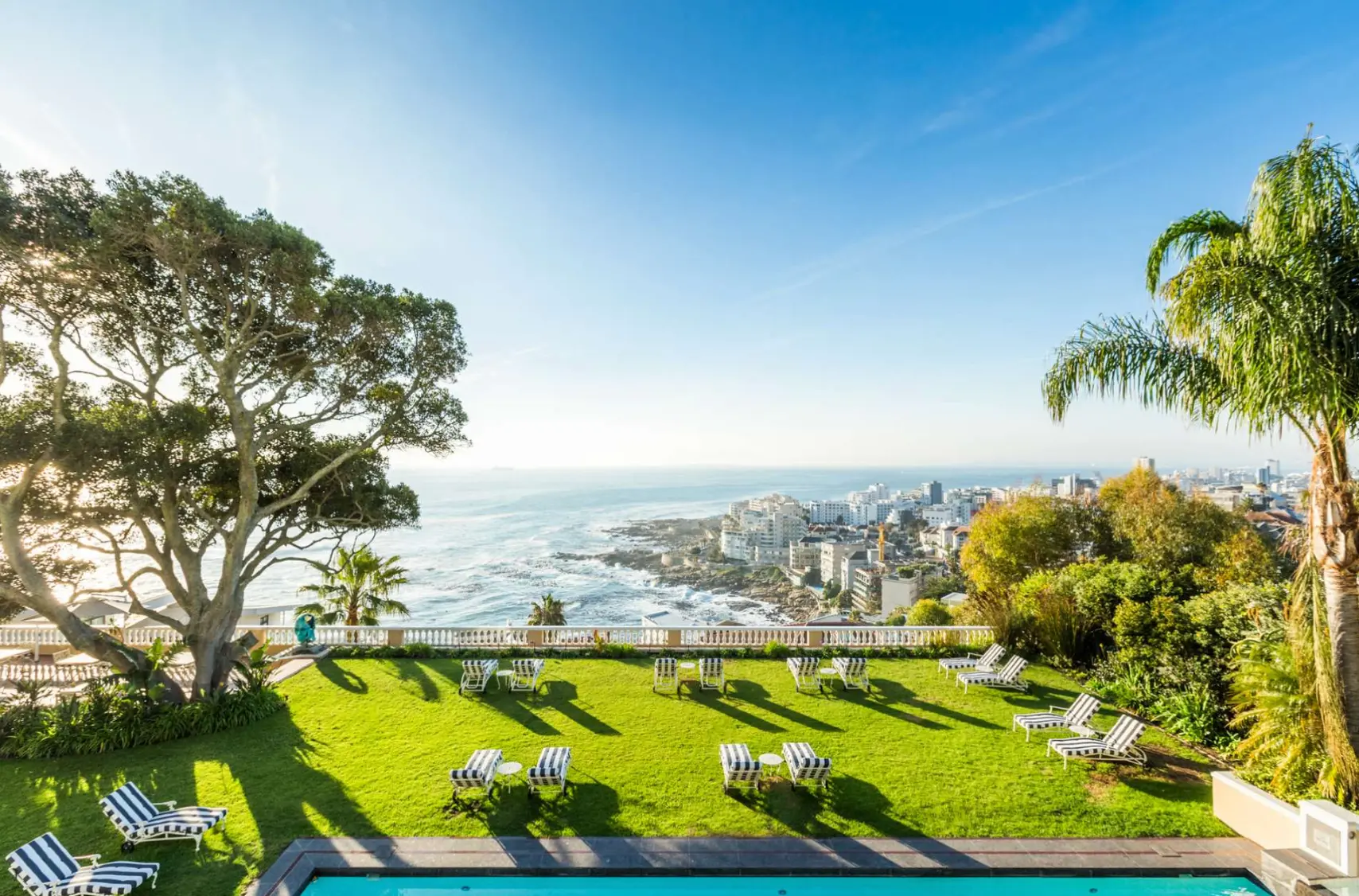
ellerman house cape town

Cape Town

Cape Town announces itself from the air. The plane banks over the ocean and suddenly there is the peninsula, the flat-topped mountain rising above it, the city spread along the Atlantic coast below, the Cape Winelands behind it, the green farmland extending south toward the Cape of Good Hope. It is one of the most dramatic approaches in aviation and it tells you, before you’ve landed, that you are somewhere genuinely different.

Table Mountain is not a metaphor. It is an actual flat-topped massif rising 1,085 meters directly from the city center, reachable by rotating cable car, visible from almost everywhere in the city, and hosting a unique ecosystem of fynbos — a flowering shrubland found nowhere else on earth — on its summit plateau. Go up in the morning when the clouds haven’t yet formed.

The view from the top takes in the entire peninsula, both oceans visible on clear days.
The V&A Waterfront has the Zeitz Museum of Contemporary Art Africa, opened in 2017 in a converted grain elevator by Thomas Heatherwick — each gallery space carved into the existing circular grain silos, so every room has a different organic shape. It is the largest collection of contemporary African art in the world and it is housed in a building that is itself a work of art. Give it at least two hours.

The Bo-Kaap, painted in every saturated color that exists, is the Cape Malay quarter — a culinary and cultural tradition rooted in the Cape Malay community — descendants of enslaved people and political exiles brought to the Cape from Southeast Asia, Madagascar, and other parts of Africa by the Dutch from the late 17th century onward and that runs through Cape Town’s food, music, and architecture in ways that are still being discovered. Eat a bobotie. Eat a koeksister. Ask where the locals eat and go there.

Ellerman House in Bantry Bay is eleven rooms in a private mansion above the Atlantic with one of South Africa’s most significant private art collections. The Silo Hotel, in the converted grain elevator above the V&A, is the most architecturally remarkable address in the city. Both are exceptional. Both require booking well in advance.
THE WINELANDS

placeholder

Delaire Graff Estate, Stellenbosch

Forty-five minutes from the city, the landscape shifts. The Cape Winelands are mountain-framed valleys of vineyards and Cape Dutch homesteads — whitewashed gables, thatched roofs, oak-lined avenues — producing wine that has fundamentally changed what the world expects from South Africa. This is not the same industry it was twenty years ago.

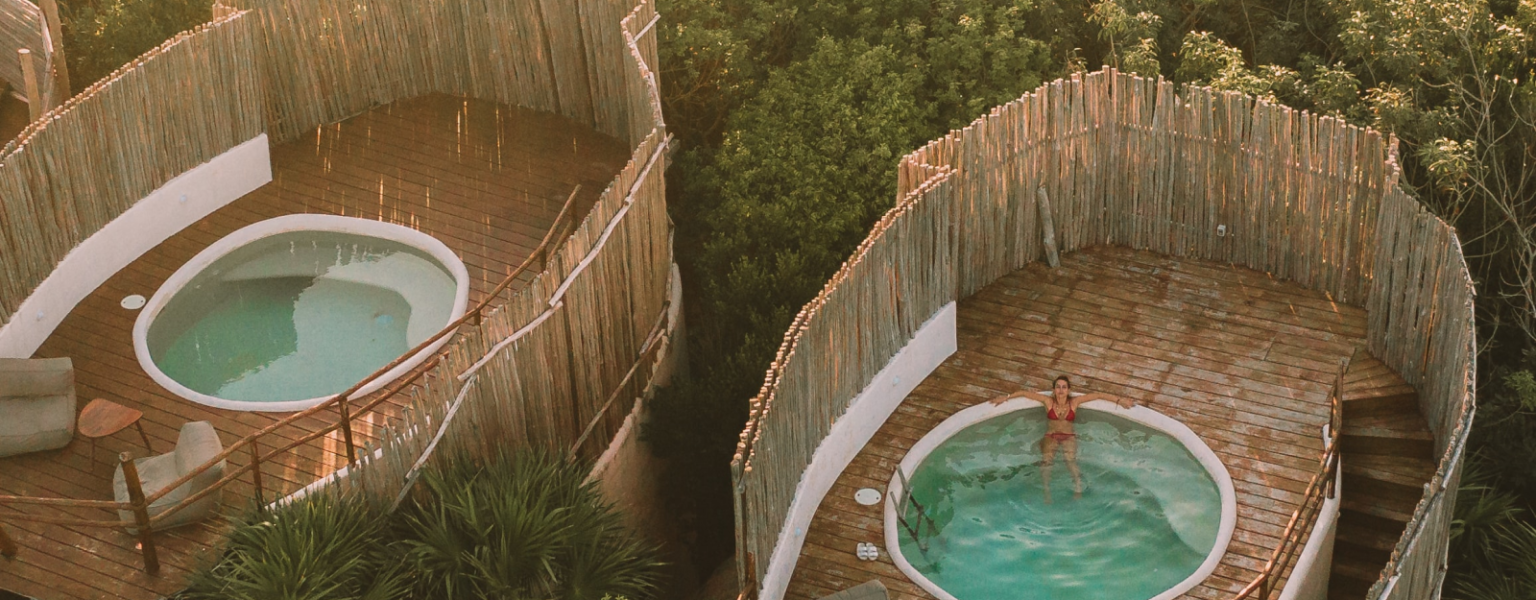
Stellenbosch is the center of gravity: a university town of Victorian streetscapes and serious Cabernet Sauvignon, where the winemaking has become genuinely world-class and the restaurant scene has caught up. Franschhoek — founded by Huguenot refugees in the 17th century — is the most beautiful of the Winelands towns, set at the head of a mountain valley and housing the finest concentration of restaurants in the region. Both deserve at least a full day. Delaire Graff Estate, on the Helshoogte Pass above Stellenbosch, combines Laurence Graff’s extraordinary art collection with world-class wine and a hilltop spa with views that make the word scenic feel insufficient.

THE GARDEN ROUTE

The Garden Route runs 300 kilometers along the southern Cape coast between Mossel Bay and Storms River, and the name, which sounds like a real estate brochure, turns out to be accurate. Knysna is built around a lagoon connected to the sea through two sandstone headlands called the Heads — dramatic, beautiful, and the source of the best oysters in South Africa. Eat them at the water’s edge. Tsitsikamma National Park, with its ancient yellowwood forests and the Storms River Gorge, is where the mountains come down to the sea and the swimming is excellent in the protected coves below the cliffs. Allow at least three days for the full route. Most people say they should have allowed five.

THE SAFARI

placeholder

Singita Boulders, Sabi Sands Game Reserve

The Sabi Sands Game Reserve shares an unfenced border with Kruger National Park and holds, within its 65,000 hectares, a wildlife density that experienced safari guides describe as among the highest on the continent. The Big Five. Daily leopard sightings. Elephant herds that cross the Sand River in the afternoon light. Lion prides at dawn.

Singita Boulders is the benchmark: glass-walled suites above the river, guiding of exceptional depth and passion, twice-daily game drives in open vehicles that put you close enough to feel the ground vibrate when a herd moves past. Royal Malewane, at the northern end of the Sabi Sands, is equally serious about its guiding and slightly more theatrical in its setting.

The first time a leopard walks out of the bush ten meters from your vehicle and stands there, completely indifferent to your presence, you will understand why people keep coming back to Africa. The game drive stops. Nobody speaks. The leopard looks at you once, decides you are uninteresting, and disappears back into the undergrowth. The whole interaction lasts perhaps forty-five seconds. You will think about it for years.

ellerman house cape town

Robben Island, Cape Town

Robben Island is a ferry from the V&A Waterfront. Nelson Mandela spent eighteen of his twenty-seven years in prison here. The tour is led by former political prisoners — men who were incarcerated in these cells, who can show you the courtyard where they broke rocks in the sun, and who now stand in front of international visitors and tell the story of what happened here with a composure that is either the most extraordinary example of human resilience you will ever witness or the most quietly devastating, depending on how you’re feeling that day.

The cell is smaller than you expect. The view of Table Mountain from the prison courtyard is beautiful in a way that is almost cruel — blue sky, the mountain clear on the horizon, the whole gorgeous city visible across the water. Mandela reportedly said he drew strength from that view. The visit is not comfortable. It is among the most important things a person can do in South Africa.