Search icon
Adventure

Written by: The Va Beau Team July 6, 2026

Peru more than machu picchu

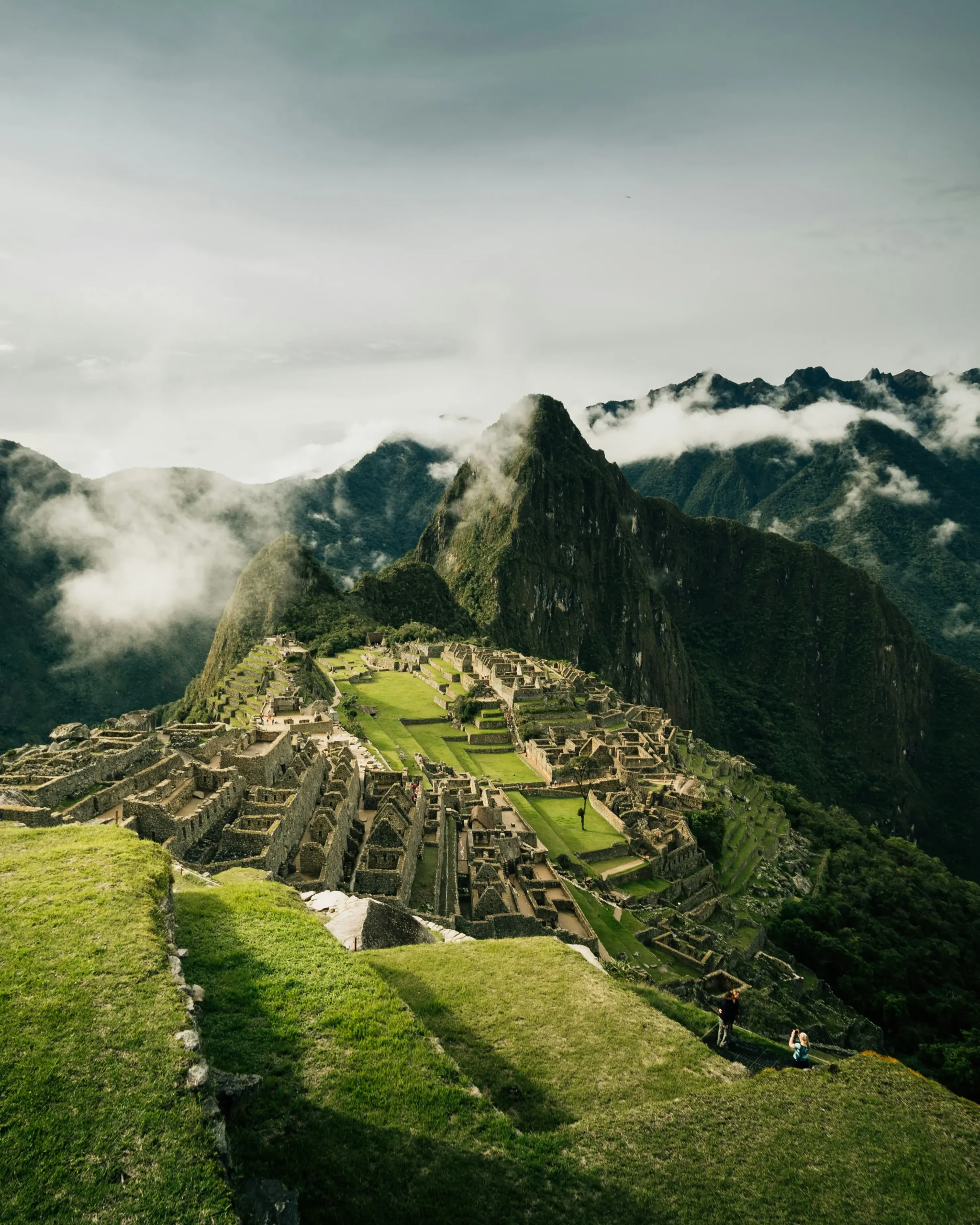
Machu Picchu at dawn - Image credit - eduardo-flores

Machu Picchu, Peru

Most people come to Peru for Machu Picchu, which is correct — Machu Picchu is everything it is supposed to be and more — but the travelers who leave Peru most profoundly changed are the ones who gave the country enough time to reveal its other arguments. Lima has become one of the great food cities on earth, full stop, not qualified, not in a regional sense. The Sacred Valley is one of the most beautiful agricultural landscapes in the world. Cusco is a city unlike any other in the Americas: Spanish Baroque churches built on Incan stone foundations, a plaza that stops you every time you see it, 3,400 meters above sea level, your body adjusting slowly while the city goes about its business around you.

Machu Picchu is the conclusion of a very good sentence. Go for the sentence.

Where to Eat

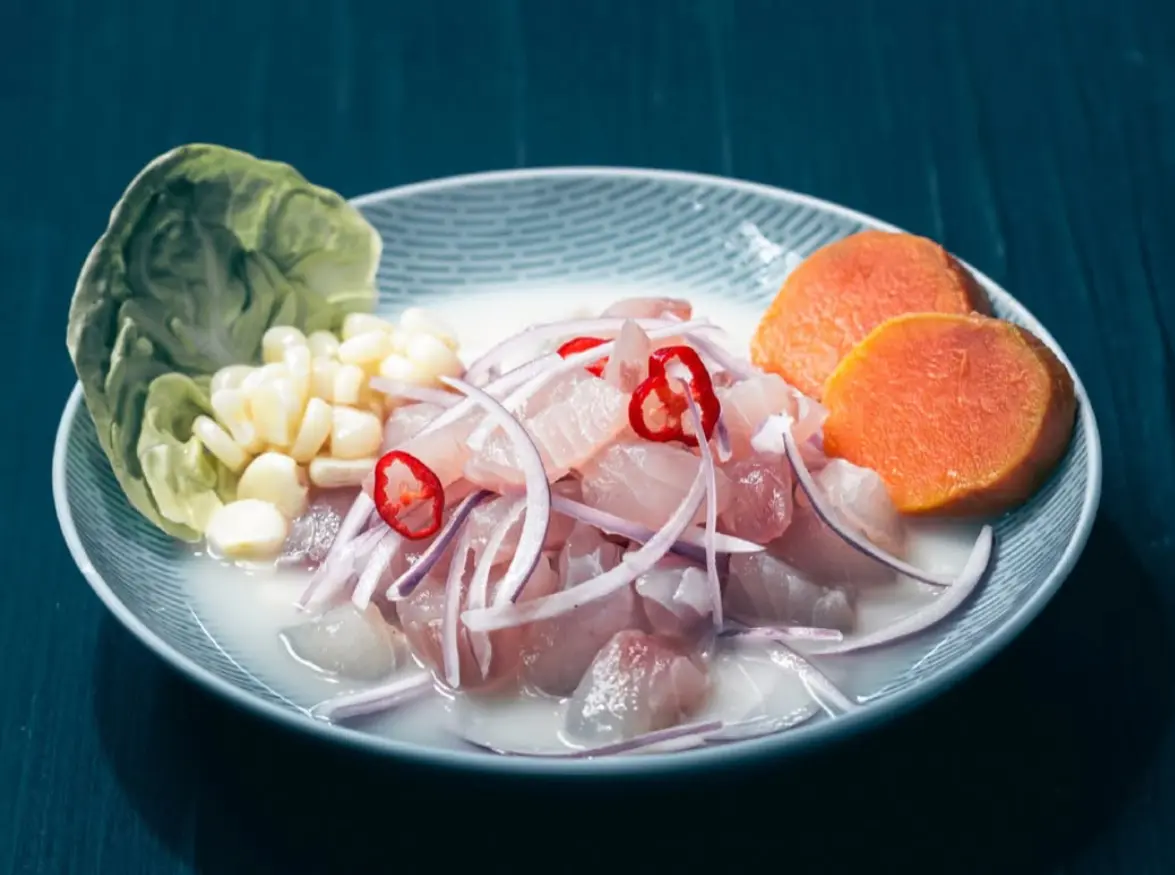
Ceviche at La Mar, Lima

Ceviche at La Mar, Lima

Lima changed the conversation about South American cooking a decade ago and has not looked back. The city’s restaurants are consistently among the top twenty in the world. This is not hyperbole and it is not regional qualification. It is a fact that food writers and chefs who travel specifically to eat have agreed on repeatedly.

Central, Chef Virgilio Martínez’s restaurant in Barranco, has occupied a position among the world’s top five restaurants for years. The tasting menu is structured as a journey through Peruvian altitude — each course a different ecosystem, from the Pacific floor to the high Andes, using ingredients that exist nowhere else on earth. Some of them — the native tubers, the highland grains, the Amazonian plants — have never appeared in a restaurant before Martínez started using them. Make this reservation before you book your flights. It sells out months in advance and it is worth the planning.

Maido, Chef Mitsuharu Tsumura’s restaurant in Miraflores, is the other non-negotiable. The Nikkei tradition — Japanese-Peruvian culinary fusion, developed over a century of Japanese immigration to Peru — produces combinations that should not work and consistently do. The cooking is technically extraordinary. The flavors are unlike anything you have eaten before. Make this reservation alongside Central.

La Mar, also in Miraflores, is where you go for ceviche at lunch: the leche de tigre bright with citrus and aji amarillo, the tuna causa, the cold beer and the good company and the particular pleasure of excellent seafood eaten at noon in a city above the Pacific. This is one of the great lunches on earth.

Miraflores, above the Pacific cliffs, is where to stay in Lima — the sunsets from the Malecón are consistently extraordinary, and the neighborhood has the best concentration of restaurants and shops. Barranco, the bohemian district a short taxi ride south, has the most creative energy and the most interesting smaller restaurants.

THE SACRED VALLEY

Ollantaytambo market - image credit - pamela-huber
placeholder

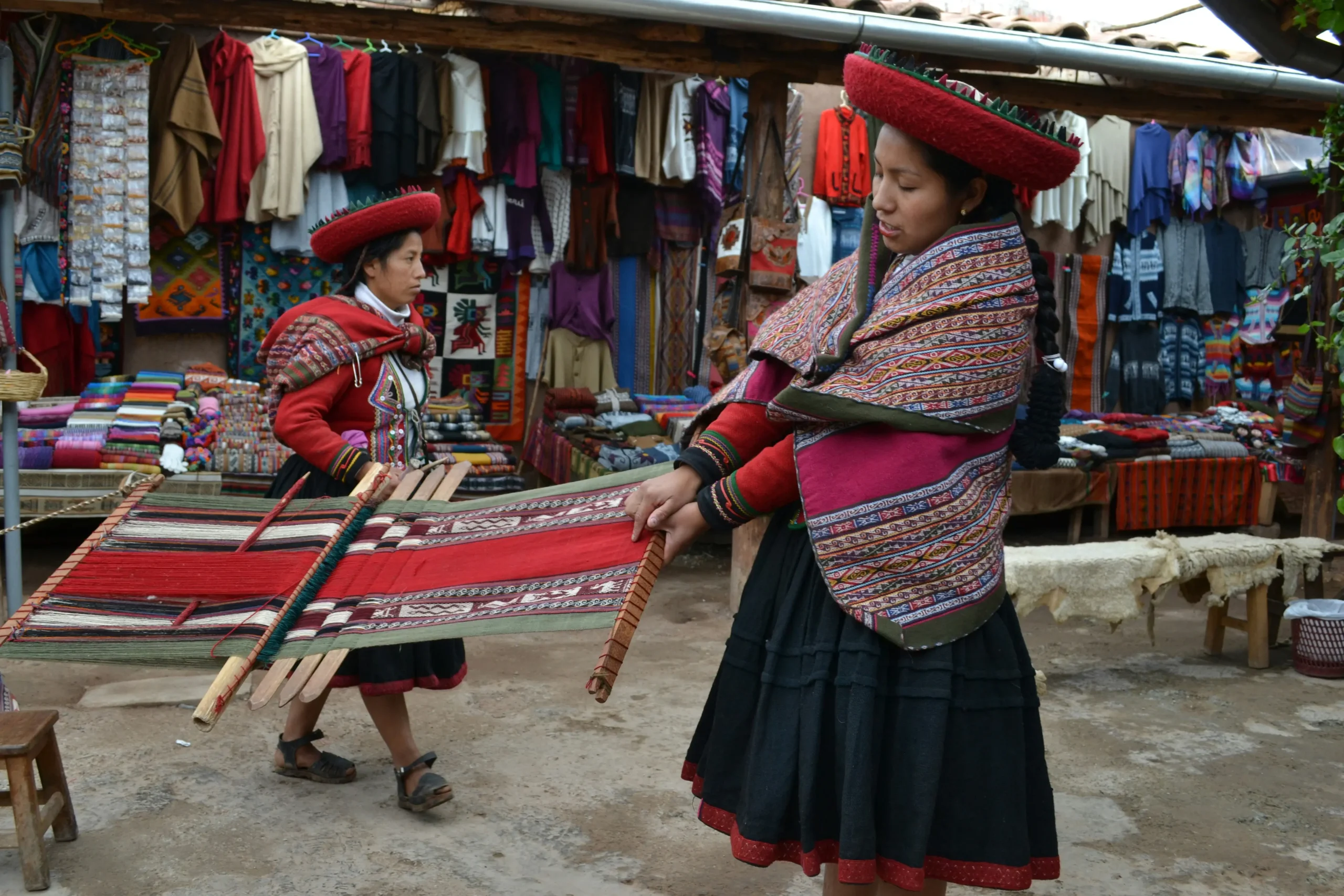
Ollantaytambo ruins; traditional weaving, Sacred Valley

The Sacred Valley of the Urubamba River runs between Cusco and Machu Picchu through a landscape of such beauty that it feels like overstatement to describe it — Incan terraces carved into steep hillsides, the river running below, snow-capped peaks rising above, Quechua communities in the valley floor maintaining agricultural and textile traditions that have continued unbroken for centuries. The quality of the Andean light here is specific and extraordinary: clear at altitude, golden in the afternoons, making everything it touches look considered.

Pisac market, on Sundays, is one of the finest markets in the Andes — local artisans, genuine craft, and the ruins above the town that most visitors don’t climb to. Climb to them. The view of the valley from the Pisac citadel is one of the finest views in Peru, and the site itself, carved into a mountain ridge, demonstrates an ambition of engineering that stops being impressive and starts being incomprehensible.

Ollantaytambo is a living Inca town — the 15th-century street grid still inhabited, the water channels still flowing, the massive terraced fortress above the town still exactly where it was built. It is where the Incas won a famous battle against the Spanish in 1537. It is where Hernando Pizarro was forced to retreat. The stones of the temple complex were brought from a quarry on the mountain across the valley, a distance and a logistics problem that no contemporary engineer has fully explained.

The weaving cooperatives in villages like Chinchero use backstrap looms and natural dyes and patterns that encode cosmological and historical information in a visual language that predates the written word. Buy directly from the cooperative. What you are buying is not craft in the decorative sense but a form of knowledge.

MACHU PICCHU

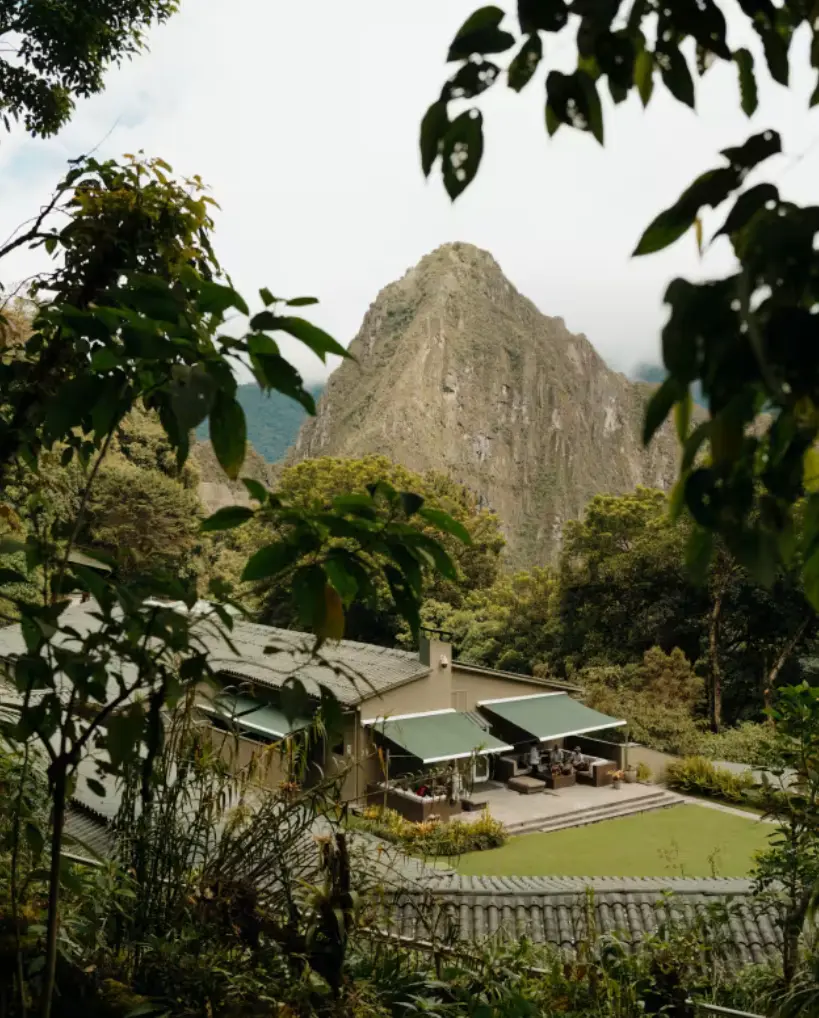
Belmond Sanctuary Lodge - Image credit Belmond

Belmond Sanctuary Lodge, Machu Picchu

Book the first entry slot of the day. 6am. Walk through the gate before the light has fully arrived, when the clouds are still in the valley below and the citadel emerges from the mist slowly, section by section. Hire a private guide who knows the Incan cosmology — the solstice alignments, the agricultural terracing calibrated to specific microclimates, the water channels that still flow, the way the whole complex is oriented to the surrounding mountains as if placed there by someone who had a conversation with the landscape before building anything.

Hiram Bingham III announced the existence of Machu Picchu to the outside world in 1911. The site had not been abandoned — local farmers knew it, knew it well — but it was invisible to the colonial and post-colonial world until an American academic was shown it by a local child. This is worth knowing. The story of Machu Picchu is partly the story of what the outside world ignores until it decides to pay attention.

Belmond Sanctuary Lodge is the only hotel at the entrance to the citadel. The location is without equivalent in South America. Stay at least two nights — once for the morning, once for the afternoon light, once for the evening when the last tourists have left.

CUSCO

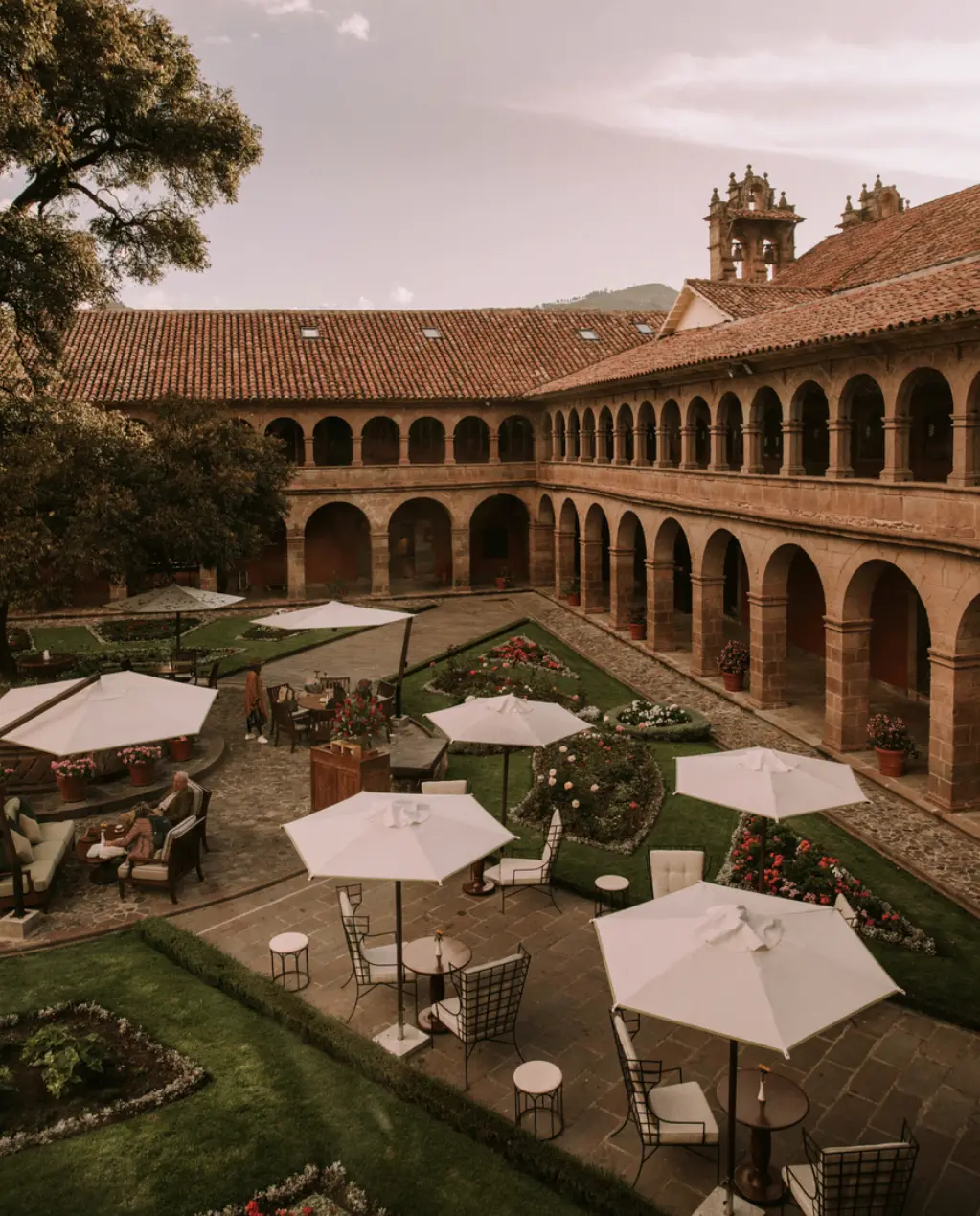
Belmond Monasterio

Belmond Monasterio, Cusco

Cusco at 3,400 meters requires a day. Drink the coca tea. Walk slowly. Do not attempt vigorous activity on day one. By day two the altitude has settled into something manageable and the city reveals itself: the Plaza de Armas, one of the finest public spaces in the Americas; the Coricancha, the Incan Temple of the Sun now incorporated into the Church of Santo Domingo; the Cathedral, built over the palace of the Inca Viracocha; the stones.

The stones are the thing. Everywhere you walk in the historic center you are walking on Incan foundations — massive granite blocks, fitted together without mortar with a precision that has survived centuries of earthquakes that destroyed the Spanish buildings built above them. The Incas built to last. The Spanish built on top of what lasted. Cusco is the record of both in one place.

Mil, Virgilio Martínez’s restaurant in the Incan terraces at Moray, serves a menu built entirely on ingredients from the surrounding altitude zones — grains and roots and herbs from the Andean highlands that have been cultivated here since before the Incas existed. The setting is extraordinary. The food is extraordinary. Make this reservation alongside Central and Maido before you leave home.