
Search icon
Adventure

Written by: The Va Beau Team July 6, 2026

Egypt the greatest show on earth

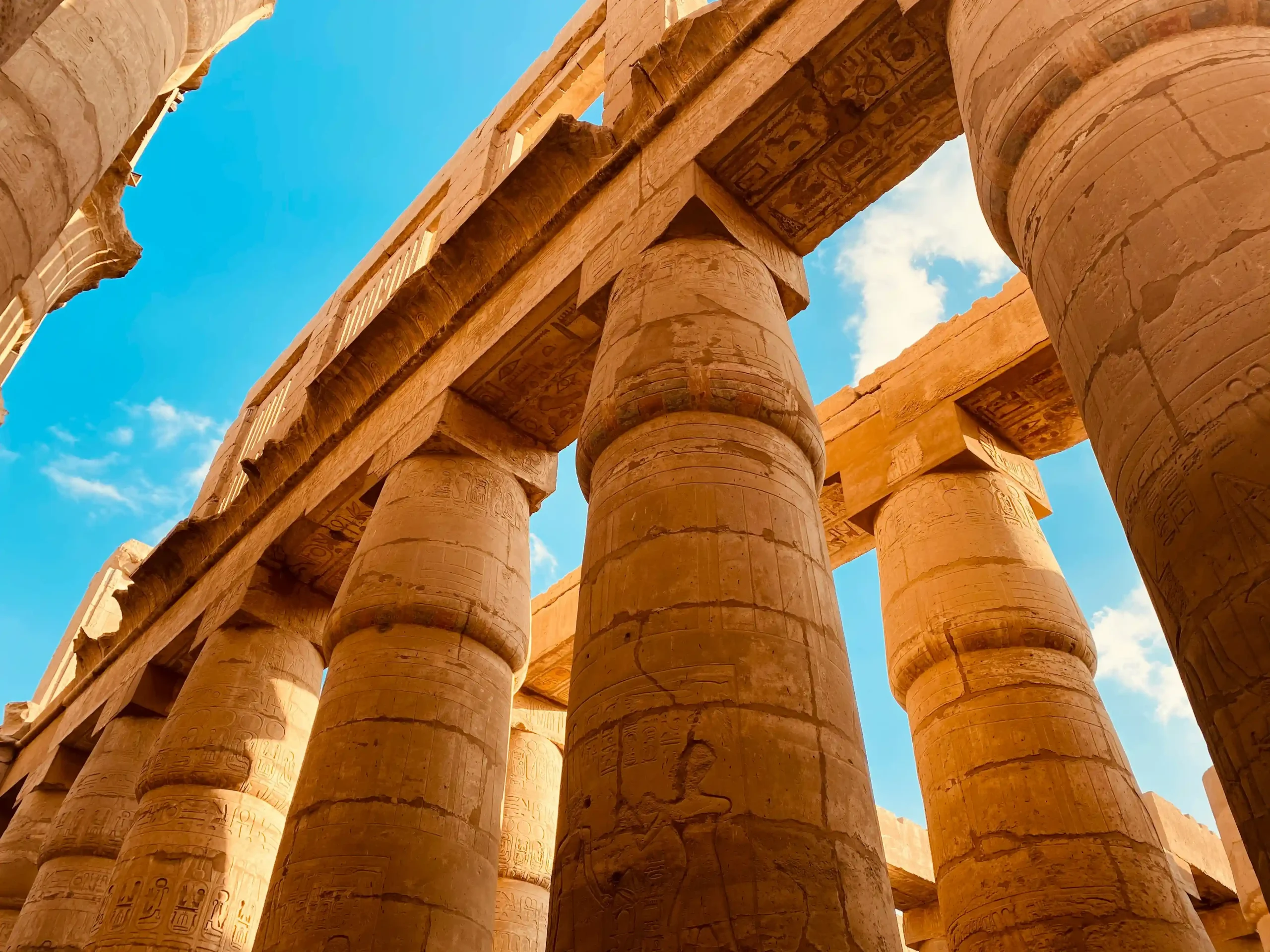
Karnak Temple Complex - image credit Mo Gabrail placeholder

Nothing prepares you for Karnak. You have seen the photographs. You know, intellectually, that you are about to encounter something large and ancient. And then you walk through the entrance and into the hypostyle hall, 134 columns, each one 23 meters tall, covered from base to capital in carved hieroglyphs that have been readable for three thousand years, and your reference points stop working. This is not photographic scale. This is body scale. You feel it differently.

THE TEMPLES

Karnak Temple Complex is the largest religious structure ever built — a compound of temples, obelisks, sacred lakes, and processional avenues accumulated over two thousand years of successive pharaohs. Visit at dawn, before the heat arrives, when the light is low and the columns cast long shadows. Luxor Temple, connected to Karnak by a three-kilometer avenue of sphinxes, is worth seeing at night when illuminated.

Cross the Nile to the West Bank. The Valley of the Kings holds sixty-three royal tombs cut directly into the rock, their walls painted in colors, lapis blue, malachite green, ochre, deep red, that seem recent. They are three thousand years old. The pigments were ground from semi-precious stones by people whose names we mostly don’t know.

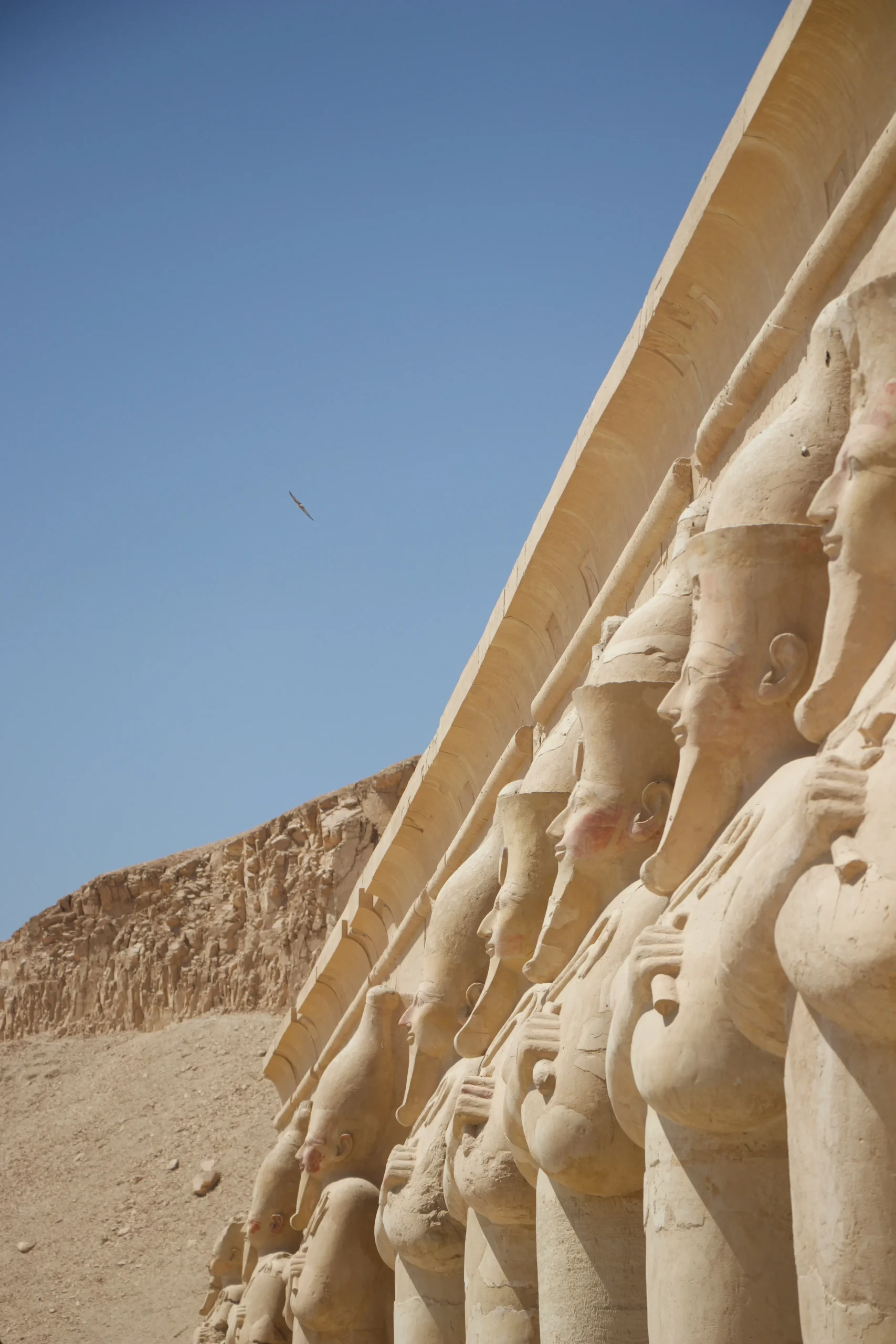
Hatshepsut’s mortuary temple at Deir el-Bahri rises in three colonnaded terraces against the cliff face in the morning light. Arrive before the tour groups. The combination of scale, silence, and quality of early morning light makes it one of the most powerful sights in Egypt. Hire a private Egyptologist guide for every day on land — the difference between seeing and beginning to comprehend.
THE NILE

Hatshepsut Temple- image creditjordi-orts-segales
placeholder

Luxor West Bank

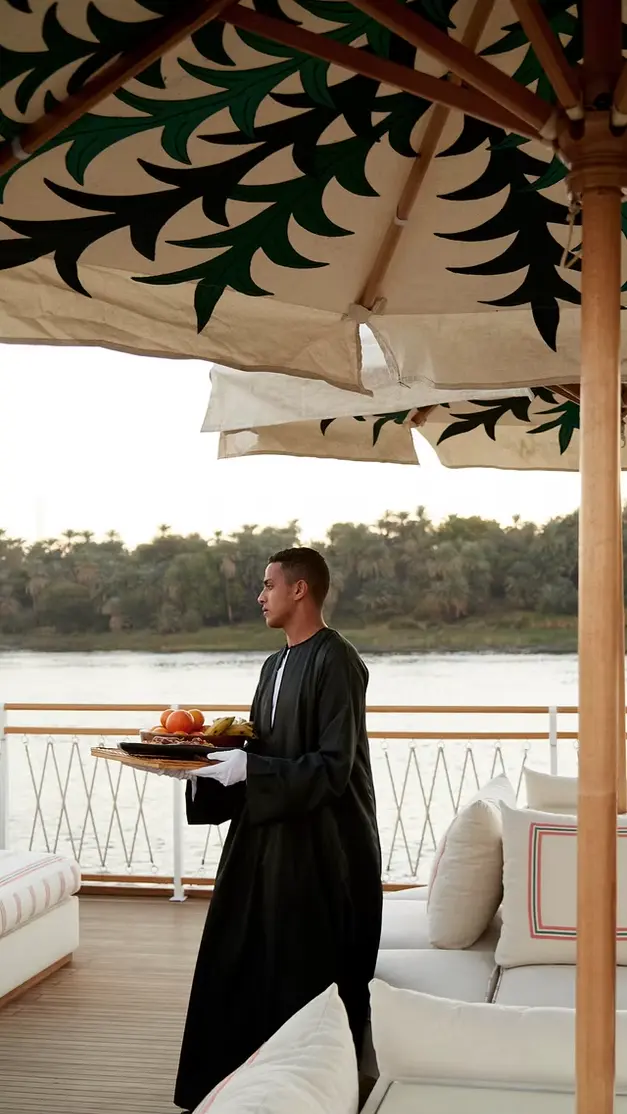
A cruise between Luxor and Aswan, whether on a modern vessel or an intimate dahabiya, the traditional wooden sailboat, is one of those travel experiences that exists in its own category. The riverbanks pass in a slow procession of palm groves, Nubian villages, and ancient temples appearing at the water’s edge. The light at sunset changes the color of the river entirely.

Along the route: Edfu, where the Temple of Horus is the best-preserved in Egypt. Kom Ombo, a twin temple at the river’s edge. And Aswan, where the pace slows and the Philae Temple rises from its island like a vision.

Add a sunrise hot-air balloon over the West Bank at Luxor. Add Abu Simbel if the schedule allows — the colossal rock temples of Ramesses II, relocated stone by stone in the 1960s to save them from rising floodwaters, are among the most audacious engineering achievements of the 20th century.

Nile cruise =a dahabiya

Sailing the Nile between Luxor and Aswan

Where to Sleep

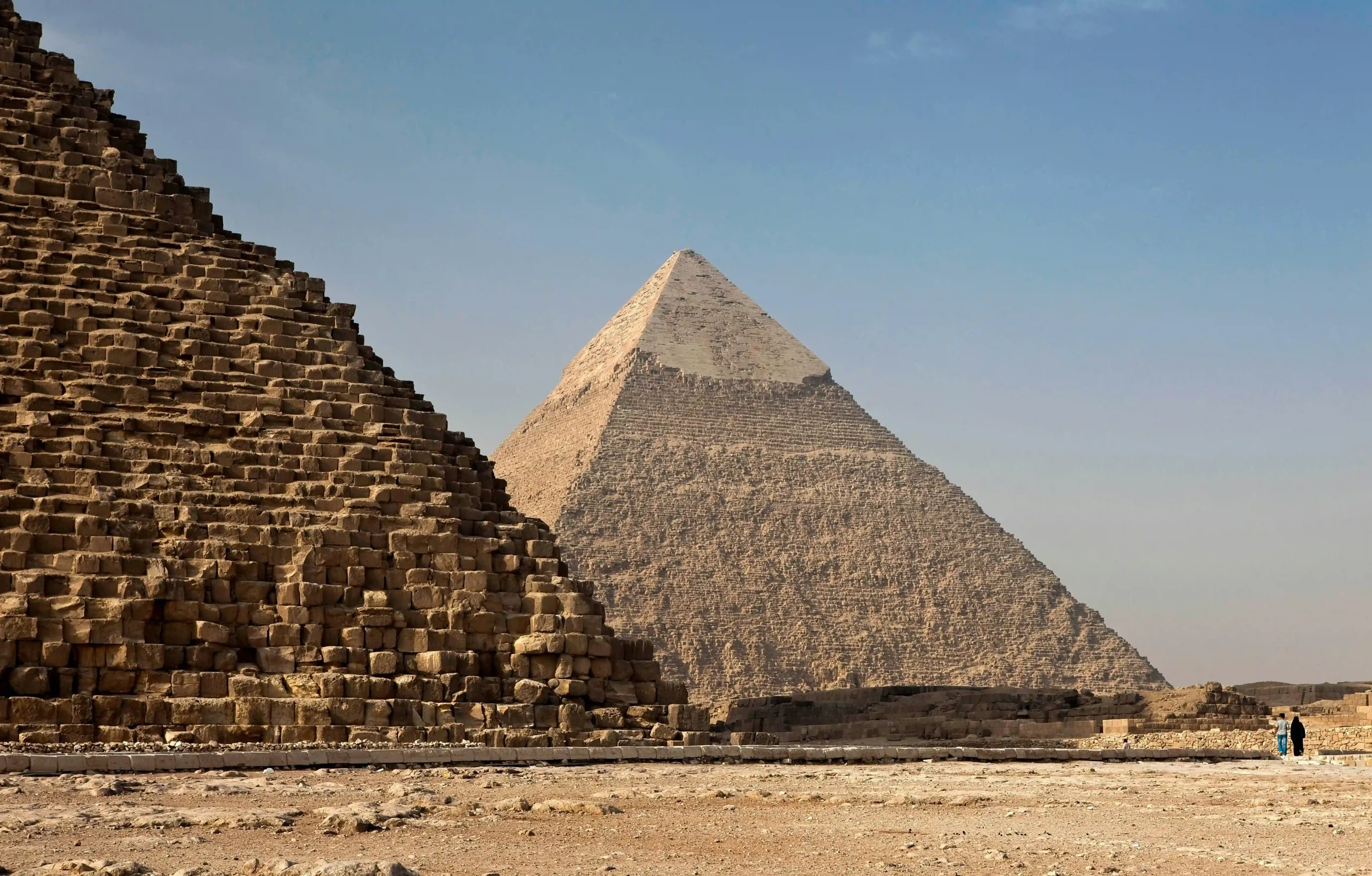
The Great Pyramid of Giza - Image creditricardo-gomez-angel-

The Pyramids of Giza, Egypt

The Old Cataract Hotel in Aswan, a colonial palace of pink granite on a promontory above the First Cataract, open since 1899 and said to have inspired Agatha Christie while she wrote Death on the Nile, is the historic address. Have something cold on the terrace as the light changes over the Nile. Al Moudira on Luxor’s West Bank is an oriental fantasy of hand-painted murals and organic desert gardens. The Marriott Mena House at Giza puts you at the foot of the Great Pyramids, visible from the garden, the pool, your room. Give Cairo two or three days, the Grand Egyptian Museum, which opened in late 2024 near the Pyramids, is the largest archaeological museum in the world and houses the complete treasures of Tutankhamun.