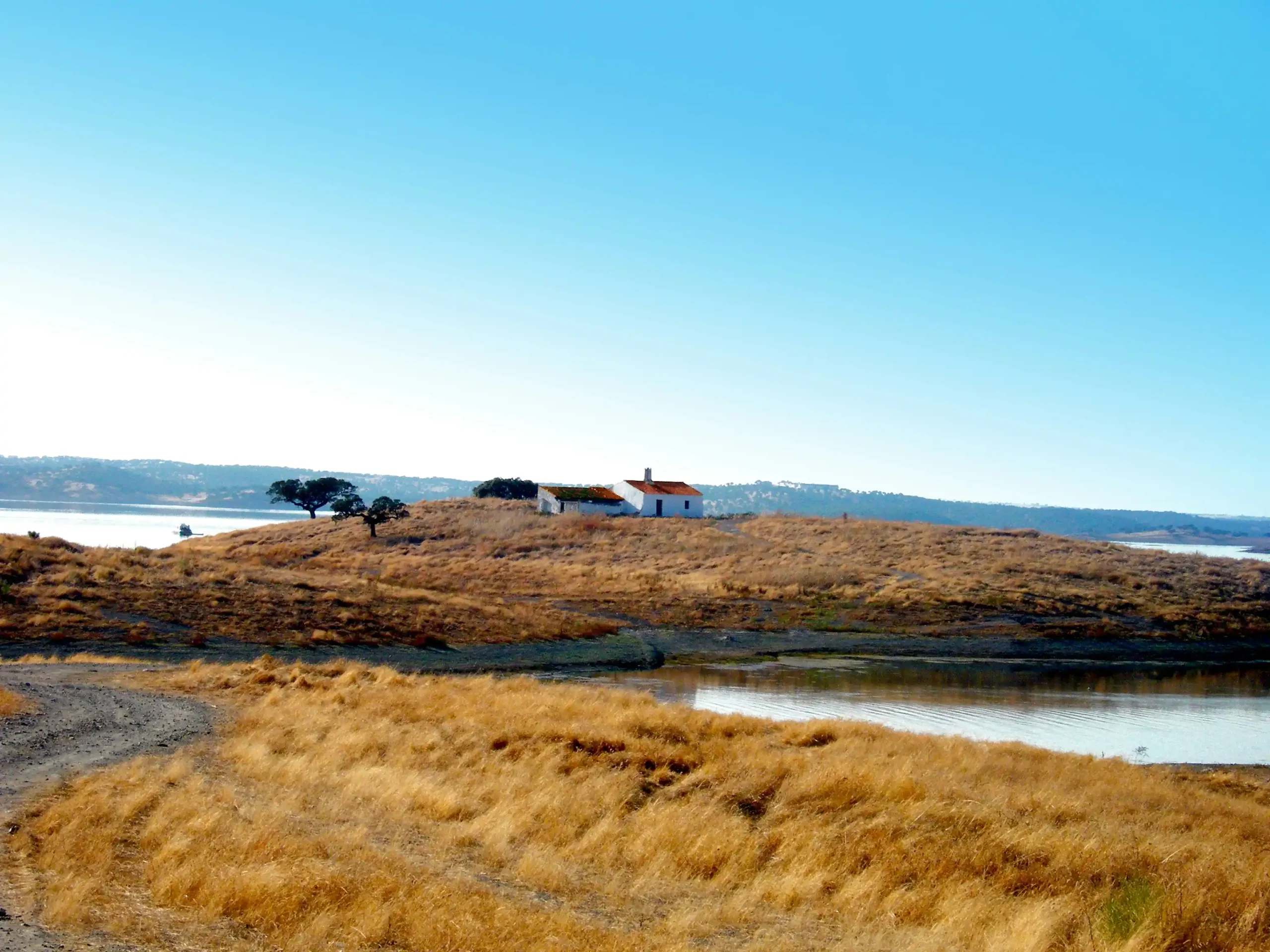
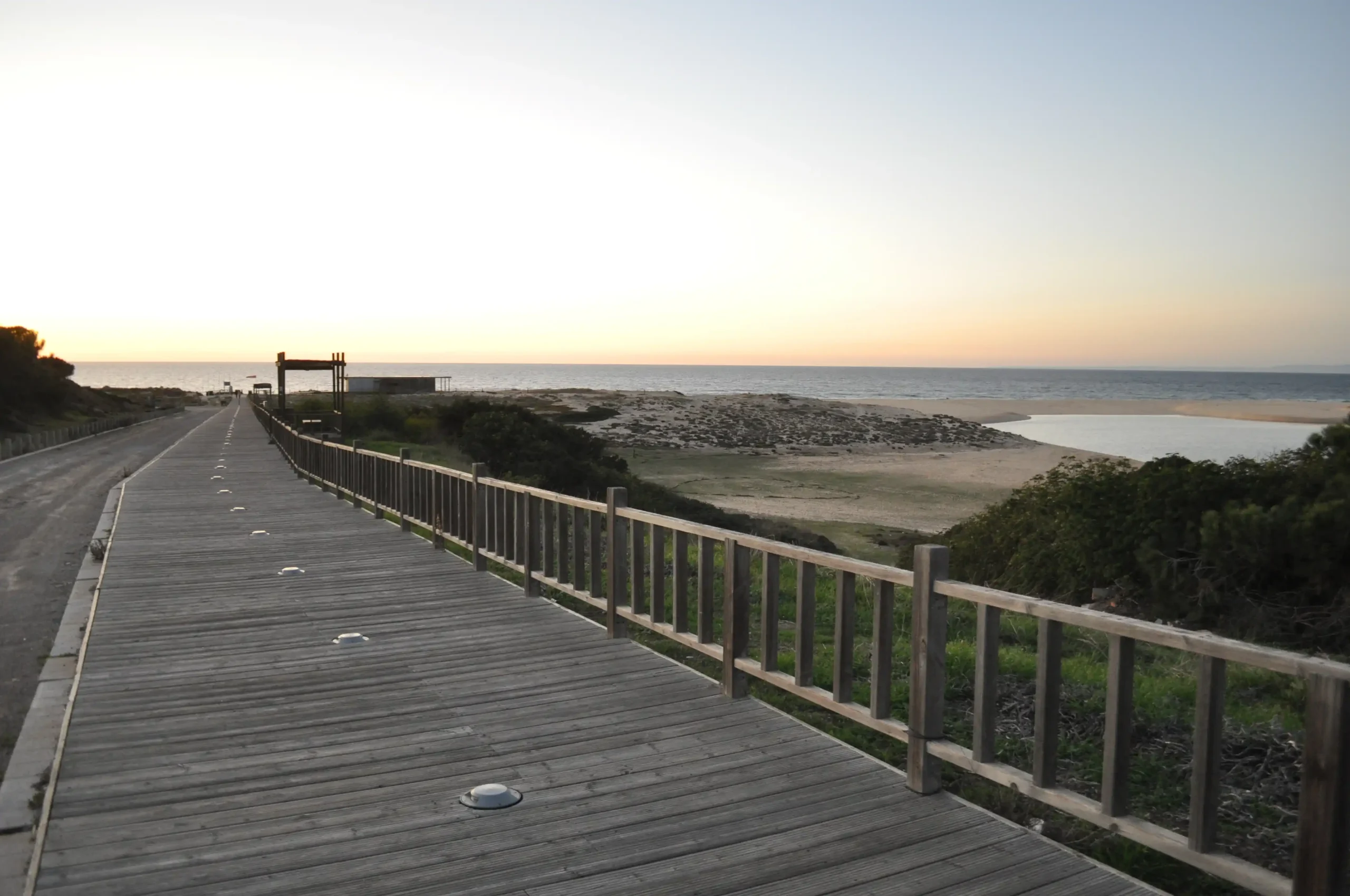
Where the Alentejo meets the Atlantic, the landscape empties out. The rice fields turn gold in summer. The roads narrow. The pine forests thicken. And then the beach appears — wide, wild, Atlantic-facing, with almost nothing built on it. This is Comporta, and it has become one of the most talked-about destinations in Europe for good reason. It is what the Hamptons might have been if nobody had ruined it.
Comporta is not a town so much as a feeling. A cluster of whitewashed houses, a handful of restaurants, rice paddies running to the sea, horses on the beach at dusk. The crowd that has discovered it — architects, designers, editors, a certain kind of European creative class that moves quietly and spends deliberately — has not yet tipped it into the overcrowded and overpriced. It is still, just about, itself. Go now.
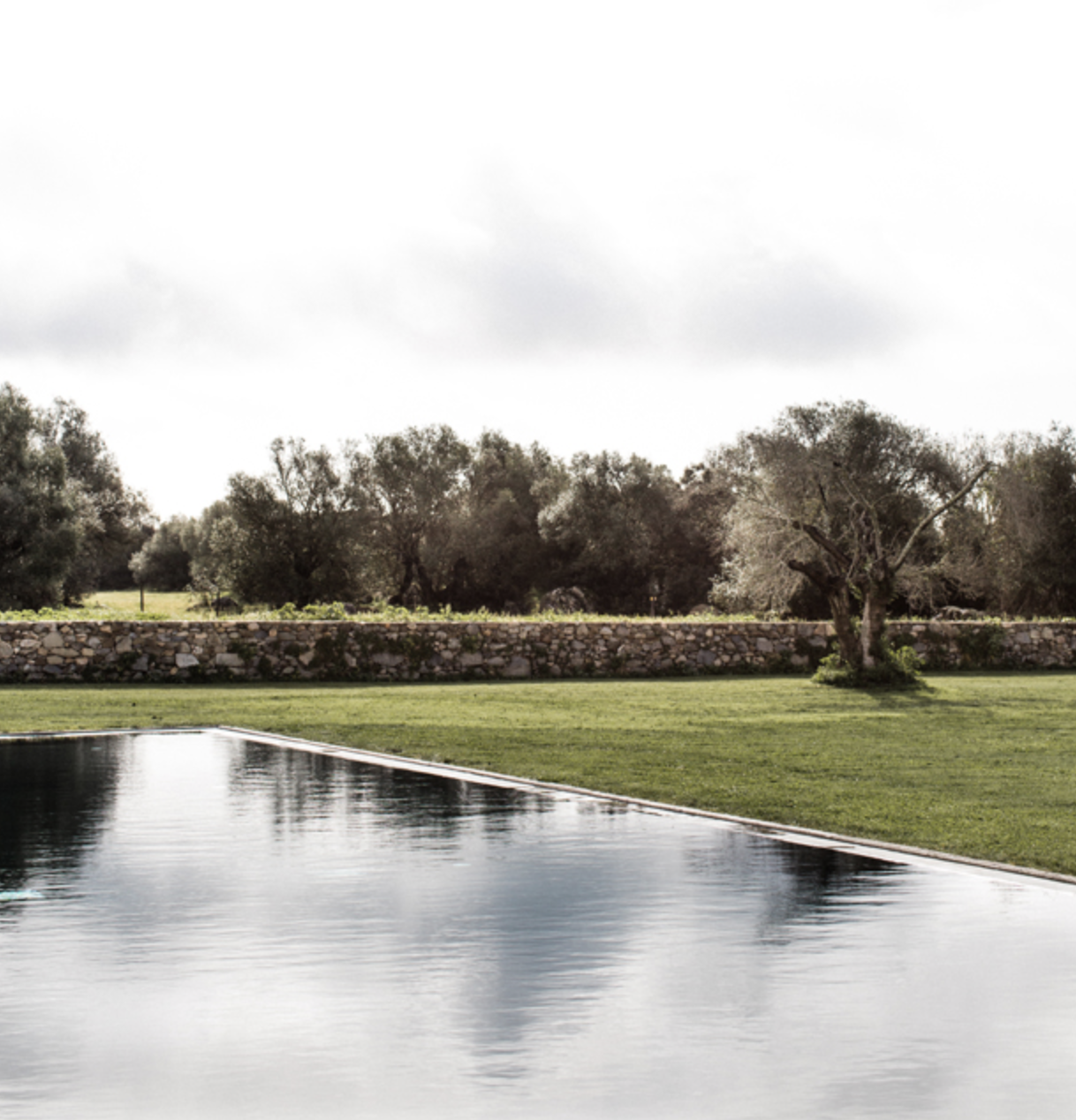
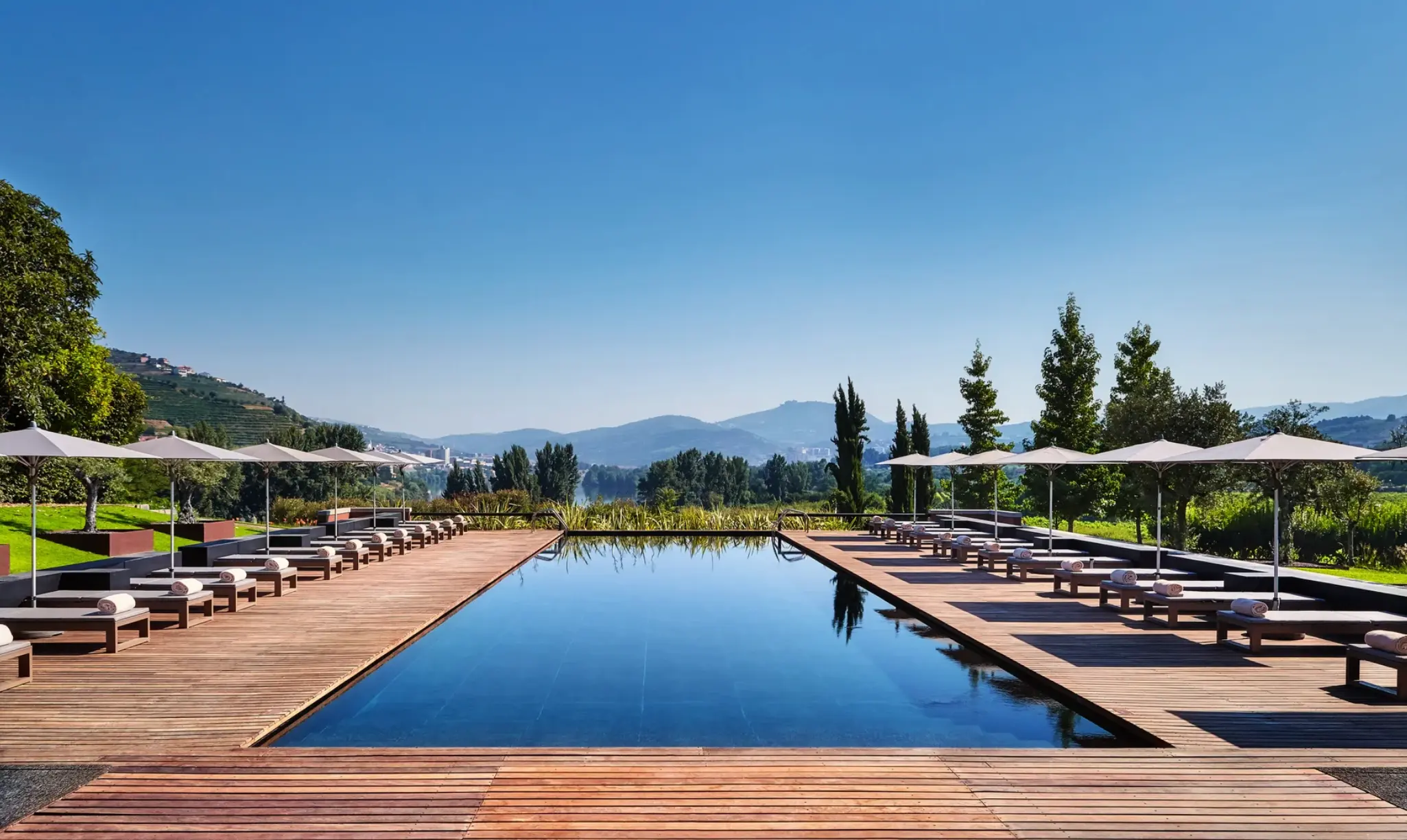
Quinta da Comporta, designed by Portuguese architect Miguel Câncio Martins and set directly on the rice fields at Carvalhal, is the hotel that defines the aesthetic of the region. Whitewashed walls, honey wood, wicker, sisal rugs — the rooms feel like the most considered version of a traditional Portuguese farmhouse, and the infinity pool extending over the paddy fields is one of the great pool views in Europe. The Oryza Spa is exceptional. Carvalhal beach is a fifteen-minute bicycle ride away.
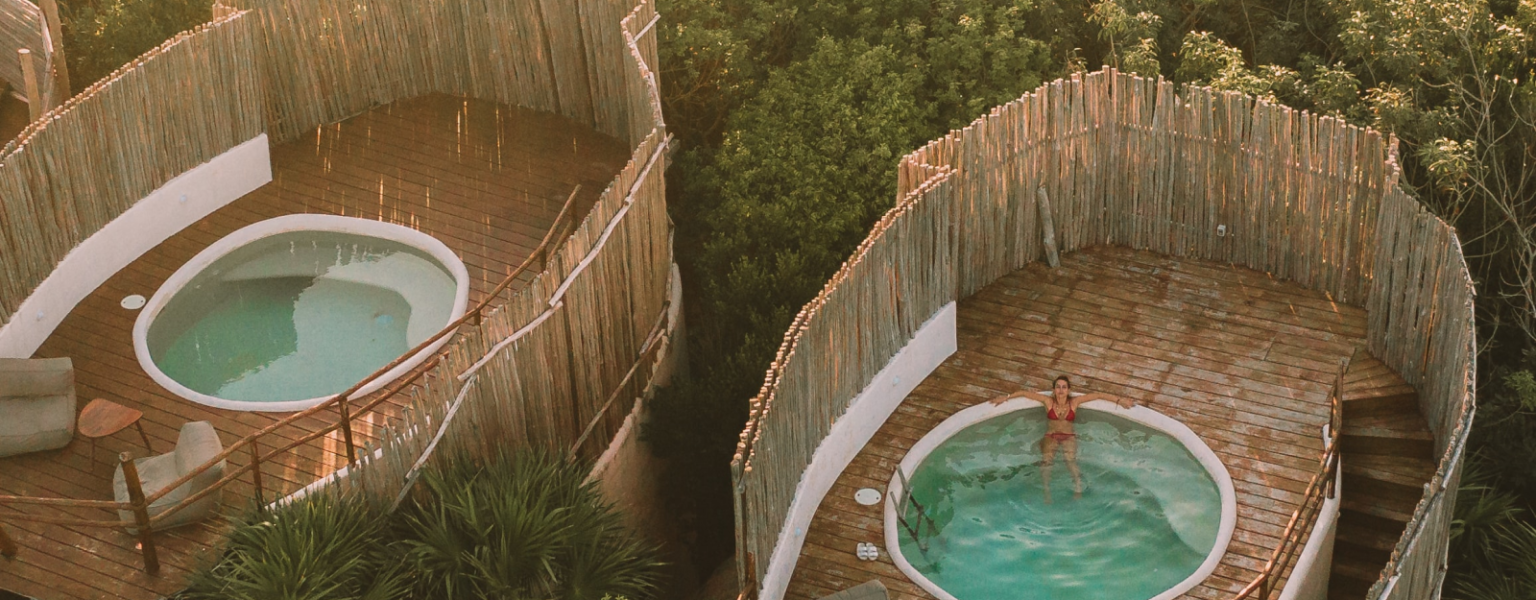
Sublime Comporta, set in the pine forest between the village and the sea, is the larger and more resort-oriented option — beautiful pool, excellent spa, the pine trees filtering the Atlantic light in a way that makes the whole property feel golden by afternoon.
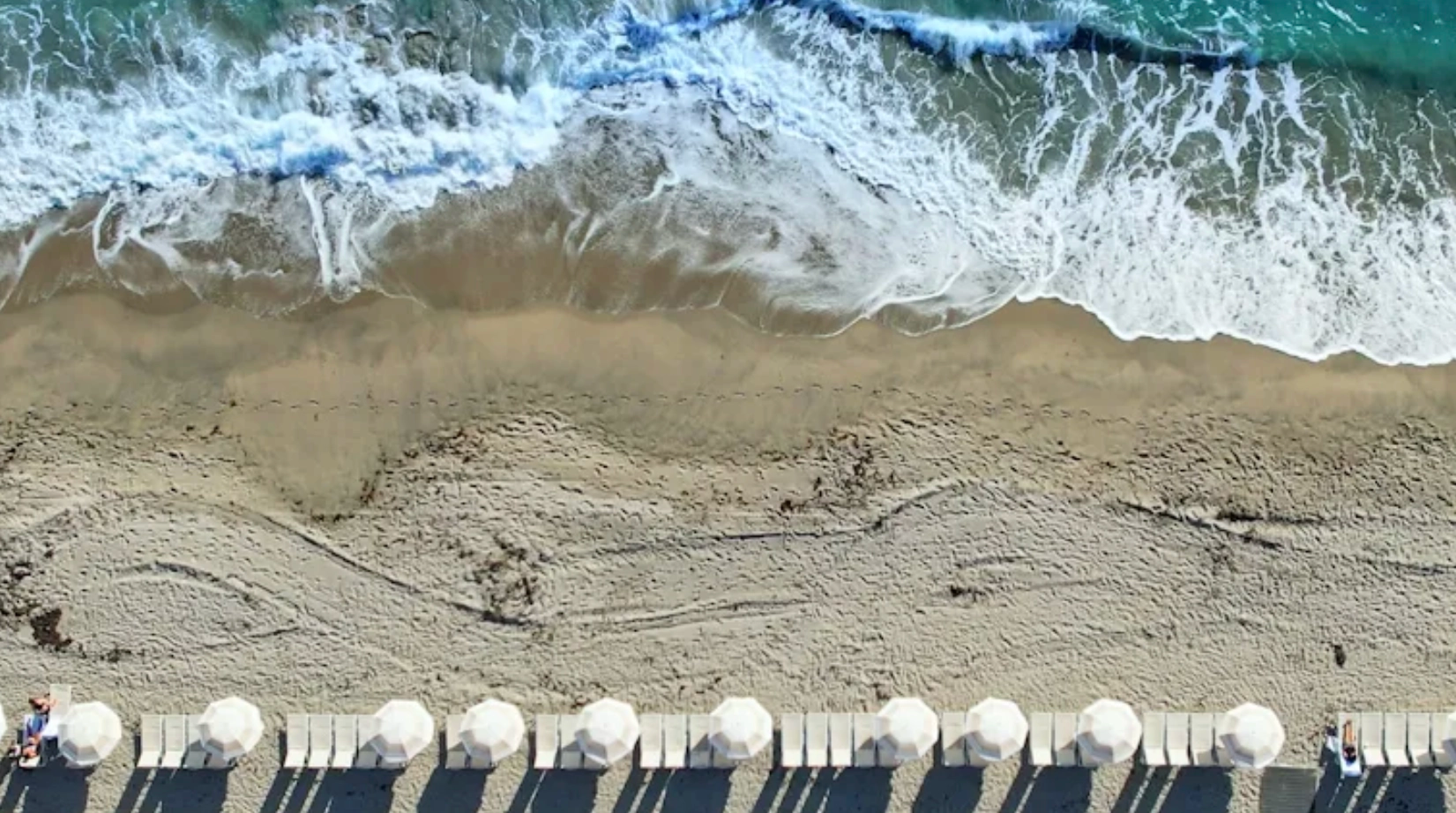
For dinner: Restaurant SAL, right on the beach, is the table everyone ends up at eventually — fresh seafood, white chairs, the whole Atlantic in front of you. Cavalarica is the serious option — thoughtful Portuguese cooking with real technique, the kind of meal that earns its own detour. Dona Bia has the local feel that the others sometimes miss: eclectic, warm, the room itself worth the visit.
For shopping: Stork Club is the studio and store of Jacques Grange — the French interior designer who arrived in Comporta thirty years ago and is widely credited with defining the aesthetic of the place — run together with Parisian gallerist Pierre Passebon. What’s inside reflects exactly that pedigree: ceramics, wicker, baskets, and objects that are simultaneously rustic and completely chic, assembled with an eye that takes decades to develop. Worth stopping for even if you buy nothing. The Life Juice, identifiable by its cobalt blue doorway, does ceramics and homeware. Cool Comporta does beach fashion — hats, bags, linens — in the easy way that only a certain kind of resort town can pull off. The Comporta Gallery and the Boutik at Quinta da Comporta are both worth an afternoon.
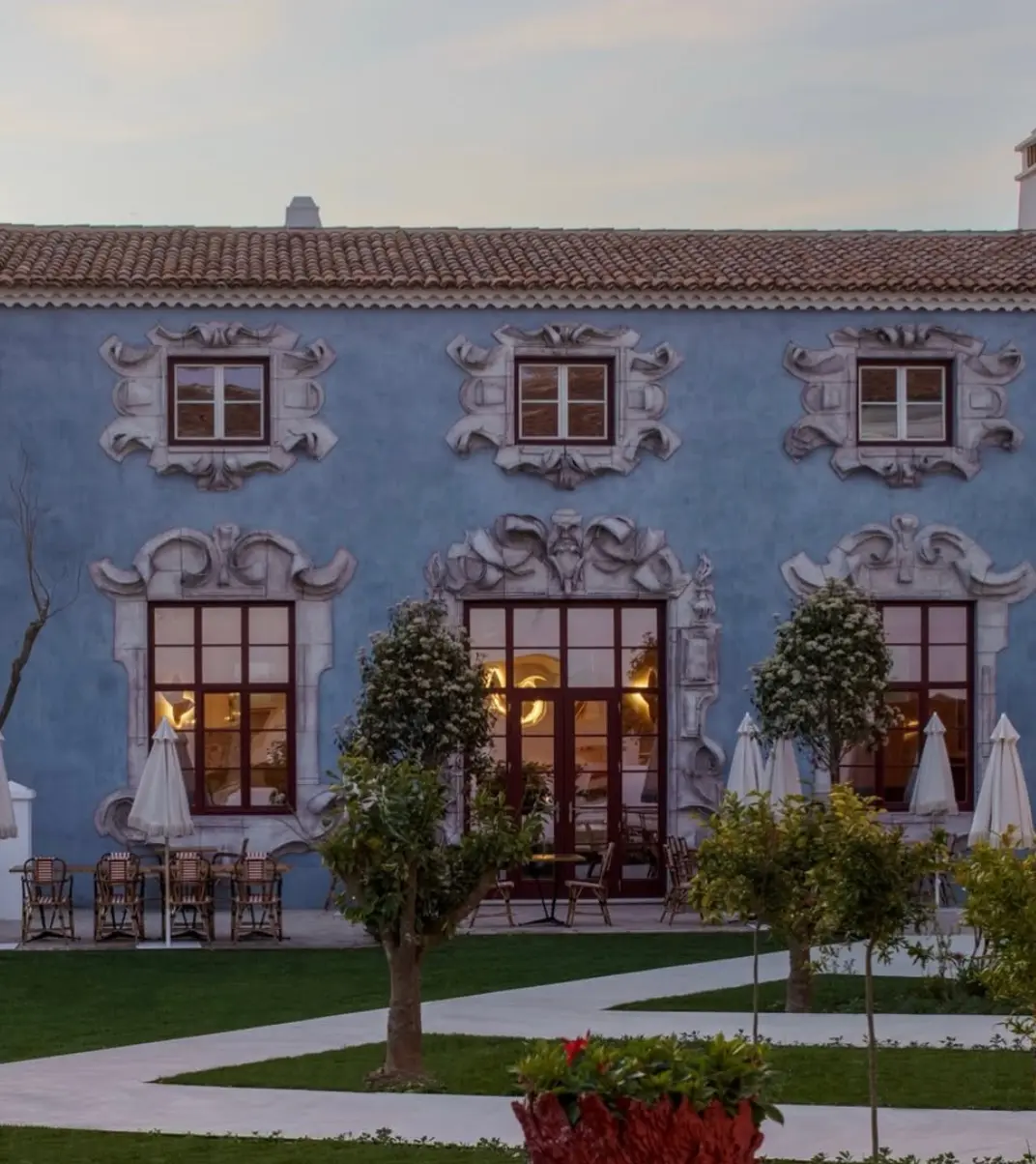
Twenty minutes south, the village of Melides has become the quieter, more knowing sibling of Comporta — and it has Vermelho. Christian Louboutin’s first hotel is thirteen rooms in the village he first encountered after injuring himself nearby — he was passing through Melides on the way to a hospital, fell in love with the place, and eventually built something here. The result is precisely what you’d expect from someone with his eye: red tiles, hand-painted frescoes, rooms individually designed with locally sourced furniture, art, and ceramics — each one chosen to reflect Louboutin’s personal aesthetic. The restaurant, Xtian, serves Alentejo ingredients in handmade local tableware. Two Michelin Keys. One of the most interesting hotel interiors in Portugal. Book well ahead.